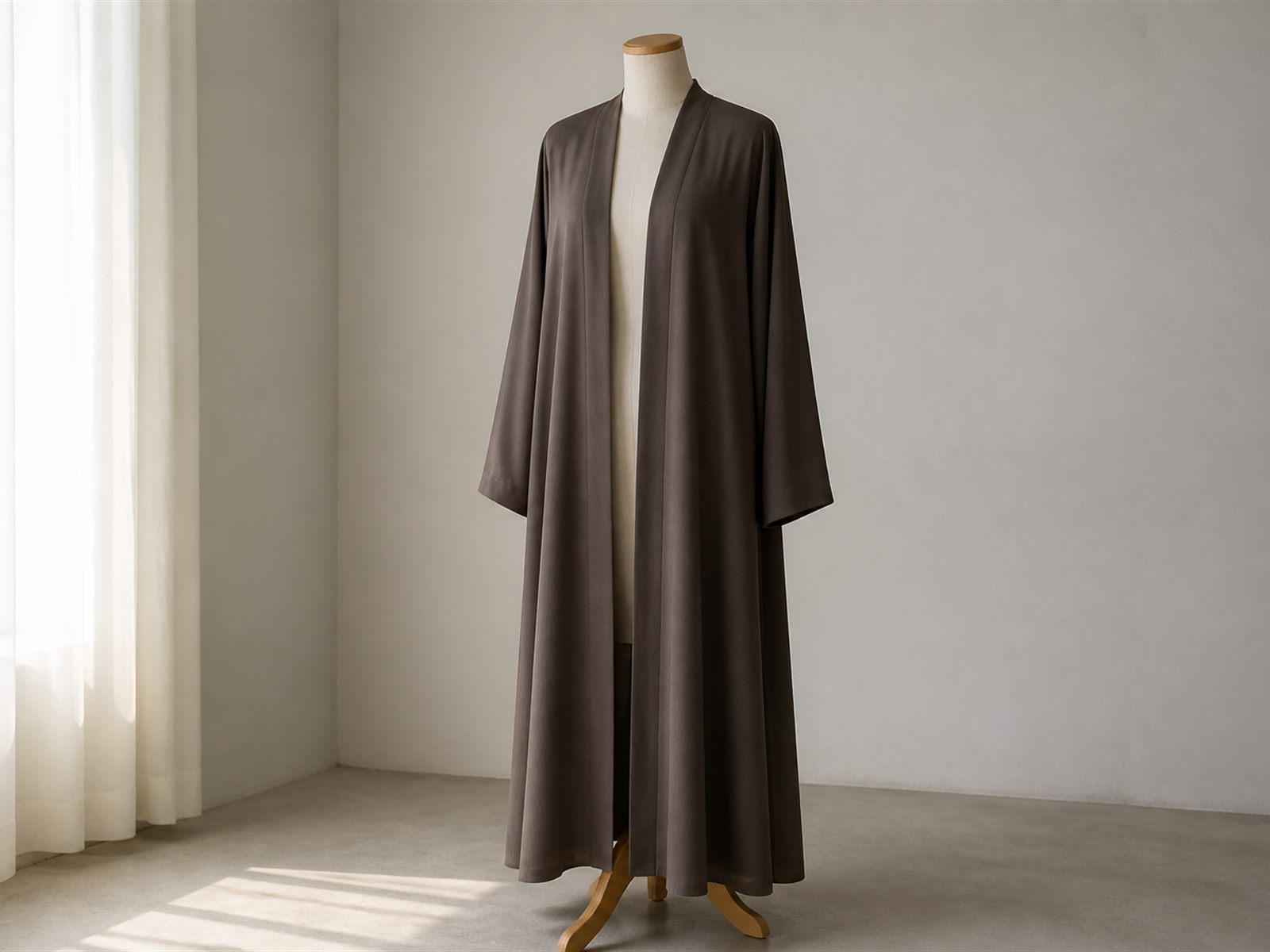
Wholesale & Private Label Modest Fashion, Built for Boutiques, Brands & Distributors
One supply partner for abayas, hijabs, modest dresses, sets and prayer wear — with flexible order quantities, custom branding and OEM/ODM support.
Sourcing modelWholesale · Small batch · Private label · OEM / ODM
Buyers we serveBoutiques · Brands · Wholesalers · Distributors
Product scopeAbaya · Hijab · Modest dresses · Sets · Prayer wear
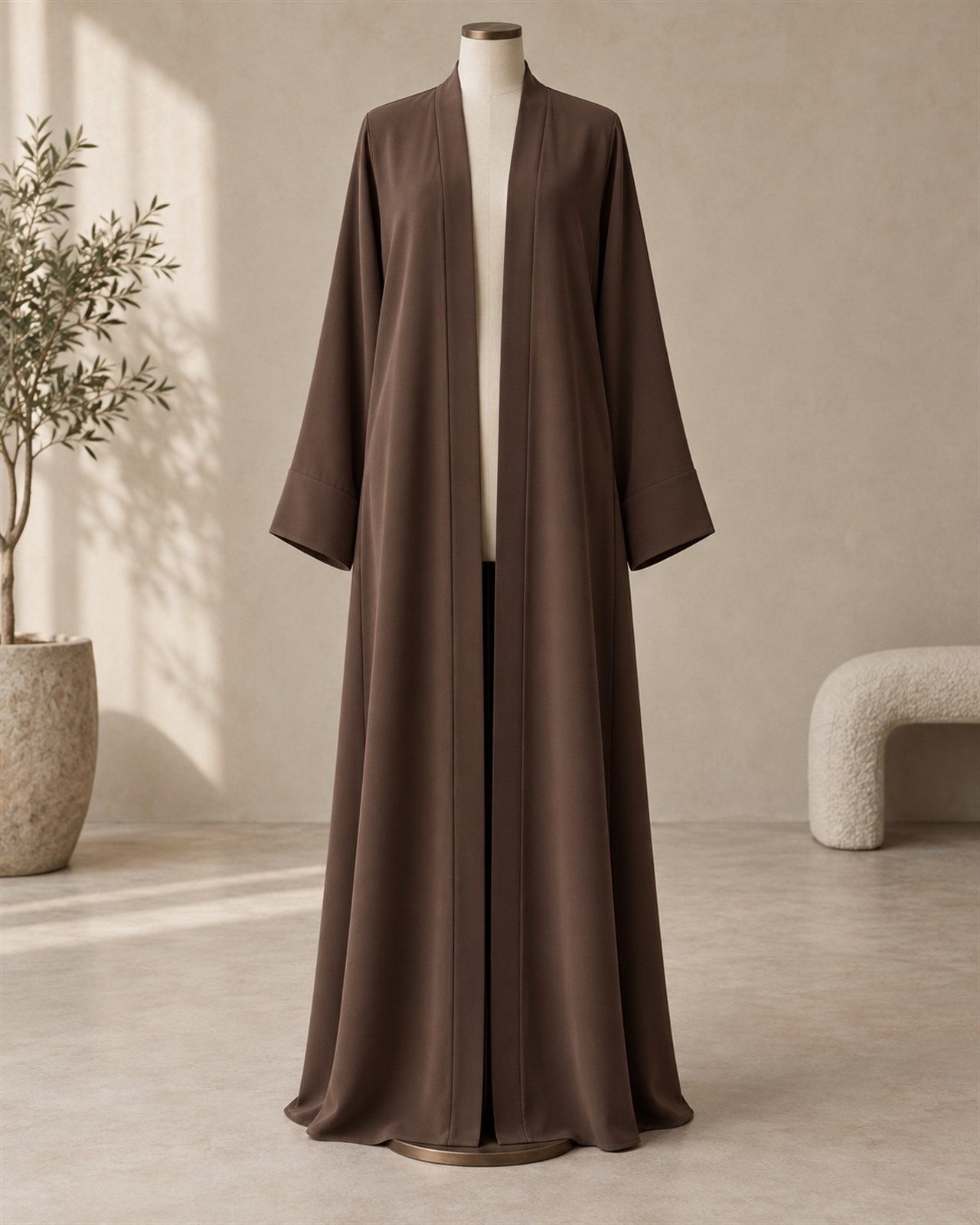
Where to start
Shop by business need
Different buyers need different things from a supplier. Pick the path that matches your situation — each one leads to a page written for that buying job.
01020304
Start a boutique
Test styles in small quantities before you commit to a full collection. Start with a mixed order across categories.
Private label your brand
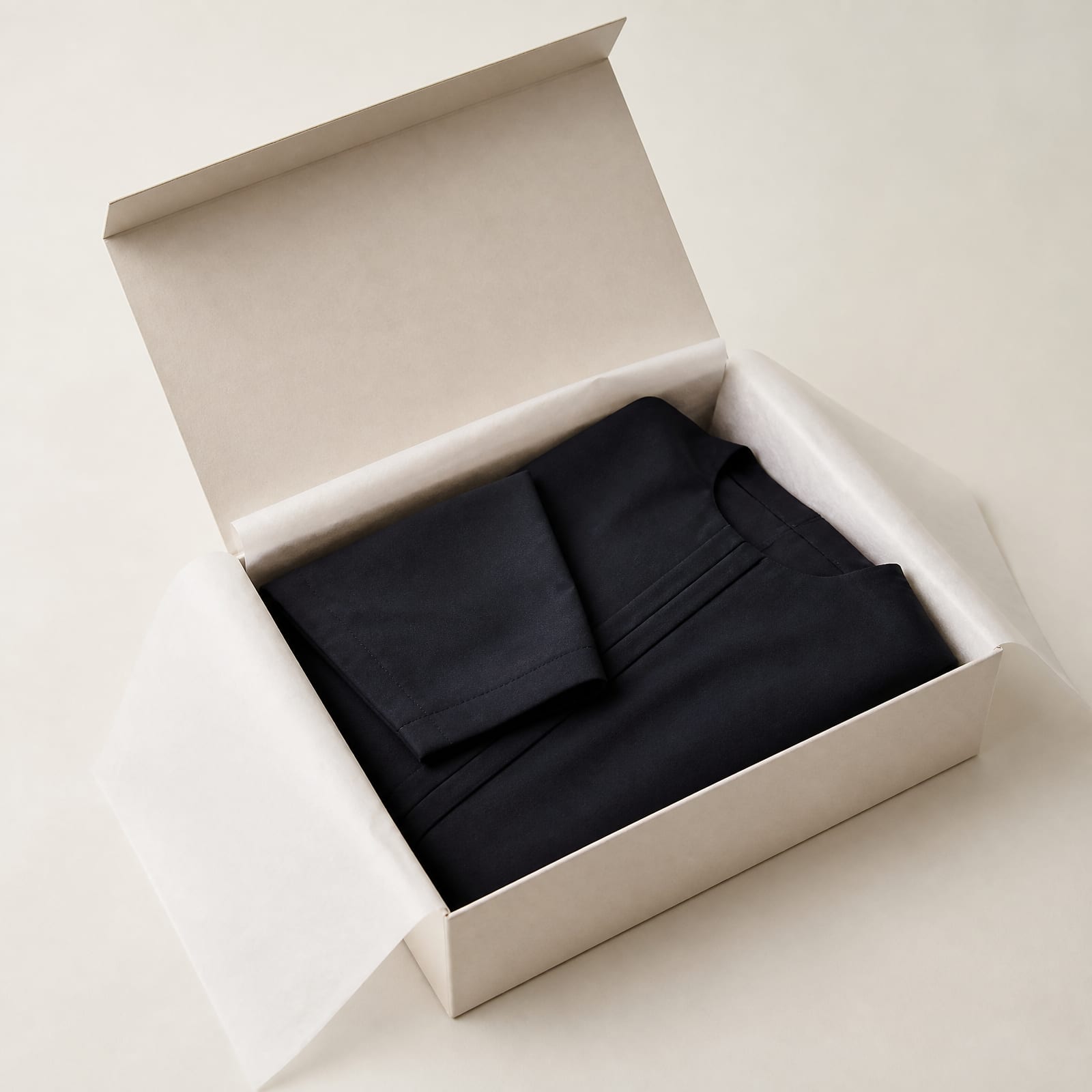
Woven labels, hang tags, care labels, packaging and custom measurement — the elements that make the garment yours.
Customize your design
Send a sketch, a reference photo or a tech pack. Embroidery, beading and rhinestone work, developed from sample to bulk.
Buy in bulk
Multi-style, multi-category orders with one packing list, one quality standard and one shipping plan.
Product scope
Core product categories
One supply partner across the modest fashion categories your customers ask for most.
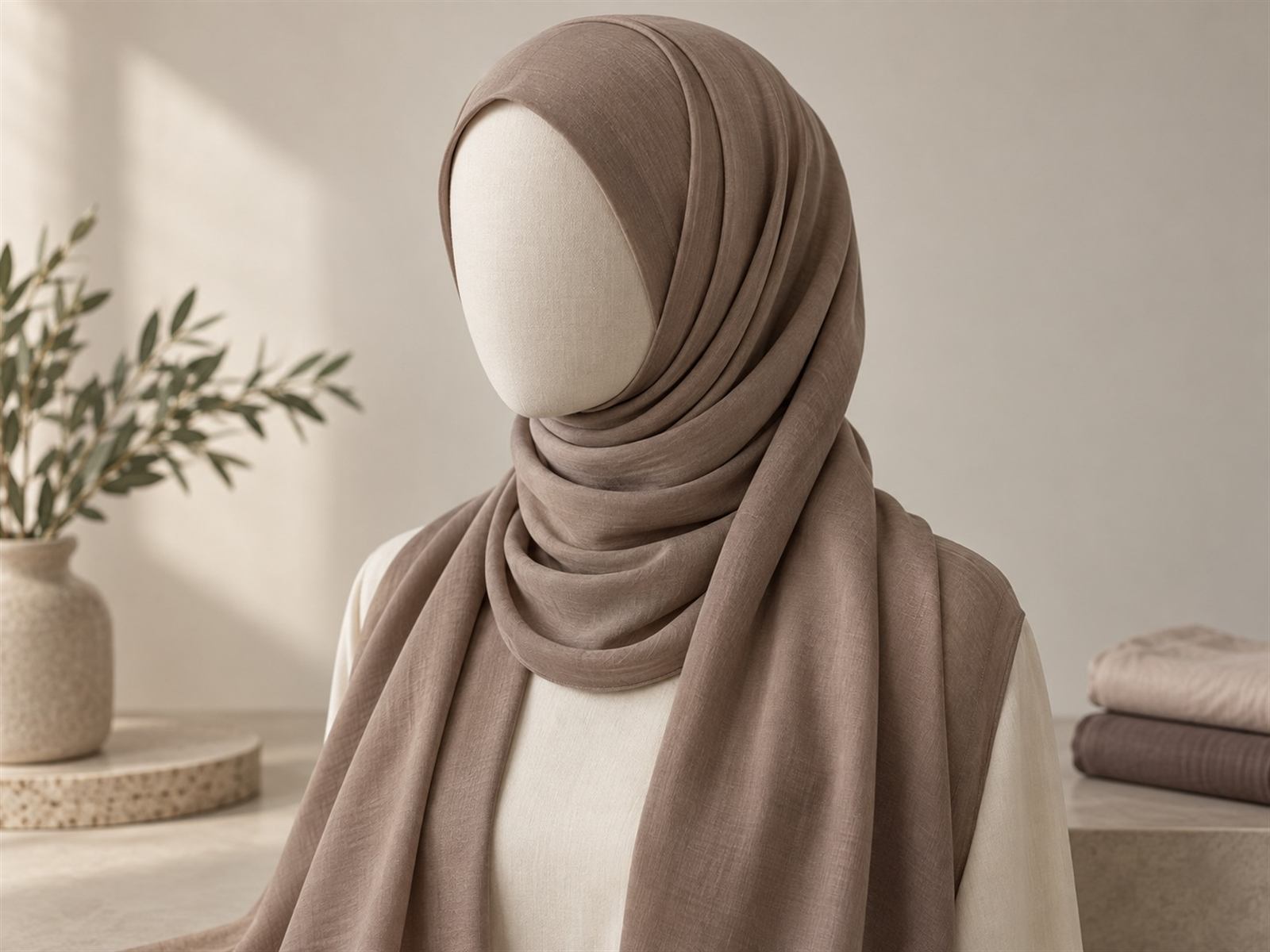
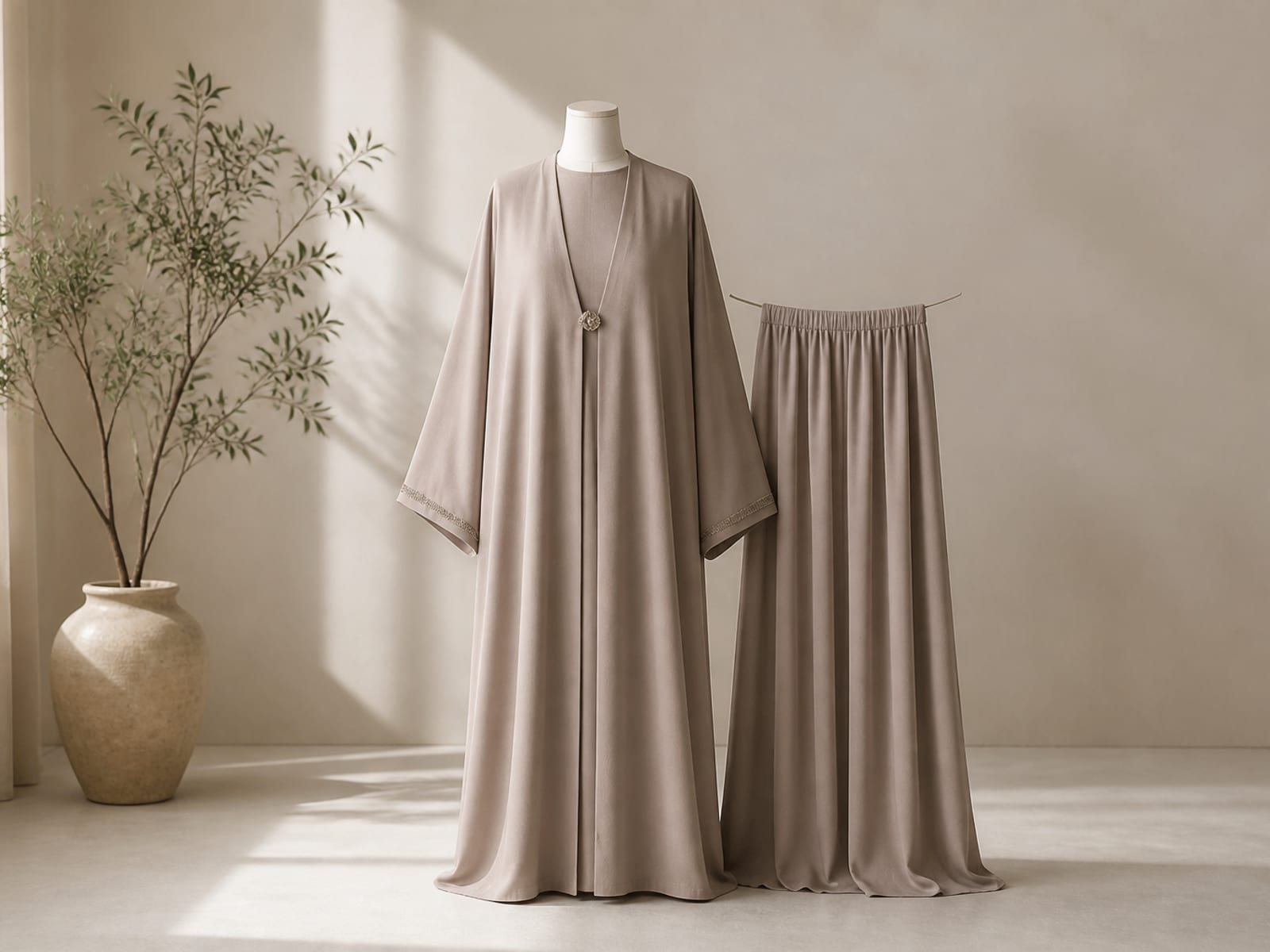
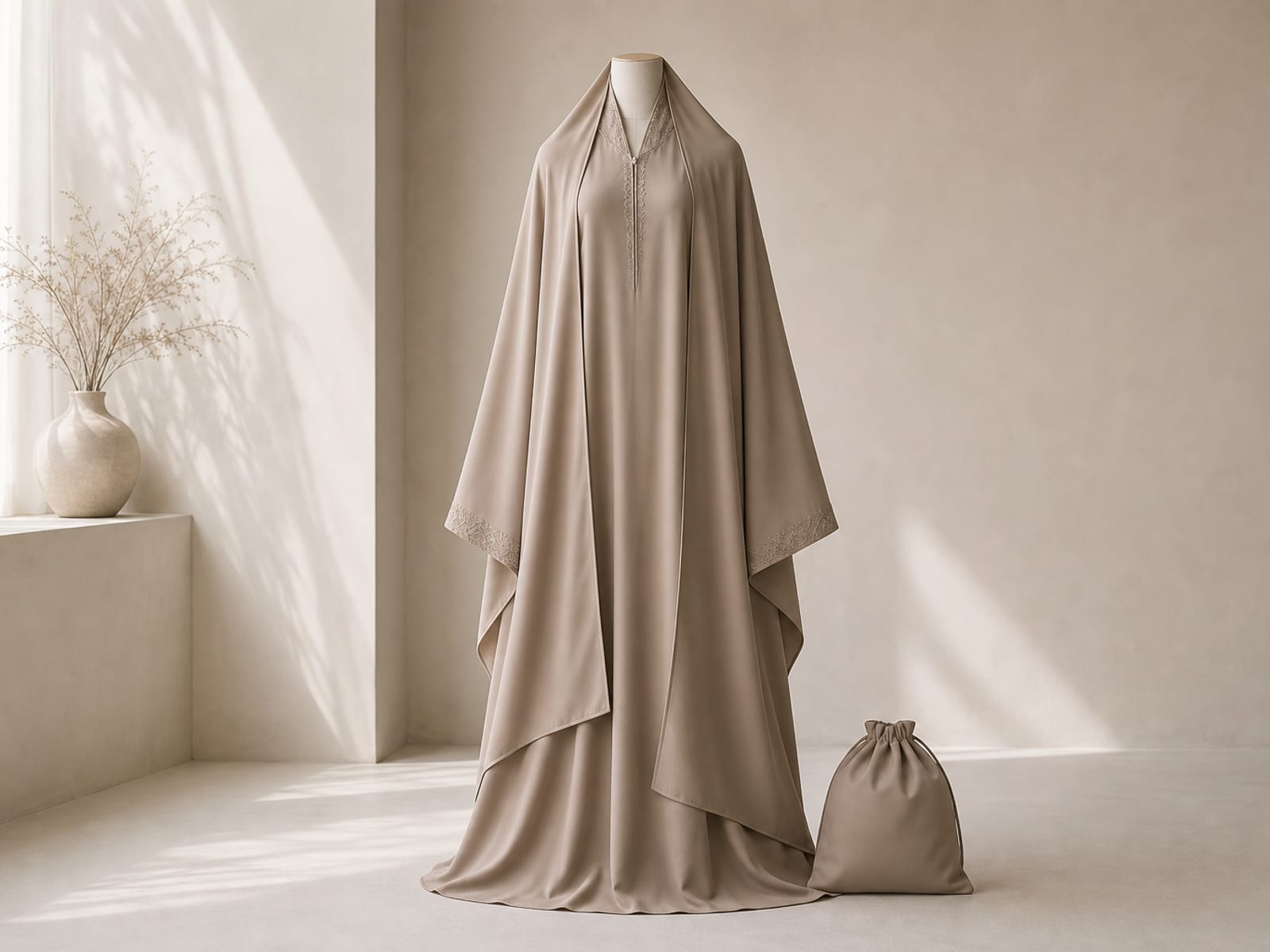
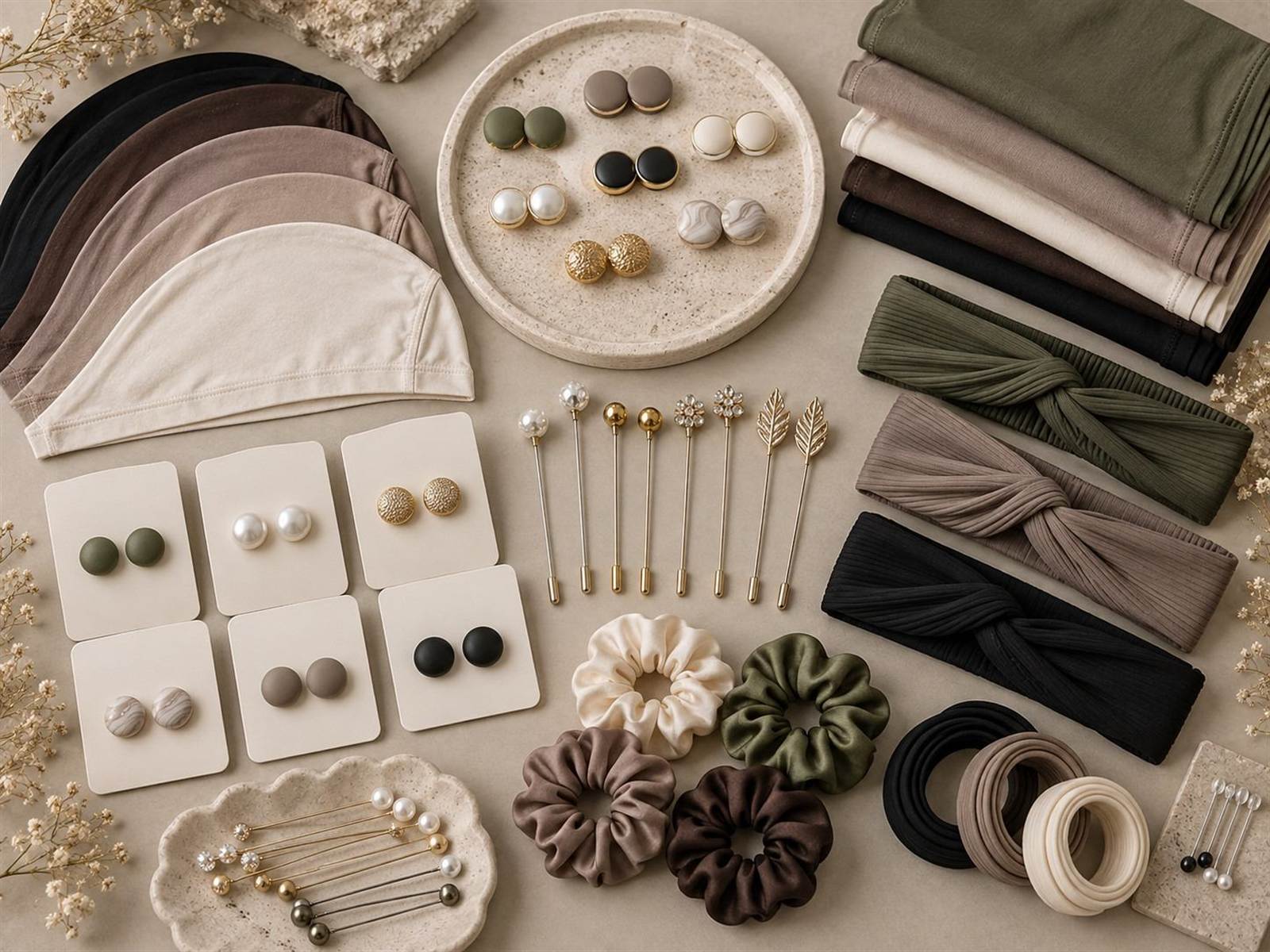
Product Highlights
View all ?Lookbook
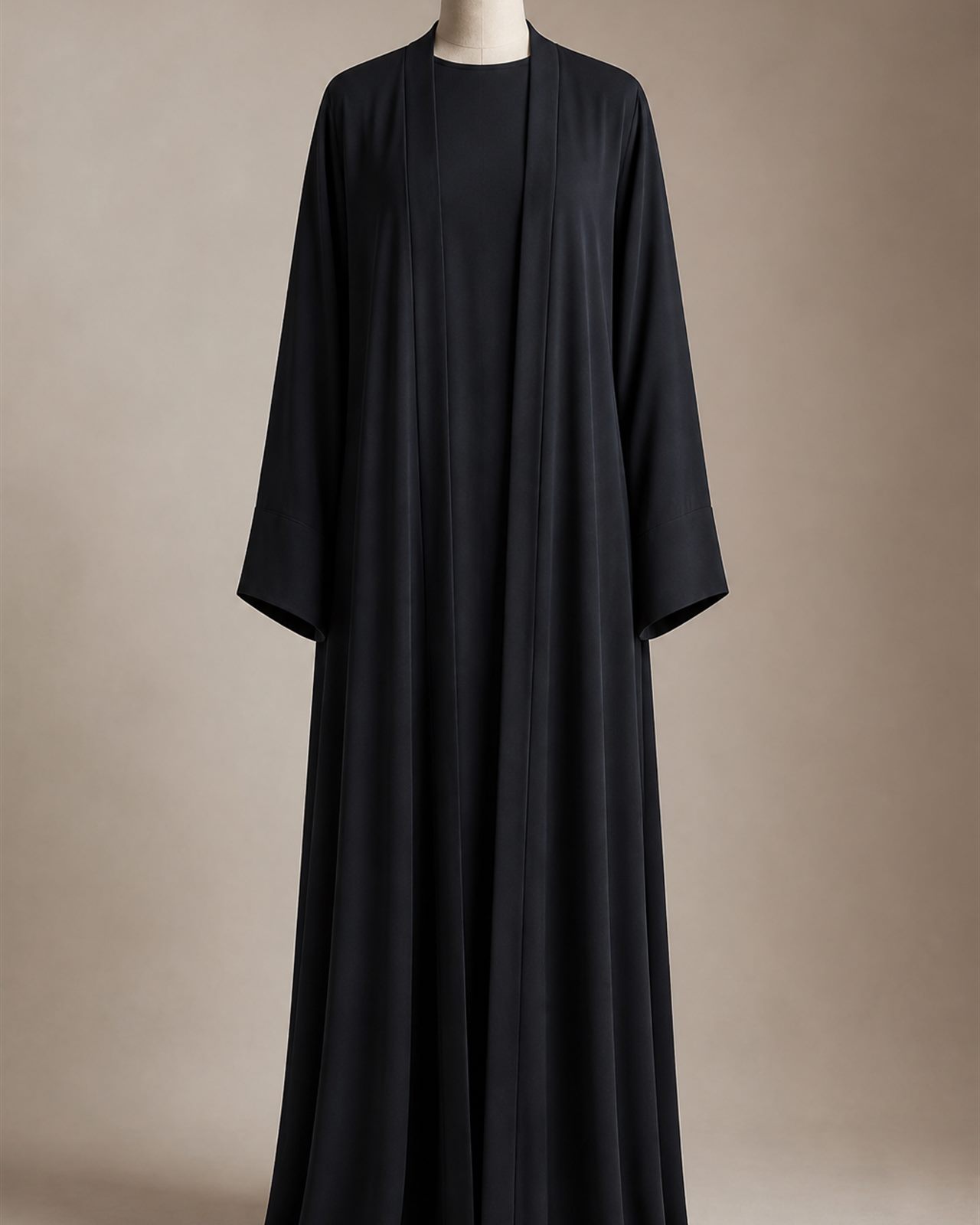
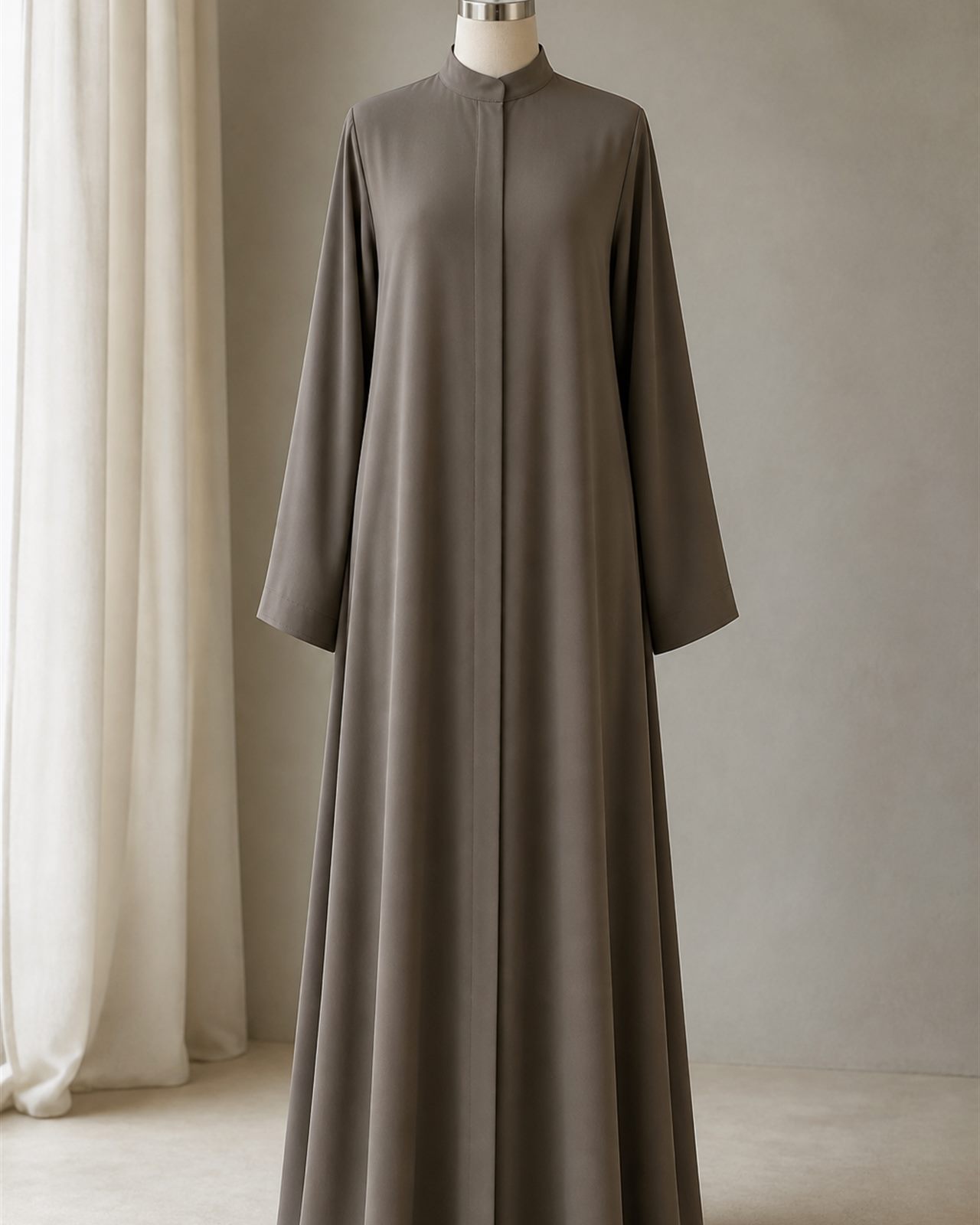
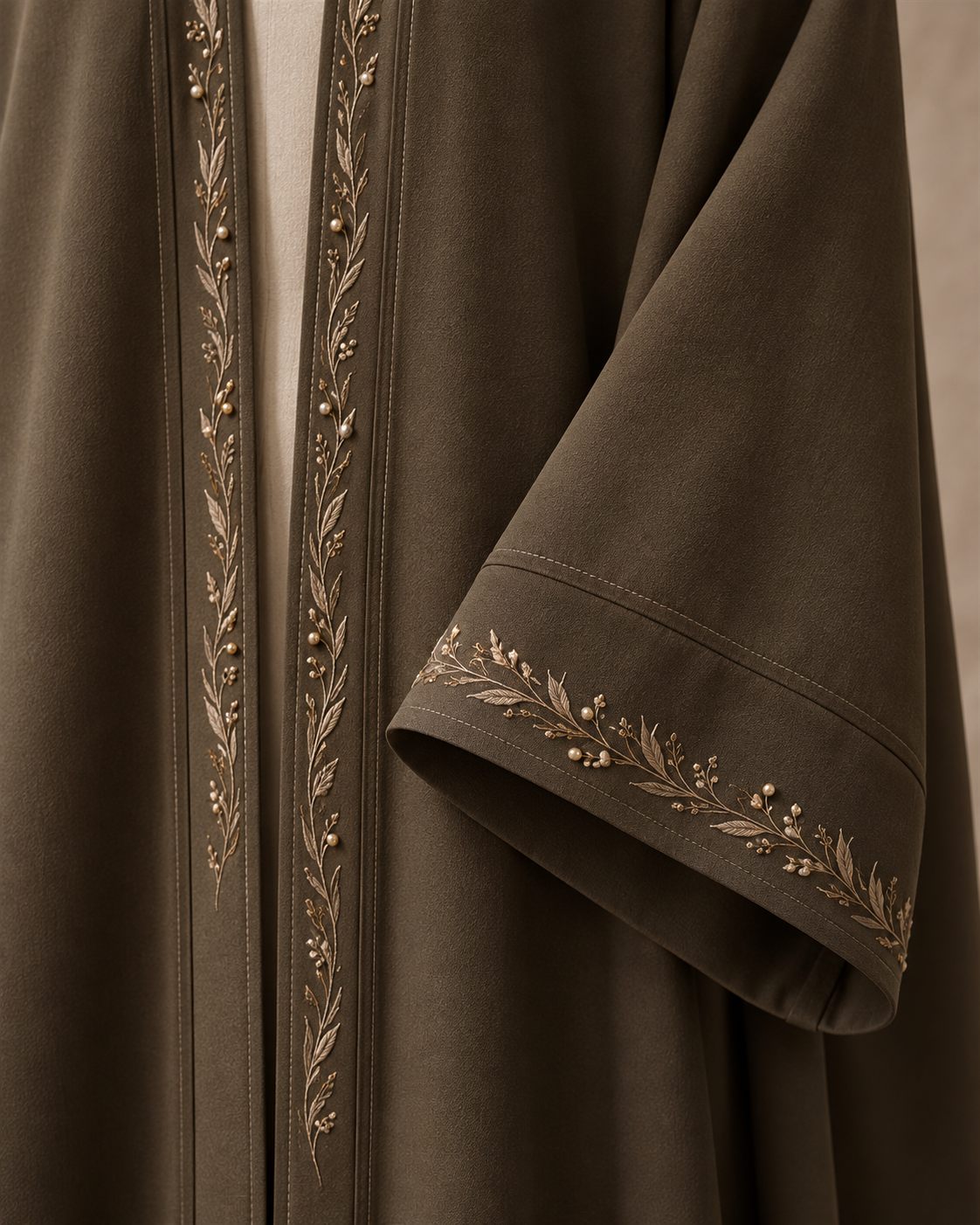
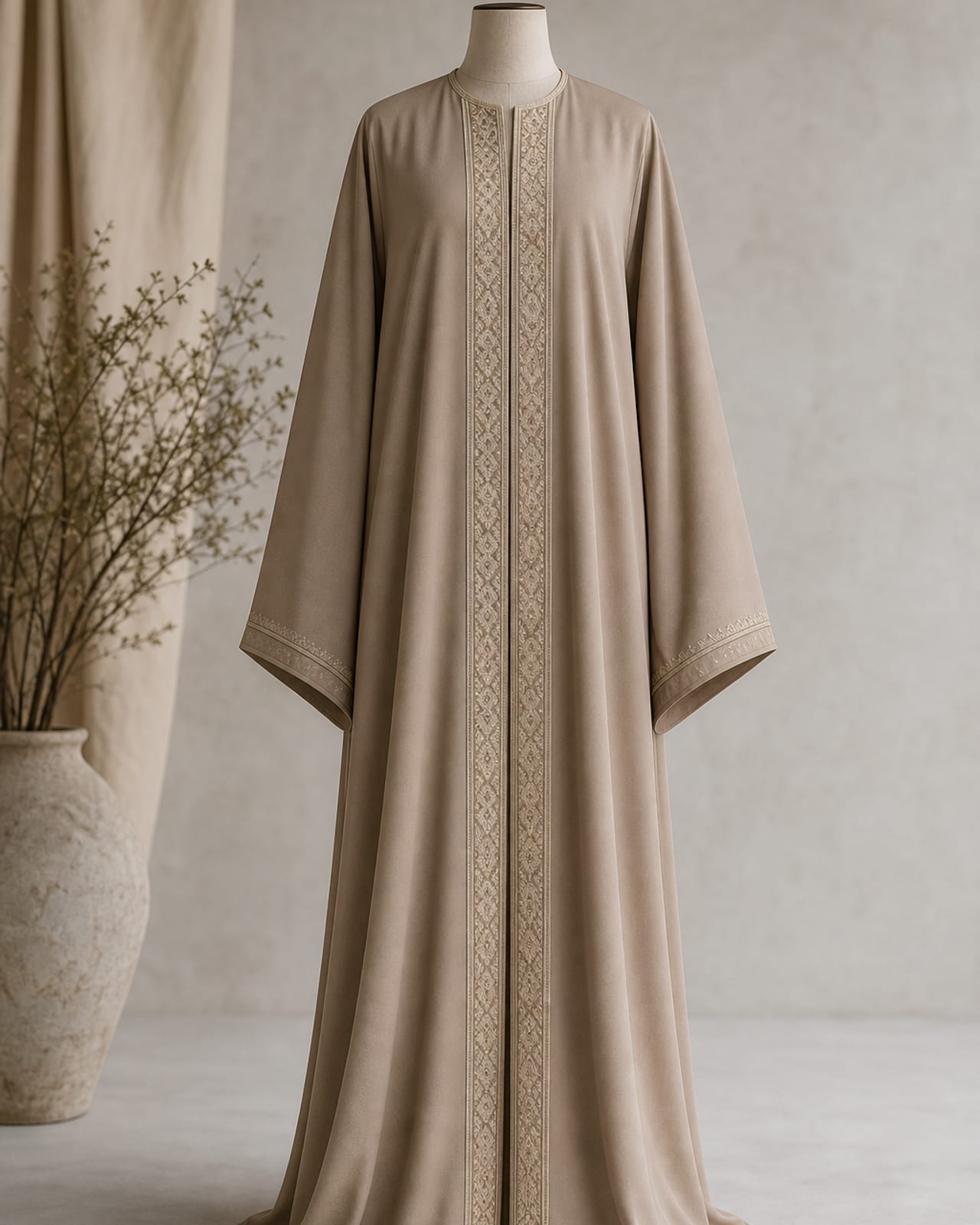
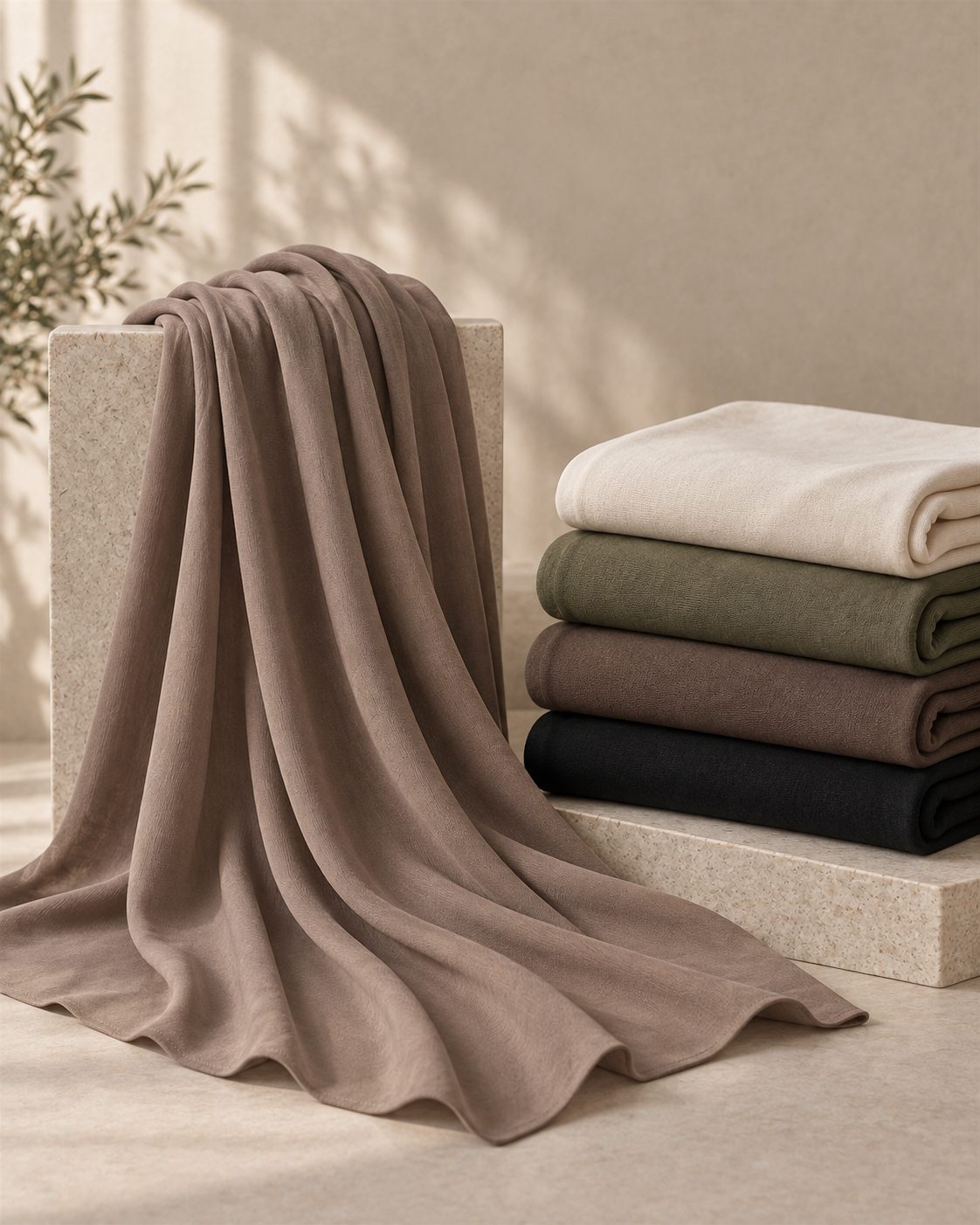
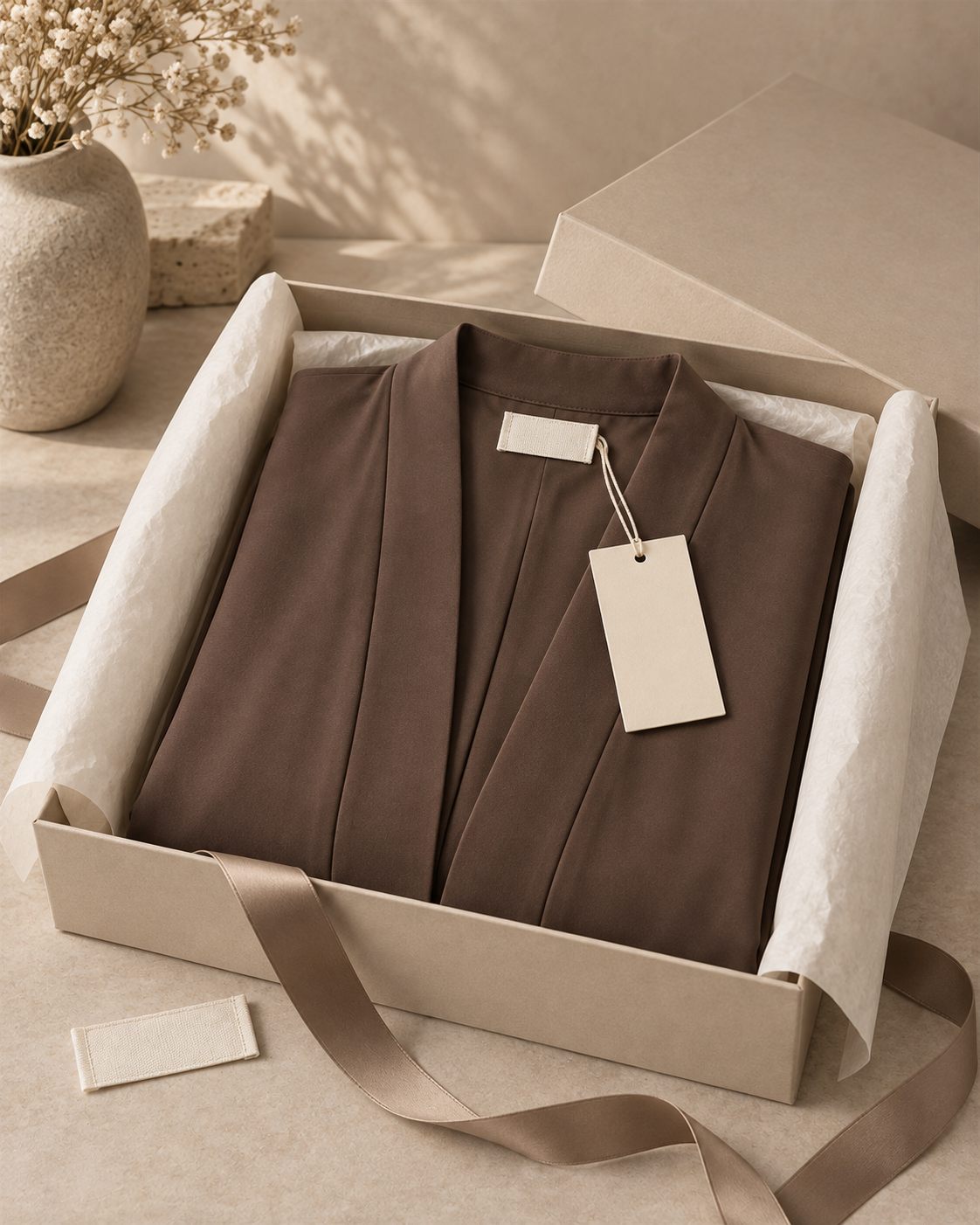
Sourcing model
Why buyers choose this sourcing model
Not claims about being the best — the four practical problems this way of sourcing solves.
Testing a new style?
Start with smaller quantities before scaling. You find out whether the cut sells before you commit to a full production run.
Building your own brand?
Add custom labels, hang tags and packaging so the garment arrives as your product, not as an unbranded import.
Selling into different markets?
Adjust fabric, sizing, colors and styles for each market instead of forcing one specification on every customer.
Buying multiple categories?
Source abayas, hijabs and matching accessories together, so one order arrives with one packing list.
Private label: what you can control
Private label is a sourcing decision before it is a decoration decision. What you specify here determines what your customer receives, what your returns rate looks like, and what you can legally claim on the label.
- Woven label, printed label and care label
- Hang tag and header card
- Poly bag, printed poly bag and retail packaging
- Custom color, custom fabric selection and custom measurement
- Embroidery, beading and rhinestone application
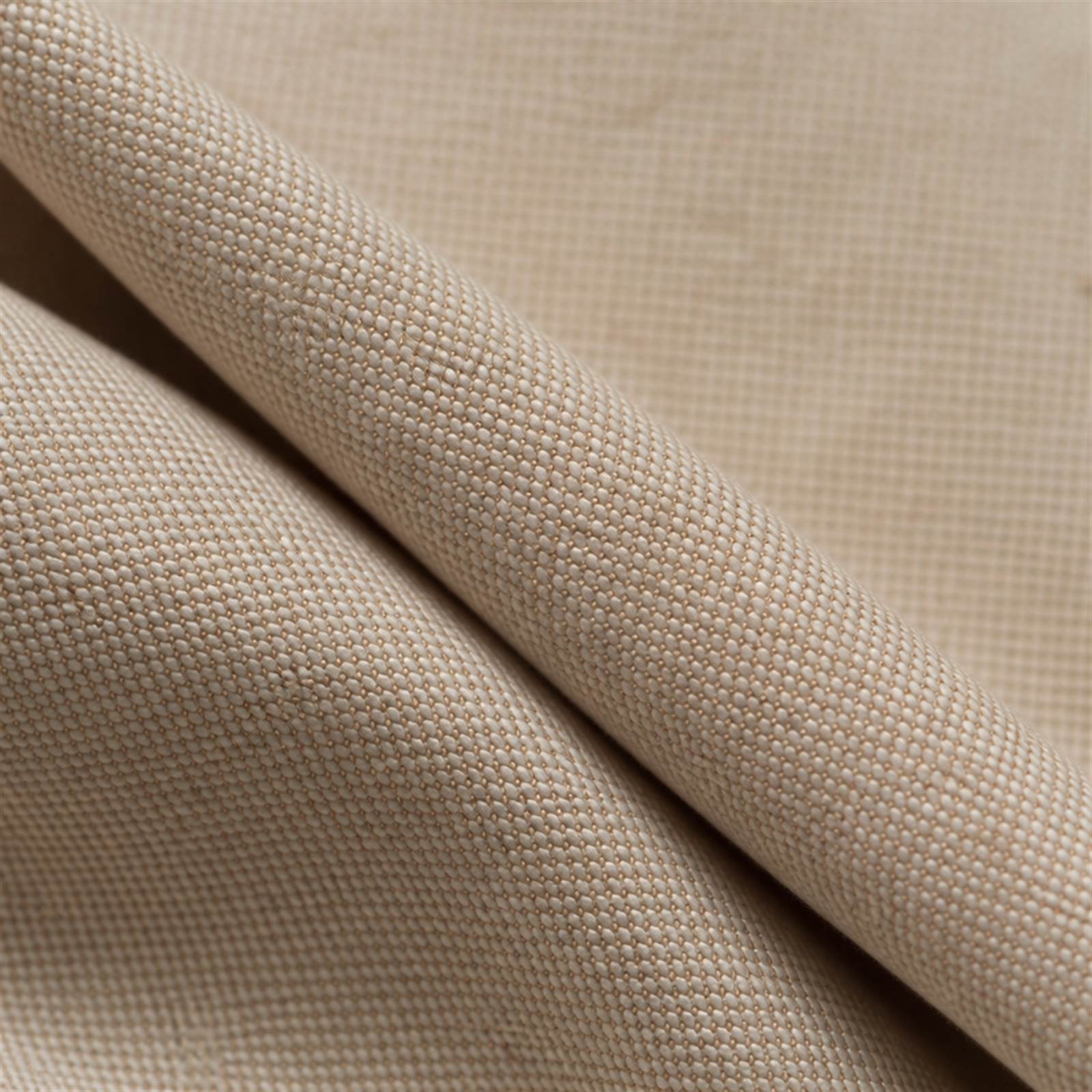
Fabric library: choose the material first
Fabric decides drape, opacity, breathability, wrinkles, weight and price. Buyers who choose the style first usually end up changing the fabric later — which resets sampling.
- Nida — the standard abaya fabric: matte, opaque, fluid, minimal care
- Crepe — structured drape, good for formal and everyday abayas
- Chiffon — light and layered, needs lining for coverage
- Modal — soft hijab fabric that holds shape without slipping
- Jersey — stretch, everyday comfort, minimal ironing
- Cotton voile — breathable, the traditional tudung bawal fabric
- Viscose, linen blend and satin — for premium and hot-climate ranges
Size and fit: garment measurements, not just letters
S, M, L and XL do not mean the same thing in every market. Buyers who order by letter size are the buyers who receive a shipment that fits nobody.
- Abaya length numbers: how length is measured and what it means for height
- Bust, waist, hip, sleeve, shoulder and garment length — measured on the garment
- Petite, tall and plus size runs, and how to build a size run for a boutique
- Custom sizing with buyer-supplied measurements
From idea to bulk order
Ten steps, in the order they actually happen. Skipping sample approval is the most expensive way to save a week.
01
Tell us your market: where the goods will be sold, at what price level, to which customer.
02
Select a product or send your design: sketch, reference photo or tech pack.
03
Choose fabric: Nida, crepe, chiffon, modal, jersey, cotton voile or your own specification.
04
Confirm sizing: garment measurements or a size run, market by market.
05
Sample development: pattern, fit and finish on the agreed fabric.
06
Sample approval: you check measurements, color, stitching and decoration before bulk starts.
07
Bulk production: cutting, stitching and decoration to the approved sample.
08
Quality control: inspection at the stages where defects actually appear.
09
Packaging: poly bag, hang tag or retail packing to your instruction.
10
Shipping: consolidation, packing list and documents for your destination.
Quality control: the defects buyers actually complain about
Quality is not a slogan on a landing page. It is a list of specific problems and the check that catches each one before the goods leave.
- Loose threads — checked at the finishing stage, not after packing
- Incorrect sizing — garment measurements checked against the approved sample
- Poor buttons and closures — pull-tested, not just counted
- Color difference — checked under controlled light against the approved swatch
- Fabric difference — checked against the sealed reference sample
- Embroidery and beading defects — checked before lining is closed
- Sample and bulk difference — the single most common dispute, and the one the approval step exists to prevent
Seasonal sourcing: plan backwards from the season
Seasonal collections require earlier sourcing and sampling. Ramadan, Eid and wedding demand move every year, and the search window closes before stock arrives if sampling starts late.
- Ramadan collections — the largest modest fashion season, and the one with the least tolerance for late arrival
- Eid collections — the gifting and occasion peak that follows
- Wedding and occasion — longer production, more decoration, earlier confirmation
- Summer modest wear — lighter fabric, looser cuts, hot-climate markets
- Winter modest wear — heavier drape, layering, different market mix
Private labelMaterialsFit
Put your own brand on the garment
Private label is a sourcing decision, not a decoration decision. These are the elements you can control.
Fabric library
Fabric decides drape, opacity, comfort and price. Start here before you choose a style.
Size & fit
S, M, L, XL do not mean the same thing in every market. These guides show how to build a size run that fits your customers.
Who we work with
Buyers we supply
If your business model is on this list, the pages below will answer most of your questions before you write to us.
Planning your next modest fashion collection?
Tell us these seven things and we can come back with a workable sourcing plan instead of a price list.