Seasonal Sourcing: Ramadan, Eid, Wedding, Summer and Winter Collections
Seasonal demand in modest fashion moves every year, and the buying window closes earlier than most buyers plan for. This page explains what changes season by season and how to sequence a collection so it lands when it can still sell.
Seasonal collections require earlier sourcing and sampling
We do not publish fixed seasonal cut-off dates or guaranteed lead times. Lead time depends on design and order quantity, and it is confirmed for your order when the specification is agreed.
Seasonal collections require earlier sourcing and sampling. That single sentence is the reason this page exists. A dated collection has a hard deadline: the goods either arrive while the season is still buying, or they arrive as stock you carry until next year.
Ramadan, Eid and wedding demand also move through the calendar, so the planning window shifts from one year to the next. Sample first, confirm quantities second, and leave the shipping decision until the specification is locked — in that order, the timing becomes a plan instead of a hope.
Planning a season backwards
Seasonal planning works backwards from the date the goods must be on your shelf, not forwards from the day you place an enquiry. Work through the sequence below and the required start date becomes visible.
Fix the date the collection must be selling by, then work back to the date it must arrive with you.
Allow for inspection, packing and shipping from the point the goods are ready, not from the day you order.
Allow production time for the styles, decoration and quantities involved — this is where most seasonal plans fail.
Allow the sample stage: development, courier, your review and the changes you will want after seeing it.
Decide fabric and colour before sampling, because a change after sampling resets the whole sequence.
Confirm quantities and size ratios while the sample is in transit, so approval and order confirmation happen together.
Plan the repeat: whatever sells in the season will be asked for again, so record the specification now.
Ramadan collections
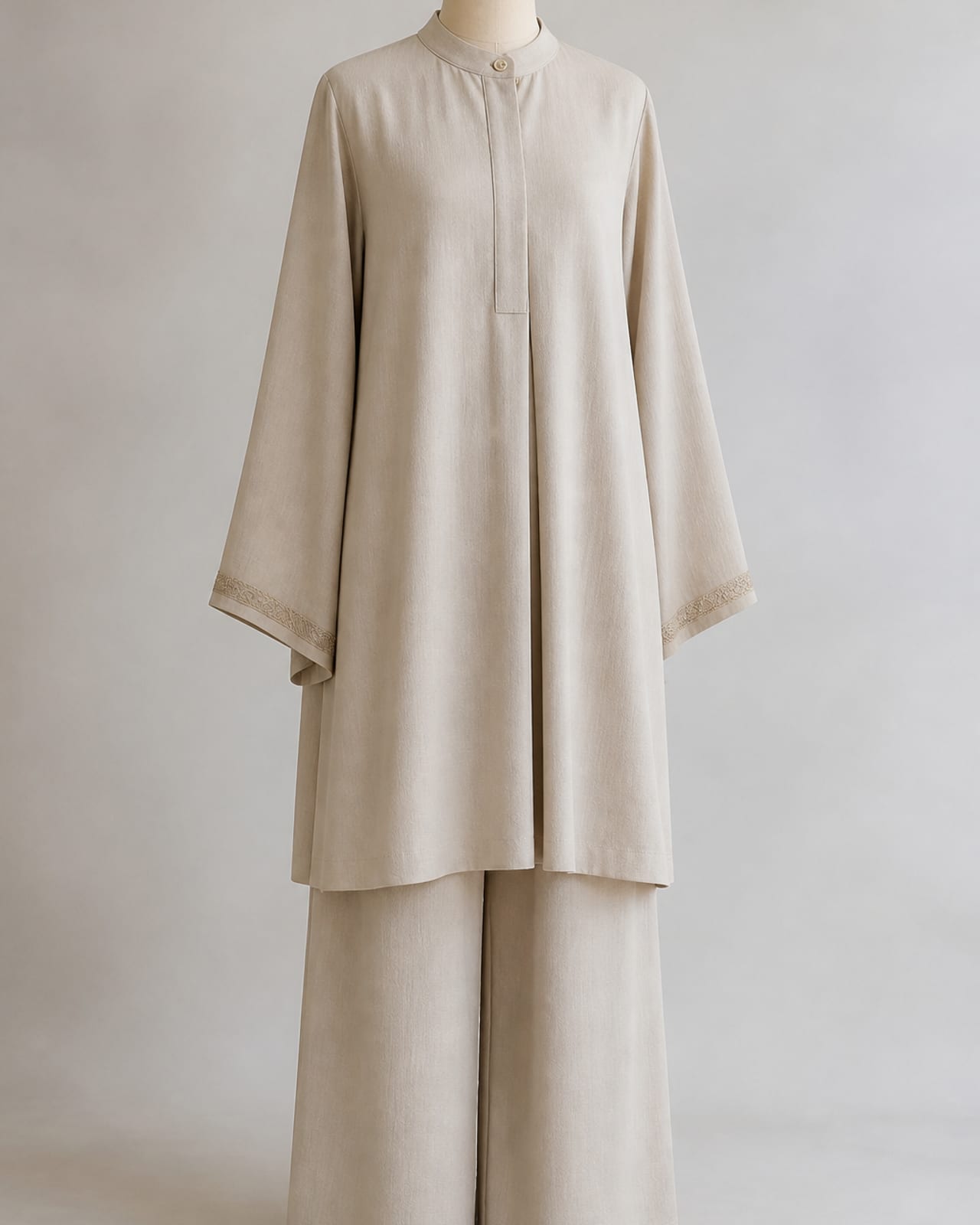
Ramadan is the largest modest fashion season and the one with the least tolerance for late arrival. Buying is concentrated, it happens on a fixed calendar, and unsold stock has to wait a full year. Two things matter most: the collection needs to read as a complete range rather than a single style, and it needs to arrive early enough to be presented before the season starts, not during it.
Typical direction: abaya and prayer wear, modest sets for hosting and family occasions, hijabs in coordinated colours, and gifting-oriented accessories. Decoration is usually richer than in everyday ranges, and packing often needs to look presentable on arrival. See Ramadan abaya wholesale and prayer dress wholesale.
- A coordinated range rather than one hero style
- Prayer wear and hosting sets added to the abaya line
- Hijab colours matched to the abaya palette
- Gift-ready packing for accessories and small items
- Sample approval completed well before the season opens
Eid collections
Eid demand follows Ramadan closely and behaves differently: it is a gifting and occasion peak, which means more decorated pieces, more coordinated family sets, and a shorter selling window at the top of the range. Buyers who order one collection for both seasons usually find that Eid needs the more statement-driven end of it.
- Occasion-led styles with visible decoration
- Coordinated pieces for families and groups
- Premium fabrics for the upper price band
- Gift packing, cards and presentation details
- Read Eid abaya wholesale for category detail
Wedding and occasion
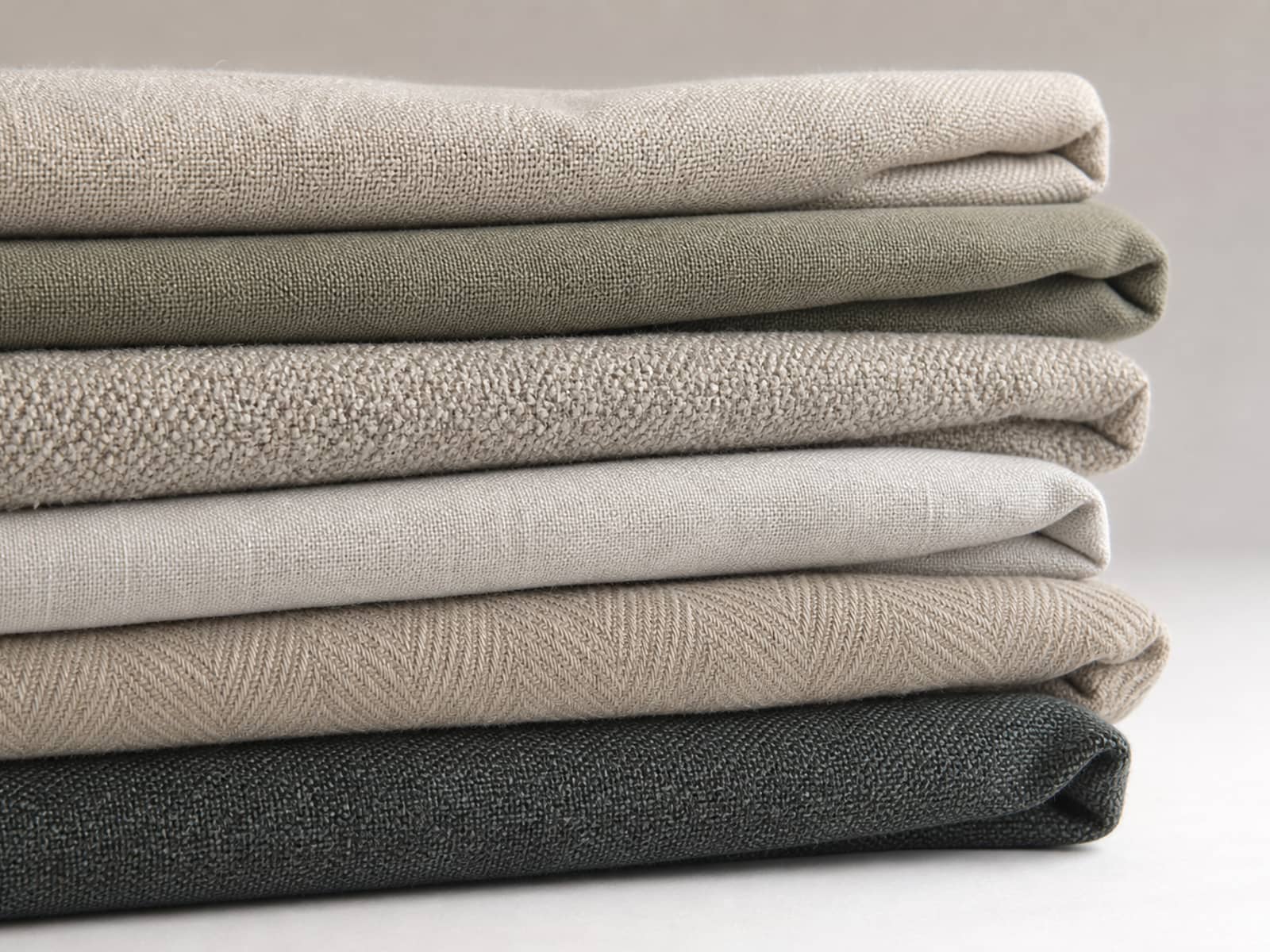
Wedding and occasion wear is the slowest development and the least forgiving of shortcuts, because decoration is doing the visual work. It also has the longest sampling cycle: embroidery, beading and rhinestone all need to be seen on the garment before the design is settled.
If a wedding or occasion collection is in your plan, treat sampling as the first task rather than the last. Details on decoration development are on the customization page.
- Decoration approved in place on the garment, not as a swatch
- Premium fabric selected before decoration is planned
- Lining and backing confirmed for comfort and to protect the decoration
- Quantities kept realistic, because occasion wear is style-specific
- Packing and presentation agreed early, since these pieces are often gifted
Summer modest wear
Summer sourcing is about heat, modesty and care instructions. Opacity and breathability come first, and a fabric that is too heavy or too sheer simply does not sell, whatever the decoration level. Lighter drape and looser cuts are common, and the colour range usually shifts lighter.
The fabric library explains how each material behaves in hot climates, including opacity and breathability, which are the two properties buyers ask about most.
- Breathable, opaque fabric selected first, decoration second
- Loose cuts and lighter construction
- Lighter colour palette
- Care and ironing behaviour explained on the label your customer sees
- Layering pieces, including lined light fabrics where opacity needs it
Winter modest wear
Winter ranges change the material mix rather than the silhouette. Heavier drape, layered constructions and coordinated outer pieces matter more, and in cold markets the same style often needs a warmer fabric option and a longer sleeve or a closed front.
Winter is also where market differences show most clearly: a style that sells as an everyday piece in one country is a layering piece in another. See modest clothing wholesale for how a range is built across markets.
- Heavier, denser fabric for drape and warmth
- Layering pieces and coordinated outerwear
- Deeper colour range
- Longer sleeves and closed-front options
- Sizing planned for layered wearing
What changes between seasons
Each season shifts a different part of the specification. Knowing which parts move helps you plan the sampling work you actually need.
| Element | How it changes | What needs to be re-sampled |
|---|---|---|
| Fabric | Weight, drape and opacity shift with the climate the range is sold into | Any style where the fabric change alters drape or needs lining |
| Colour | Palette moves with the season and with the market | A physical shade standard is approved per colour; no re-sample if the style does not change |
| Decoration | Increases for Eid and wedding, reduces for summer and everyday lines | Decoration re-sampled whenever placement, density or technique changes |
| Sizing | Layering, length preference and market expectations shift the size run | Re-graded or re-measured if the size run changes |
| Packaging | Gift and presentation packing rises for Eid and wedding seasons | A branding-complete sample if labels, tags or packing change |
| Quantity | Concentrated into a shorter selling window | No sample change, but confirm timing against the season date |
Carrying a style from one season to the next
The most economical seasonal collection is partly a repeat. Styles that sold last season can be carried forward in a new colour or a lighter fabric, which removes the development work and keeps the fit your customers already know.
- Keep the approved sample and the written specification from every season
- Carry forward core styles and change colour, fabric weight or decoration
- Re-develop only where the construction genuinely changes
- Plan the carry-forward before the new development, since it is confirmed faster
- See wholesale for how repeat orders are locked to a recorded specification
Tell us your season and market
Seasonal sourcing starts with a date and a market. Send both, plus your style direction, and the specification and timing can be discussed against your real deadline rather than against a general rule.
- The season and the market it sells in
- The date the collection must be selling by
- Styles, quantity estimates and size range
- Fabric direction and decoration level
- Branding and packaging requirements
- Destination and shipping preference
Frequently asked questions
Work backwards from the date the collection must be selling by, and allow for sampling, your own approval, production, inspection and shipping. Seasonal collections require earlier sourcing and sampling, and the calendar moves each year, so start the conversation with your date and we will plan the sequence against it.
No supplier should guarantee a date without knowing the specification, the quantity and the destination. Lead time depends on design and order quantity, so timing is confirmed for your order once the specification is agreed, and it is planned against your season date from the start.
Only where something changes. A new colour on an existing style with the same fabric usually does not need a new sample, but a new fabric, a new decoration or a new size run does. Carrying a style forward from last season is the fastest route.
Yes. Printed bags, boxes, cards and presentation packing can be produced for the order, and they are quoted with it because printed packaging is made specifically for your order. See the [private label page](/private-label/) for the branding elements available.
Yes, and it is a sensible way to sell a season in a new market. A smaller start on fewer styles tells you what sells before you commit to a full seasonal range. Contact us for current MOQ on the styles you are considering.
Breathability and opacity come first. Cotton voile, modal, jersey and lighter crepe are used widely in hot-climate ranges, and chiffon needs lining where coverage matters. The [fabric library](/fabrics/) sets out feel, drape, opacity and typical use for each material.
Planning your next modest fashion collection?
Tell us these seven things and we can come back with a workable sourcing plan instead of a price list.