Quality Control: The Defects Buyers Actually Complain About, and How They Are Caught
Quality is not a sentence on a landing page. It is a list of specific problems, the checkpoint that catches each one, and the standard it is judged against. This page is that list.
How to read this page
Every buyer has a list of defects that once cost them money. This page works through the seven most common complaints in modest wear production, explains how each one actually arises, and states where the check happens and what the garment is judged against.
Where a stage is not something we can honestly claim to perform for your order, it is described as an inspection method and an acceptance standard rather than as a factory department we do not have. That distinction matters: an inspection you can verify is worth more than a process diagram.
The checkpoints below work with the specification and sampling steps described on the customization page and with the order sequence on the wholesale page. Inspection catches problems; specification and sample approval prevent them.
- A defect list, not a promise
- The cause of each defect, so you can prevent it at specification stage
- The checkpoint where it is caught before the goods leave
- The acceptance reference it is measured against
- What to do when something still slips through
Loose threads and untrimmed finishing
Loose threads come from the finishing stage, not from the stitching stage. Thread ends are cut, but not every cut end is removed, and on dark fabric against a light backing a single hanging thread is enough for a customer to return the garment. It is worse on garments that have been trimmed quickly or have never been pressed before packing.
- Trimming checked on the whole garment, including inside seams, hems and the back of embroidery
- Interior checked as well as the outside, because the inside is what the wearer sees
- Embroidery and bead backing trimmed and inspected from both sides
- Check done after pressing, since pressing can reveal ends that were not visible before
- This is a final-inspection and packing-stage check, not a stitching-stage check
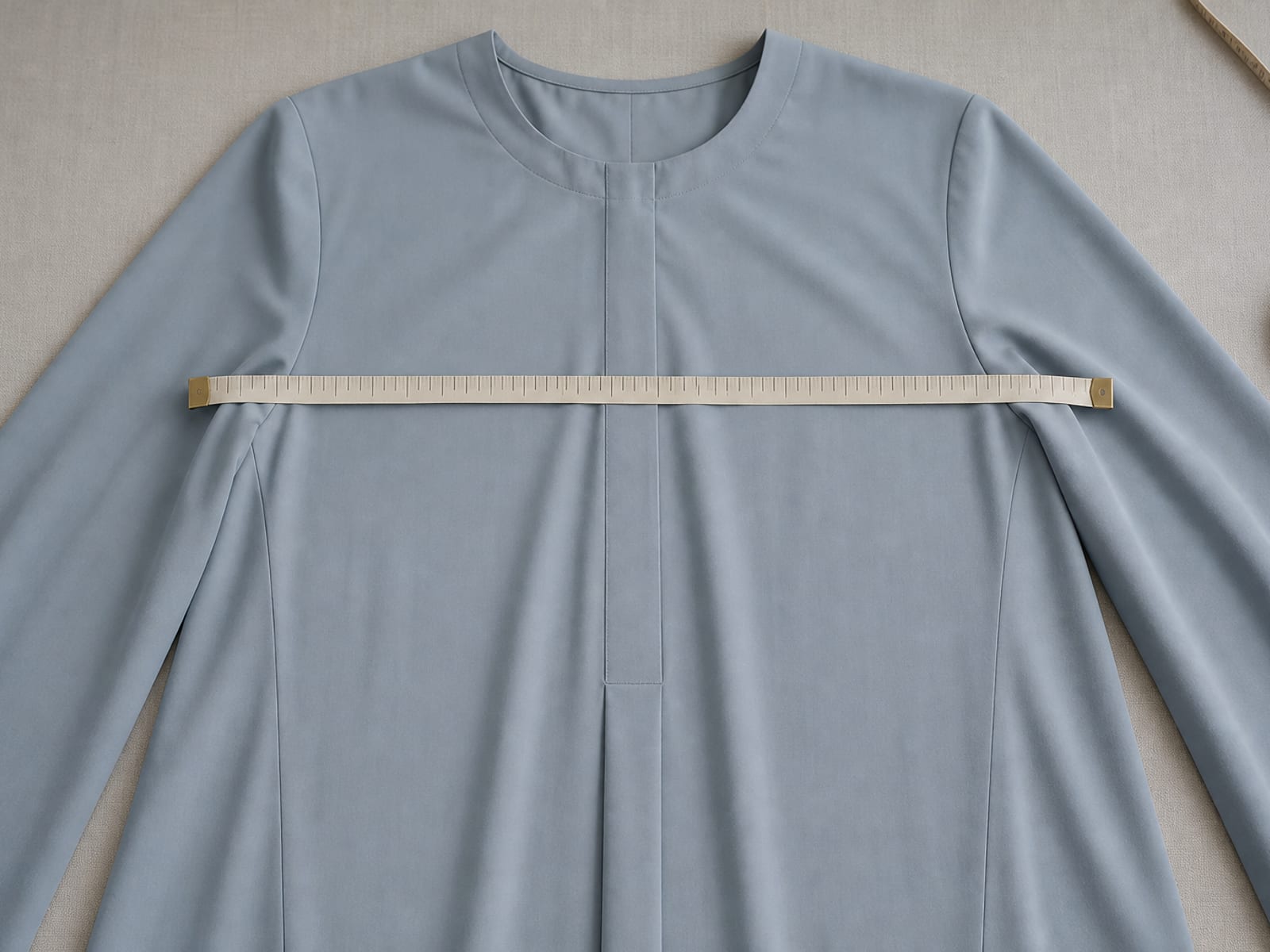
Incorrect sizing and measurement drift
Sizing goes wrong in three ways: the size chart was agreed only in letters, the graded measurements were never written down, or the fabric behaves differently from the sample fabric so the garment measures the same but fits differently. Bulk production also drifts within a run, which is why a tolerance has to be agreed rather than assumed.
- Garment measurements agreed in writing, with tolerances, before cutting starts
- Measurements taken flat and recorded per size, not estimated from the pattern
- Measurement check performed on the finished garment, not on cut panels
- First pieces of a run measured before the rest of the run is completed, so drift is corrected early
- Buyer's own size chart or existing sample used as the acceptance reference
Poor buttons and closures
Buttons and closures fail for reasons that are visible at inspection: a button sewn with too few passes, a snap set with the wrong die, a zip that catches, or a closure positioned a few millimetres off the line so the front pulls open. Small differences at the sample stage become visible faults across a whole run.
- Buttons checked by pull test on the finished garment, not by counting
- Sewing passes inspected for consistency across the run
- Snaps and zips opened and closed during inspection rather than checked visually
- Closure alignment checked when the garment is closed, because that is how it is worn
- Button type, size and thread matched against the approved sample
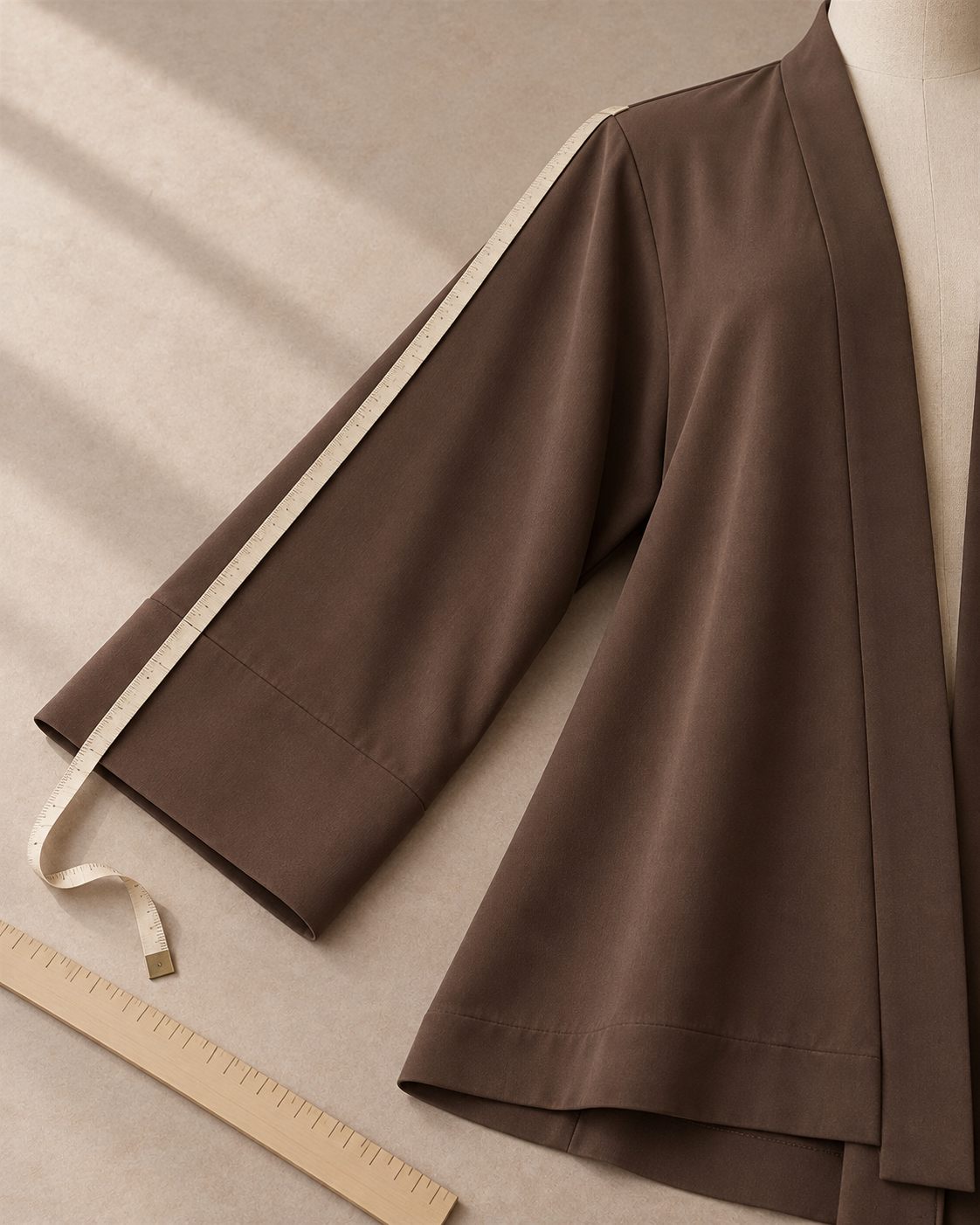
Color difference
Send a physical colour reference at the specification stage. Screen colours are not a colour standard.
Colour difference rarely means the wrong colour was used. It means the shade moved: between fabric lots, between dye batches, between the sample fabric and the bulk fabric, or between the garment and its matching accessory. It is also the defect most often disputed, because colour is judged under lighting, and buyers and suppliers rarely view it under the same light.
- A physical approved shade standard is kept and used, not a screen image or a digital file
- Comparison made under controlled lighting rather than daylight through a window
- Shade checked across panels of the same garment, not only between garments
- Matching sets and matching accessories checked against each other as a group
- Fabric lots kept together for one order where possible, so the run shares a lot
Fabric difference
Fabric difference is subtler than colour difference and more damaging. Weight, stretch, opacity and drape can all shift between lots. A hijab cut from a lighter lot slips differently; an abaya cut from a stiffer lot no longer falls the way the sample did. Buyers notice this even when they cannot name it.
- Sealed fabric reference kept from the sample and compared against the bulk fabric
- Hand-feel, drape and stretch compared physically, not from a specification sheet
- Opacity checked, since a change in opacity changes whether the garment needs lining
- Substitution raised with the buyer before production, never made silently
- Fabric composition and weight confirmed per order at the specification stage
Embroidery, rhinestone and beading defects
Decoration defects are the easiest to prevent and the most visible when they get through: missing stitches, thread breaks, puckering, colour mismatch in a thread shade, stones set at an inconsistent spacing, beads that shed, or a motif placed off-centre because the panel moved during assembly.
- Decoration inspected against the approved sample, in place on the garment
- Puckering and distortion checked on the finished panel, after lining is attached
- Thread shades compared against the approved thread reference
- Stone and bead grip checked by hand, not by eye alone
- Placement measured from the centre line and from the seam so symmetry is verifiable
- Decoration checked before lining is closed where the construction allows access
Sample and bulk difference
This is the most common dispute in garment sourcing, and nearly every case shares one cause: something that mattered was agreed but never written down. Fabric reference, shade standard, measurements, tolerance, decoration placement, label position and packing method all have to be recorded at approval.
The sample you approve is the working standard. If the bulk does not match it, that is a defined problem with a defined remedy — which is why the approved sample is held rather than returned to you and forgotten. See the private label page for how approval is recorded when branding is involved.
- Approved sample sealed and held as the reference for the whole order
- Specification written down at approval, including the points that are easy to overlook
- Bulk compared against the sealed sample, not against memory or photographs
- Any deviation identified before packing is raised with you for a decision
- Changes requested after approval are re-quoted and re-sampled where they affect construction, fabric or decoration
Inspection checkpoints: what is checked and against what
The checkpoints below are described as inspection stages — what is examined, how, and what it is judged against. Where a value cannot be confirmed for your order, it is left unstated rather than filled with a number we cannot hold to.
| Checkpoint | What is checked and how | Acceptance reference |
|---|---|---|
| Fabric inspection | Roll-by-roll visual check before cutting for shading, holes, slubs, weaving faults and width variation; hand-feel compared with the reference | Approved fabric reference and sealed fabric swatch |
| Fabric weight | Checked against the sealed fabric reference for the order | — |
| Cutting inspection | Panel count, ply alignment, grain direction and symmetry checked before panels are bundled | Approved pattern and marker for the size run |
| Stitching inspection | Seam integrity, stitch density, skipped stitches, seam puckering and closure attachment checked along the garment | Approved sample and agreed construction points |
| Measurement check | Garment measured flat at the points listed on the measurement chart and recorded per size | Agreed measurement chart and tolerance |
| Decoration inspection | Embroidery, rhinestone and beading checked in place: placement, density, colour, grip, puckering | Approved decoration placement and thread or stone reference |
| Final inspection | Complete garment checked inside and out, including trimming, closure function, shade consistency and labelling | Sealed approved sample and the order specification |
| Packing inspection | Packing method, pack ratio, labels, tags and carton marking verified against the packing instruction | Written packing instruction for the order |
When something does go wrong
We do not publish a defect rate, because a rate published by a supplier is not evidence. We publish the checkpoints and let you verify against the approved sample.
Inspection reduces the chance of a faulty shipment; it does not make quality issues impossible. What matters is that the route to a resolution is agreed before the order, not argued about after arrival.
- Report the issue with photographs, the style reference, the affected quantity and the point of the specification it does not match
- Compare against the sealed approved sample and the recorded specification rather than against expectations
- Remedy options — replacement, rework or a commercial adjustment — are agreed case by case, since the right answer depends on the defect
- Inspection records and order documents are available upon request so you can see what was checked
- Inspection standard and acceptance criteria are confirmed per order rather than published as a blanket figure
Frequently asked questions
We do not publish a defect rate, because a number on a website is not evidence of anything. The inspection standard and acceptance criteria for your order are confirmed in writing with your order, so they can be checked against the shipment you receive.
Yes. Many buyers do, and it is a reasonable way to protect a first order. Tell us the inspection arrangement before production so the timing and access can be planned into the schedule.
The approved sample is held as the reference, so the difference can be identified specifically rather than debated generally. Report it with photos, the style reference and the affected quantity, and a remedy is agreed case by case — replacement, rework or a commercial adjustment.
Quality issues are resolved, and the appropriate remedy depends on the defect and the order. The route is agreed with the order terms rather than declared as a blanket returns policy that may not fit the situation.
Inspection records and order documents are available upon request. If you need a specific record for your own compliance or for your customers, ask before production so it can be produced at the right stage.
Measure the garment flat at the same points listed on the agreed measurement chart and compare against the chart and tolerance. Checking the same points on the approved sample alongside the bulk is the fastest way to see where a difference sits. The [size and fit guidance](/sizes/) lists the measurement points we use.
Approve a physical shade standard rather than a screen image, keep fabric lots together for the order where possible, and state clearly that a shade change must be raised with you before production. Colour difference is far easier to prevent at specification stage than to resolve after shipping.
Planning your next modest fashion collection?
Tell us these seven things and we can come back with a workable sourcing plan instead of a price list.