Everyday abaya in Nida — the repeat basic for boutiques and brands
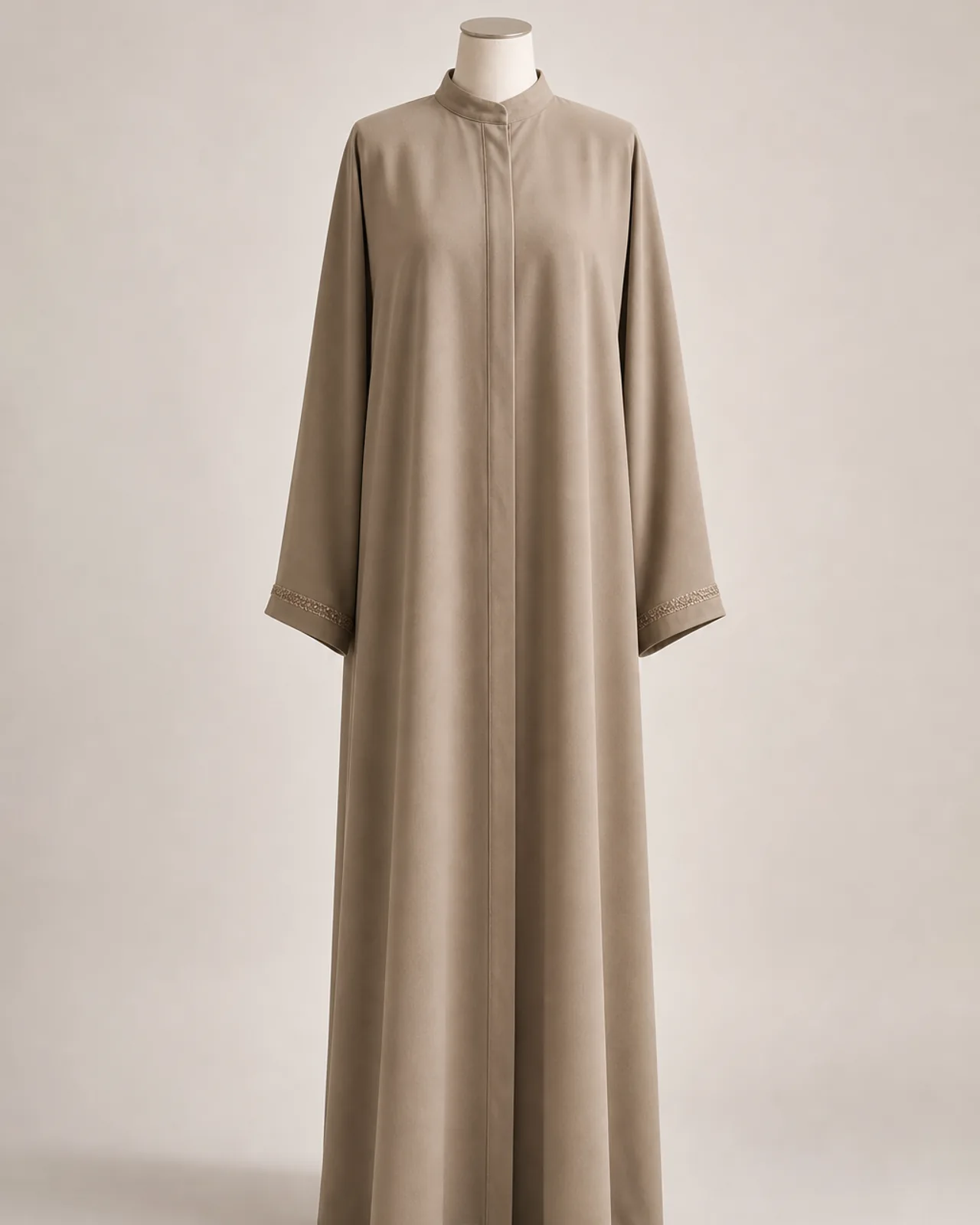
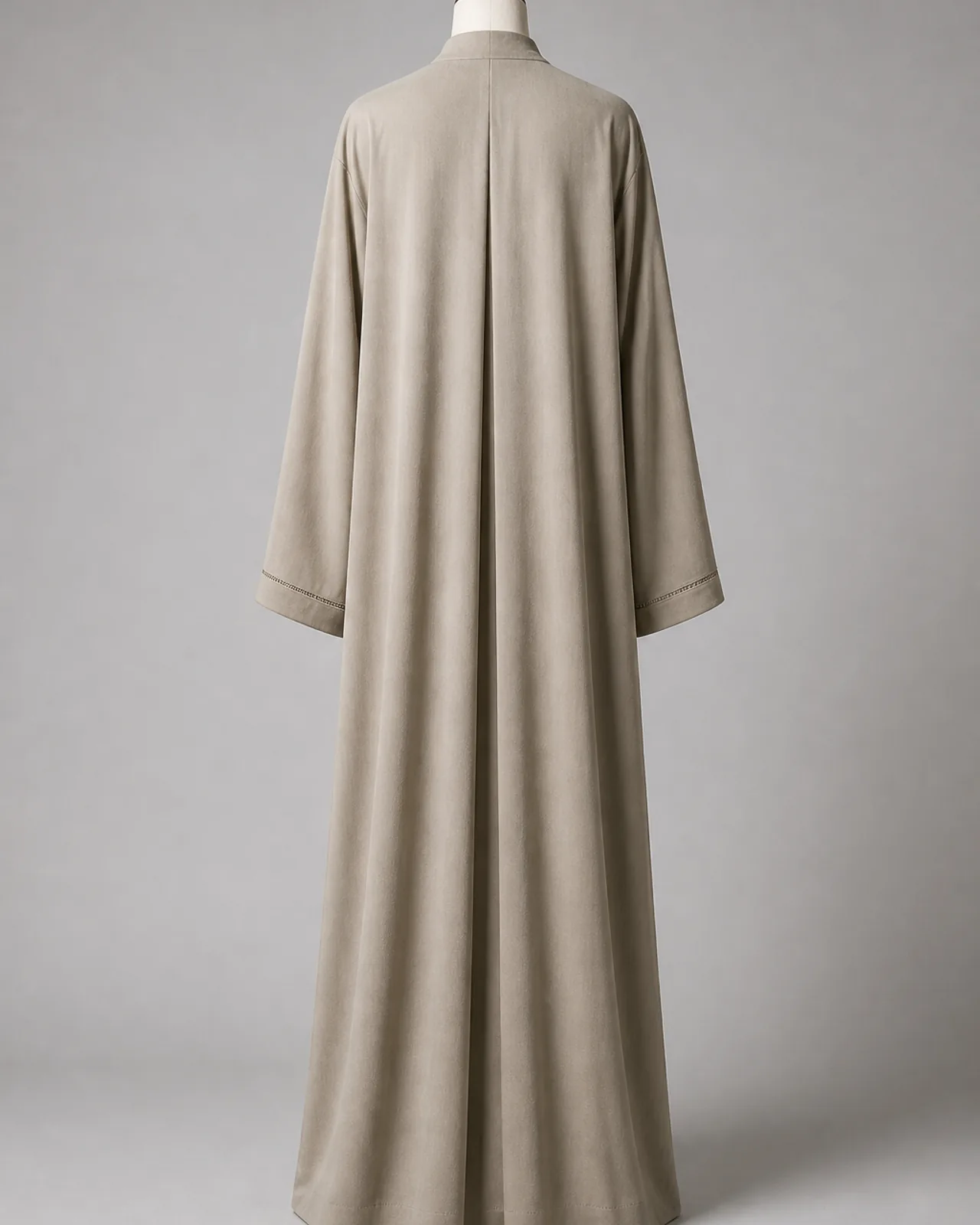
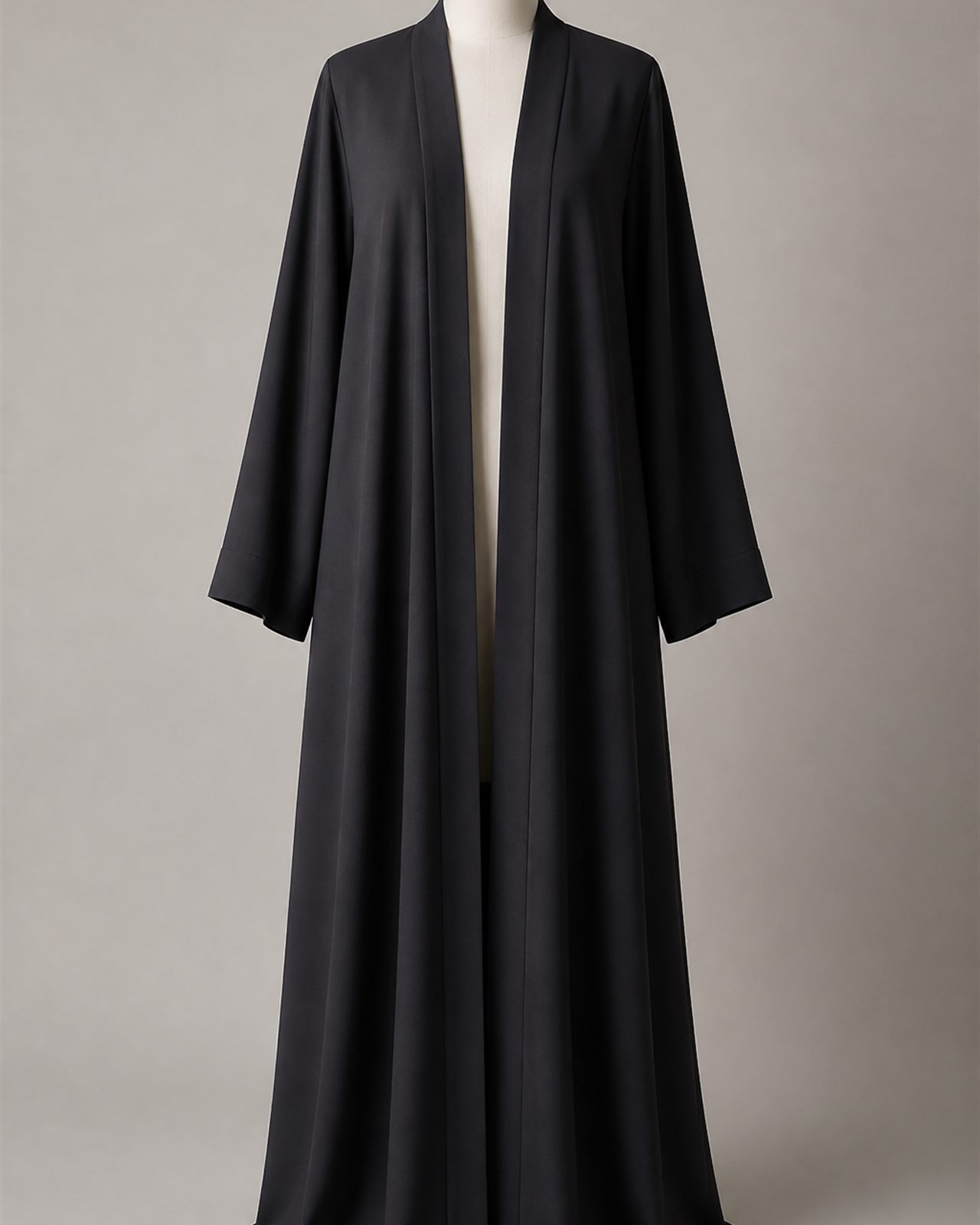
A plain, low-maintenance abaya designed to be reordered rather than replaced. Same block, same fabric, same measurements each time — with your label if you want one.
What separates an everyday abaya from an occasion piece
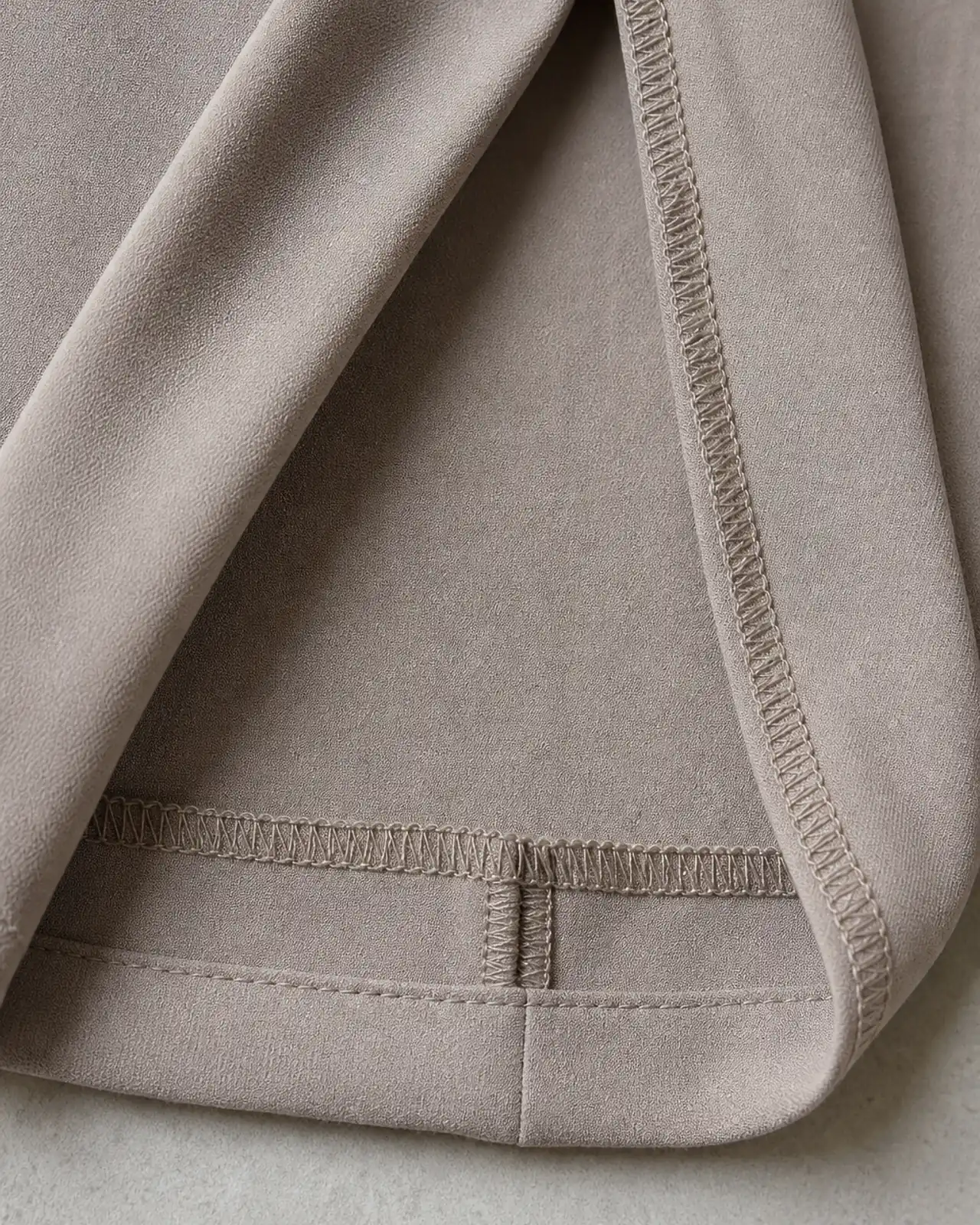
An everyday abaya is bought on different criteria. The customer wears it often, washes it often and expects it to still look the same after a season. That puts the pressure on fabric behaviour, hem finishing and colour stability rather than on decoration.
- Minimal ironing after washing, because the garment is worn daily
- Opaque enough to wear over ordinary clothes without a lining
- Plain enough that a mark or a crease does not ruin the look
- A block that suits a wide age range, since the customer base for daily wear is wider than for occasion wear
Why a plain basic is the easier product to sell and reorder
Decorated styles sell in a season. A plain basic sells across seasons, which means the second order is easier than the first: the sample is already approved, the size chart is fixed and the colour range is understood. That is where a boutique finds its steady line.
- The same block can carry several colours without re-sampling each one
- Reorders can be placed by colour and size that actually sold
- Plain pieces photograph well as a set, which supports your own marketing
- See the wider category on the abaya page if you are building a rail rather than a single line
Nida for daily wear: care, opacity and colour
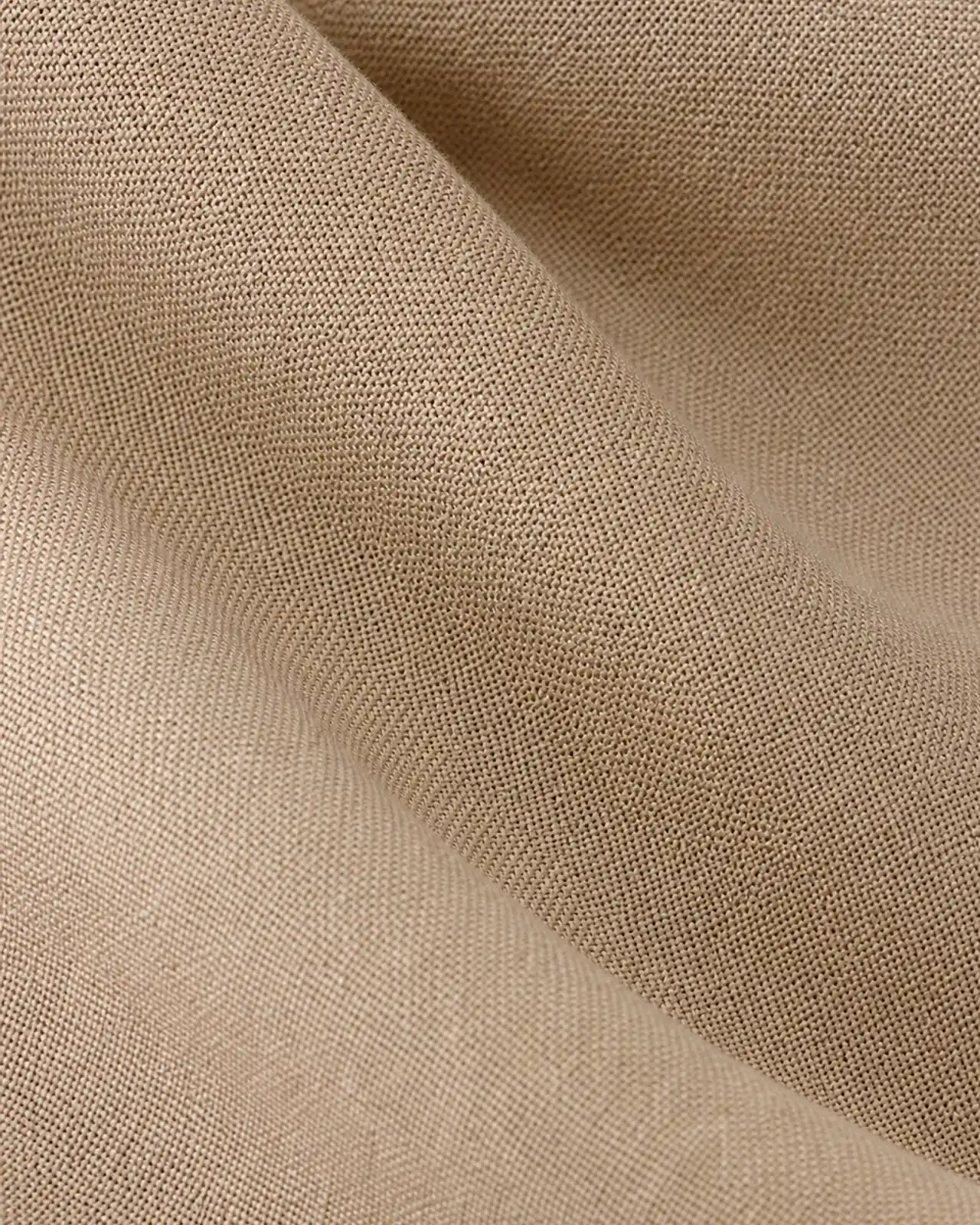
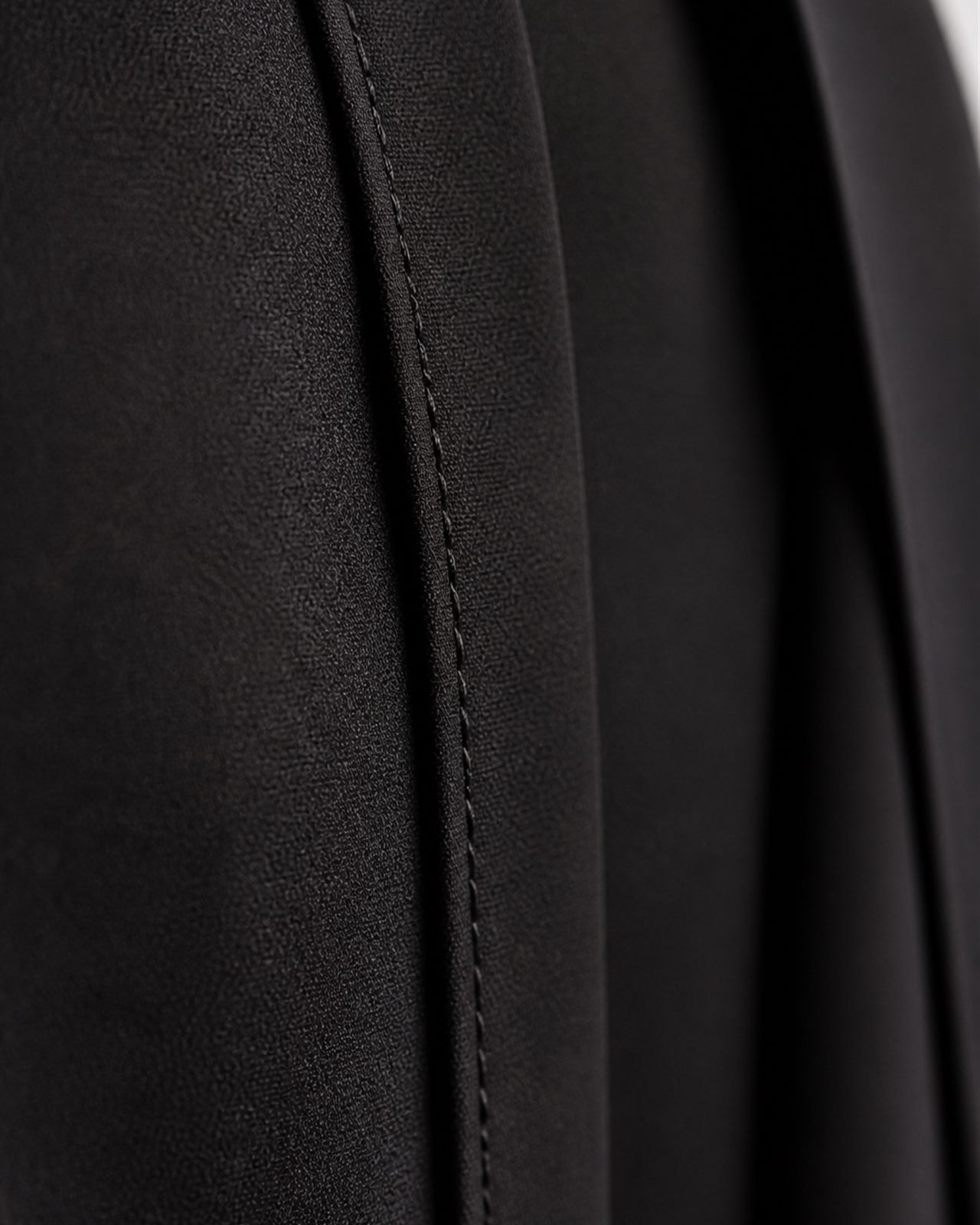
Nida is the fabric most buyers choose for daily wear because it stays matte, does not show every crease and needs minimal care relative to lighter fabrics. For a basic line, that combination is worth more than a premium surface that only looks good on day one.
- Ask for the care recommendation that applies to your chosen quality, and pass it to your customer on a care label
- Dark shades are checked for shading consistency across the run, since this is where basic lines are most often criticised
- Light shades are checked for opacity rather than assumed to be safe
Choosing the colour and size run
A basic line is only as good as its colour and size mix. Most first orders carry too many colours and too few sizes, which leaves stock that cannot be sold as a run. The size guide covers how to read abaya length numbers before you build that mix.
Start from the heights of your actual customers or the sizes that sold in your last order
Choose a small number of core shades, then add one or two seasonal colours
Confirm garment measurements for length, bust and sleeve
Approve one sample in a mid colour, then confirm the full colour range against swatches
Order depth in the colours that tested best rather than spreading evenly
Branding a plain abaya without decorating it
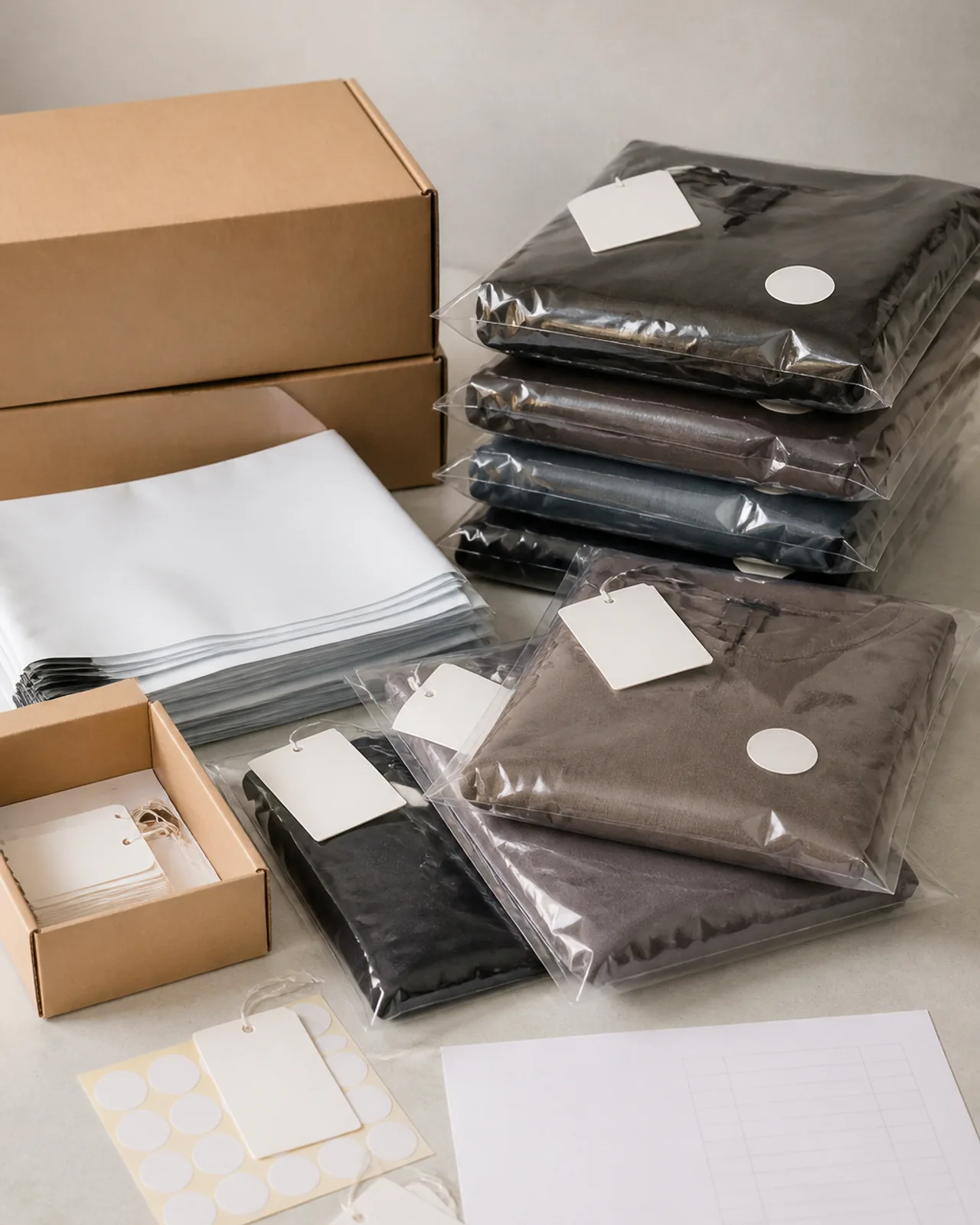
The point of an everyday basic is that it stays plain, so branding has to be quiet. A woven label inside the centre back, a care label with your instructions and a hang tag that carries your size information are enough, and none of them interfere with how the garment wears.
- Woven label, printed label and care label carrying your brand and your care instructions
- Optional small embroidery, for example at the cuff, if your brand needs a visible mark
- Size stickers on the poly bag so stock can be sorted without opening each piece
- Scope for brands is set out on private label
Keeping quality identical on the second order
The most common complaint about a basic line is that the second delivery does not match the first. It is avoidable: the approved sample and the sealed fabric reference stay with the order, so each run is checked against the same standard.
- Approved sample retained as the reference for every subsequent run
- Fabric checked against the sealed shade reference, lot by lot
- Size chart held on file, so measurements do not drift between runs
- Any agreed change is documented before production, not after
Inspection and packing for a volume order
Volume lines are inspected on the points that scale badly: hem straightness across many pieces, colour consistency across many batches, and packing accuracy across many cartons. Packing is treated as part of the order on wholesale shipments, because a wrong size sticker creates a return just as surely as a loose seam.
- Measurement check sampled across sizes and colours, not only on the first piece
- Hem and side seam check for straightness after pressing
- Colour check between batches of the same shade
- Packing list by colour and size, with size stickers applied during packing
Specifications
| Fabric | Nida |
|---|---|
| Composition | To be confirmed with your enquiry |
| Weight | To be confirmed with your enquiry |
| Color | Built as a colour range to your reference, with swatches approved before bulk |
| Size | Confirmed per order, including plus size and custom measurement runs |
| Length | Full length for daily wear; agreed in garment measurements |
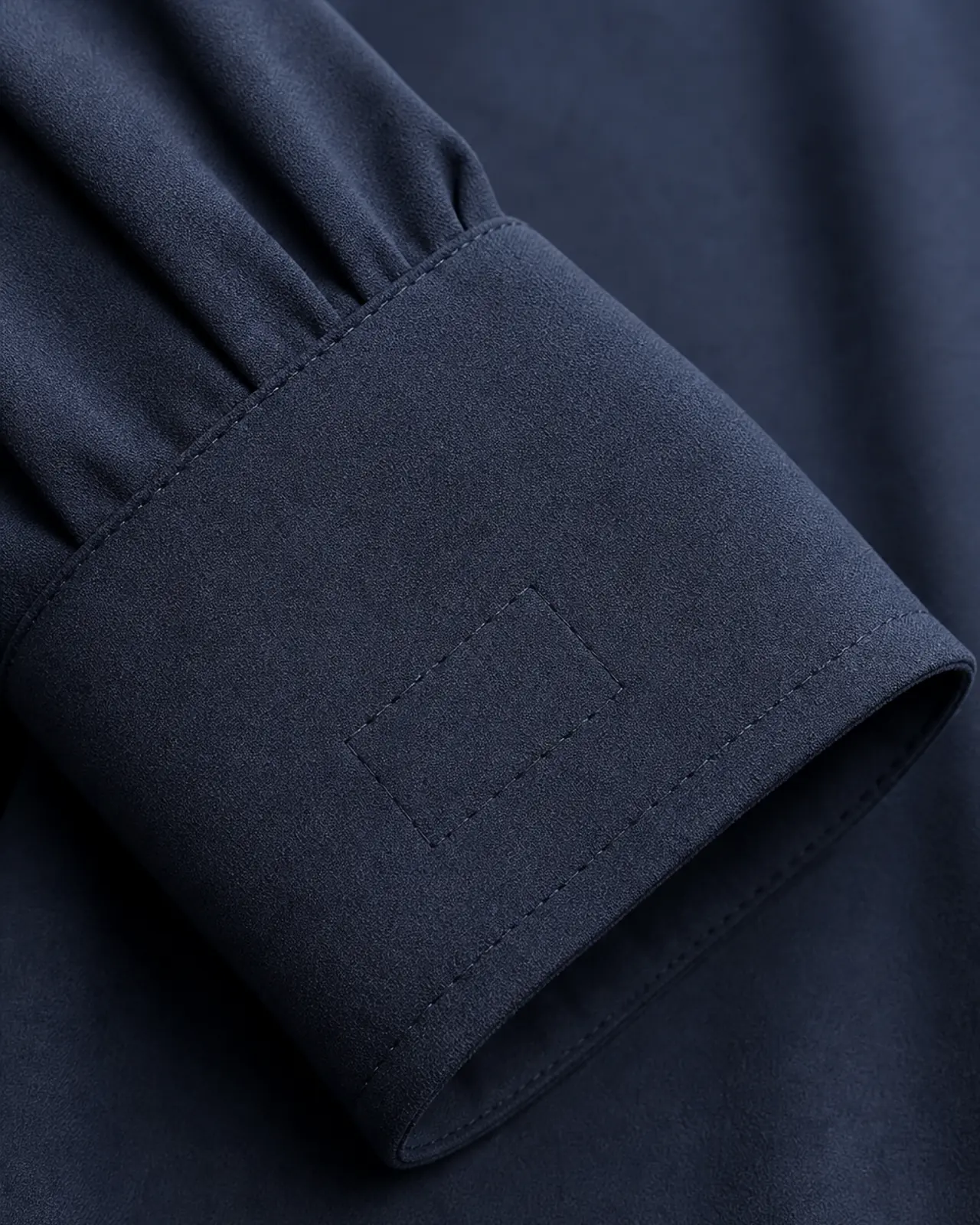
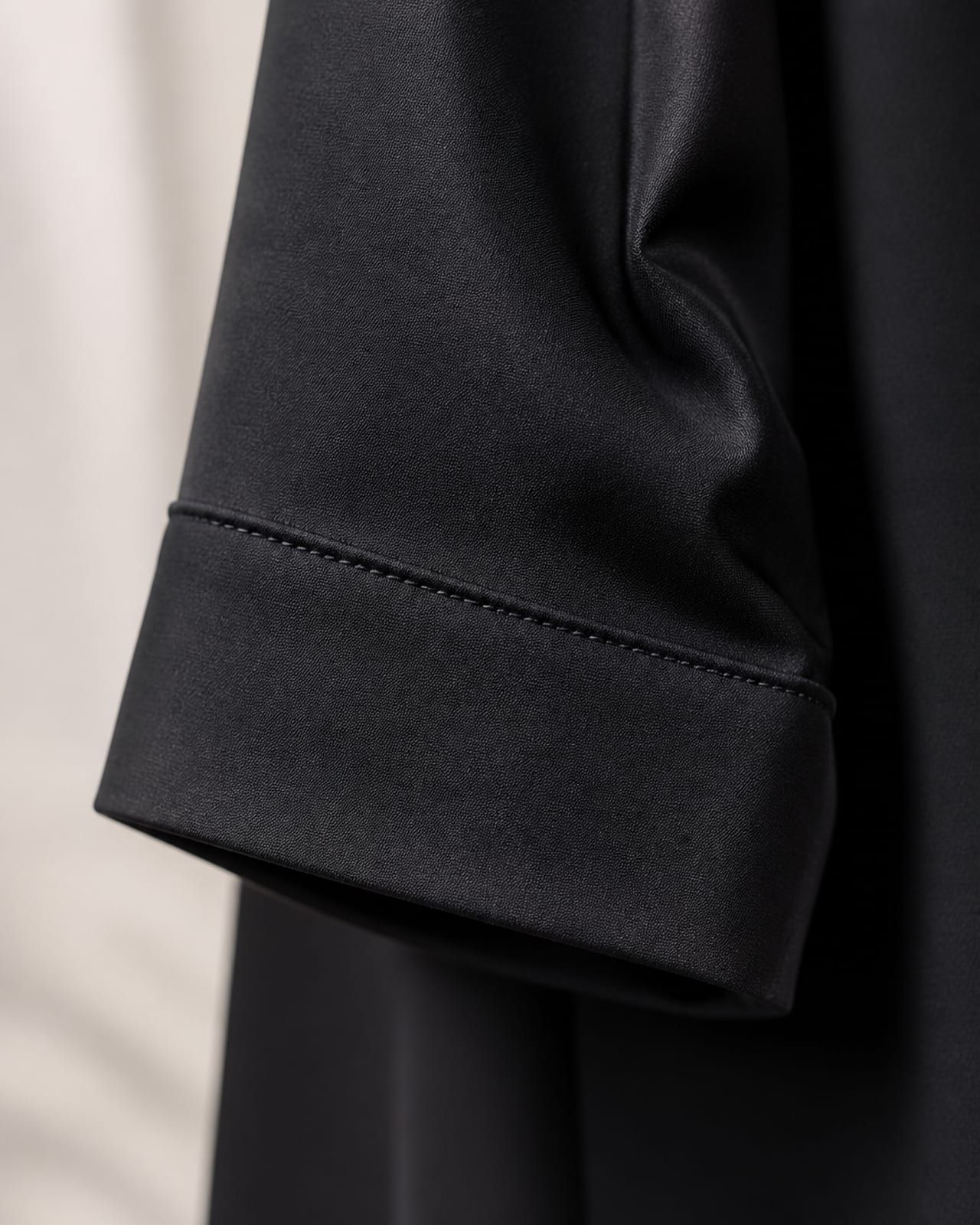
| Sleeve | Long sleeve with a plain finished cuff; depth confirmed on the sample |
| Style | Plain everyday silhouette, no decoration |
| Decoration | None; kept plain so the style can be produced and reordered consistently |
| Closure | Confirmed on the approved sample for your market |
| Lining | Not normally required in Nida; available if your market expects it |
| Packaging | Poly bag as standard; size stickers, printed poly bag or retail packing on request |
Wholesale Information
| MOQ | Contact us for current MOQ |
|---|---|
| Sample | Lead time depends on design and order quantity |
| Price Tier | Quoted per order; colour count, size run and quantity all affect it |
| Customization | Colour range, size run, labels, size stickers and packaging |
| Production | Lead time depends on design and order quantity |
| Packaging | Poly bag as standard; size-stickered or retail-ready packing on request |
| Shipping | Consolidated shipment with packing list; terms and documents confirmed per destination |
OEM / ODM Options
- Custom Color
- Custom Size
- Custom Label
- Custom Hang Tag
- Custom Packaging
- Embroidery
- Beading
- Rhinestone
Quality Details
| Size tolerance | Each production run is measured flat against the approved size chart, so a reorder matches the first delivery |
|---|---|
| Stitching | Hem, side seam and cuff checked for straightness, skipped stitches and loose threads after finishing |
| Fabric | Checked against the sealed reference for shade, opacity and surface faults before cutting |
| Color inspection | Every colour in the range compared with its approved swatch under controlled lighting before packing |
Frequently asked questions
Fewer than most buyers expect. Two or three core shades and one seasonal colour usually sell through better than a wide spread, because the money is in depth on the shades that work. Send your market and we will suggest a mix.
That is the purpose of the approved sample and the sealed fabric reference. Each run is checked against them for measurements, shade and finish, and any agreed change is recorded before production.
Yes, and plain is the default. Decoration is available on request, but a plain garment is easier to reproduce consistently, which matters more on a repeat basic than on an occasion piece.
Nida is opaque, so lining is not normally needed. It can be added if your market expects a heavier garment or if you are selling into a climate where the additional layer is wanted.
Yes. A small trial order is the normal way to test a basic: it tells you which colours sell and which lengths you are missing, before you commit to depth.
Planning your next modest fashion collection?
Tell us these seven things and we can come back with a workable sourcing plan instead of a price list.