Chiffon hijab — wholesale plain and printed
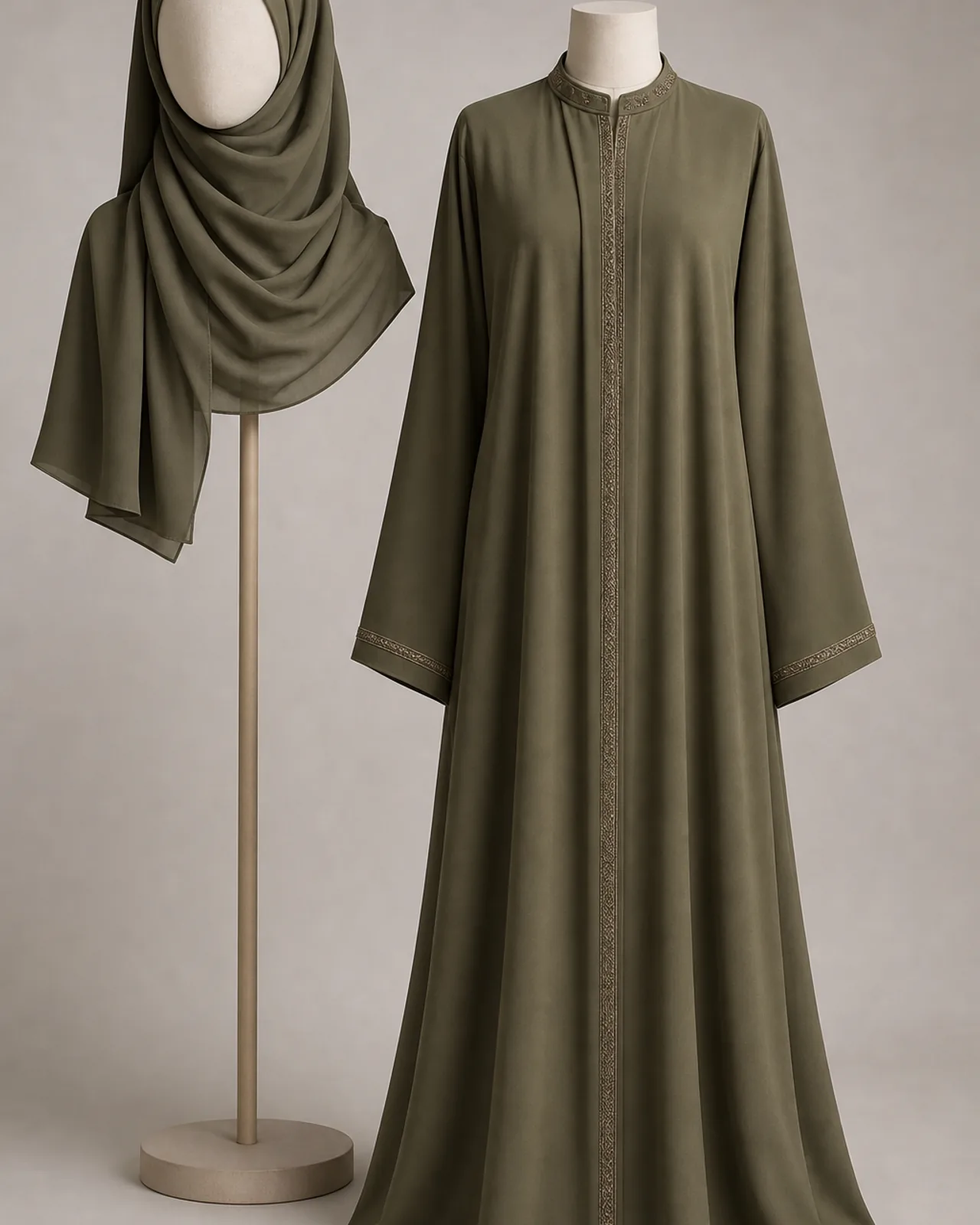
A light hijab chosen for how it falls and photographs. Because the fabric is thin, the edge finish and the layering solution are agreed on a sample before bulk.
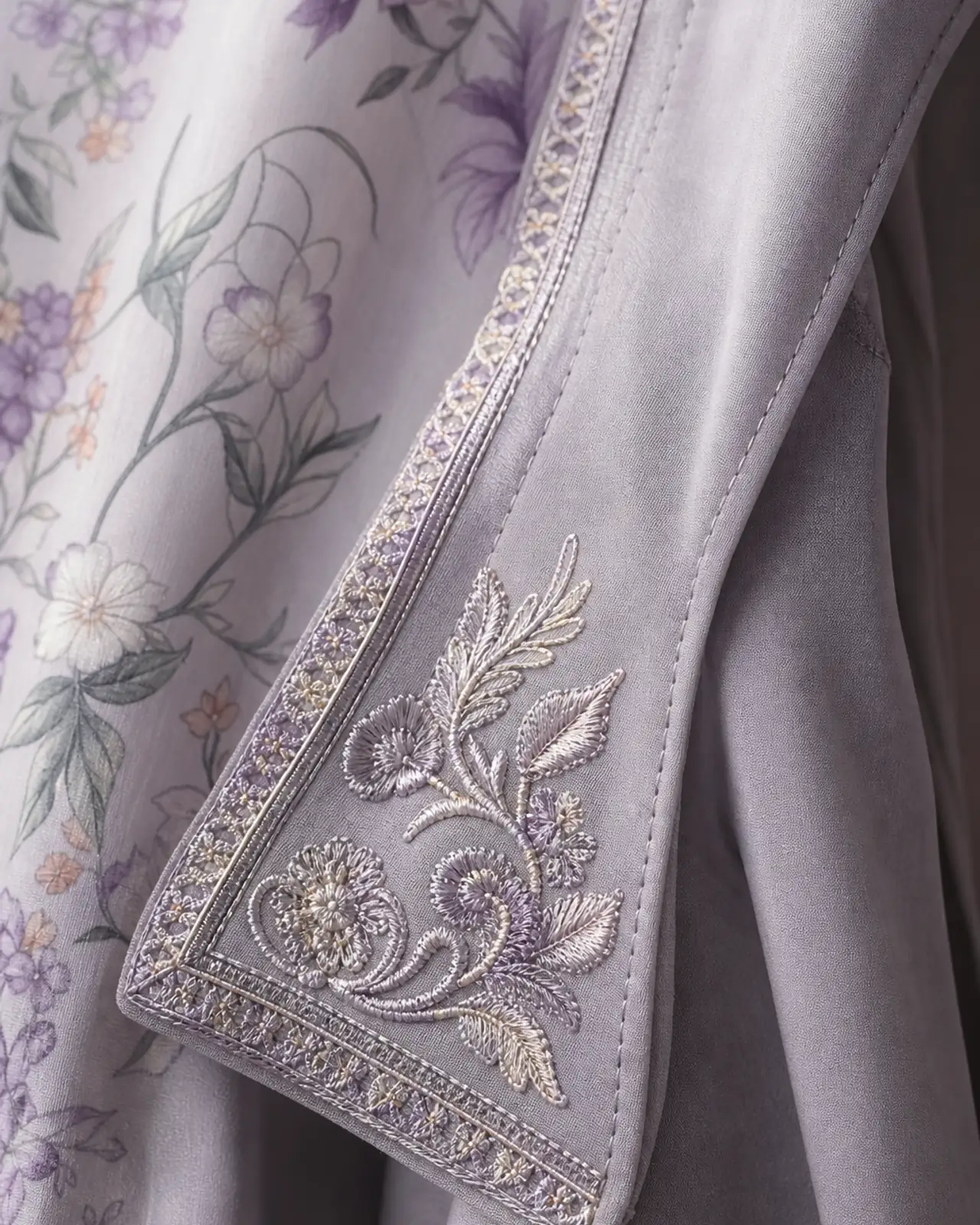
What chiffon is bought for
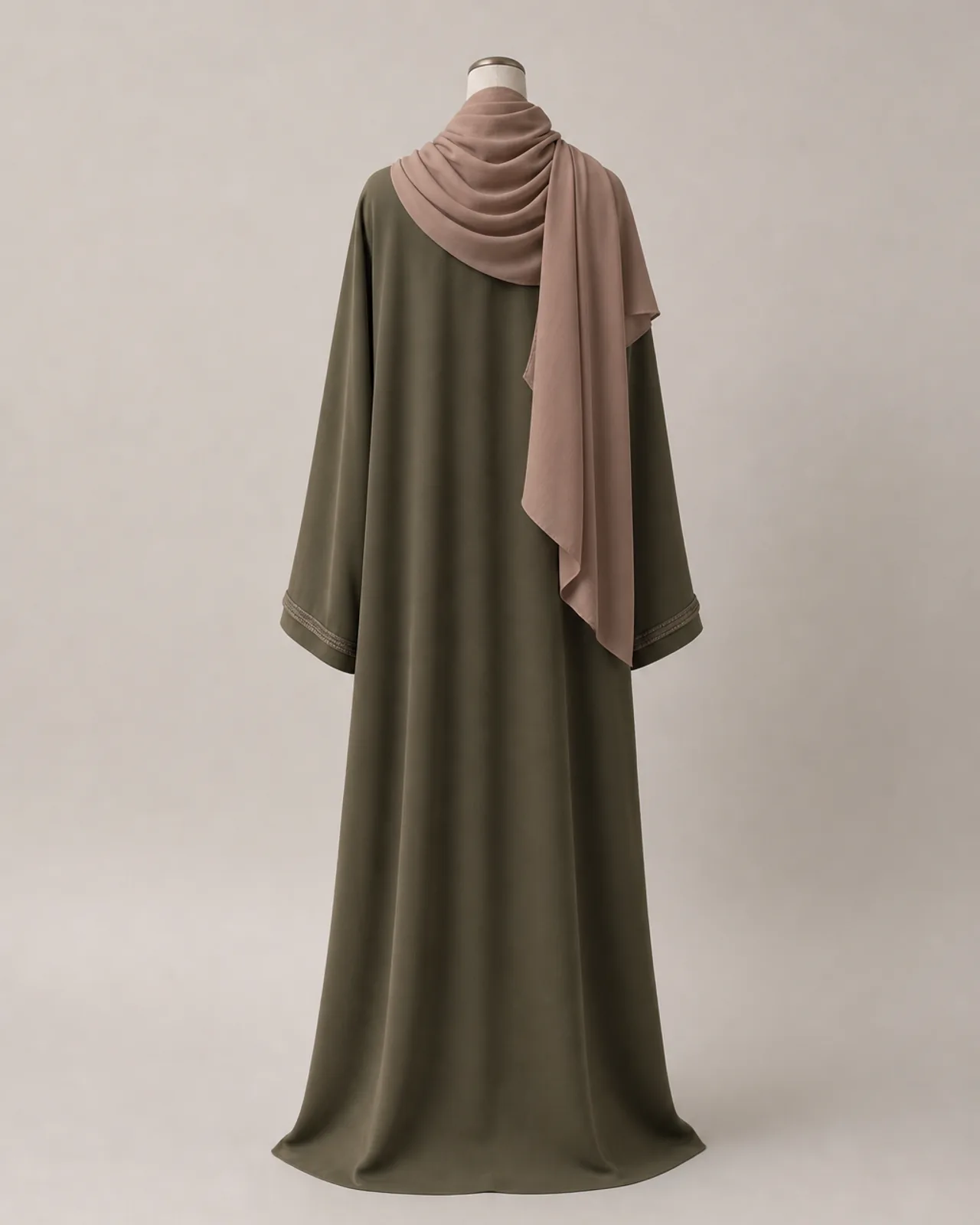
Chiffon is chosen for the way it falls and the way it photographs. It gives volume without weight, which is why it dominates occasion and wedding styling, and it takes colour in a way that makes a plain hijab look considered rather than basic. The same properties create the two problems buyers complain about: transparency and fraying edges.
- Light drape that holds a shape in styling and in product photography
- A surface that looks at home in an occasion collection
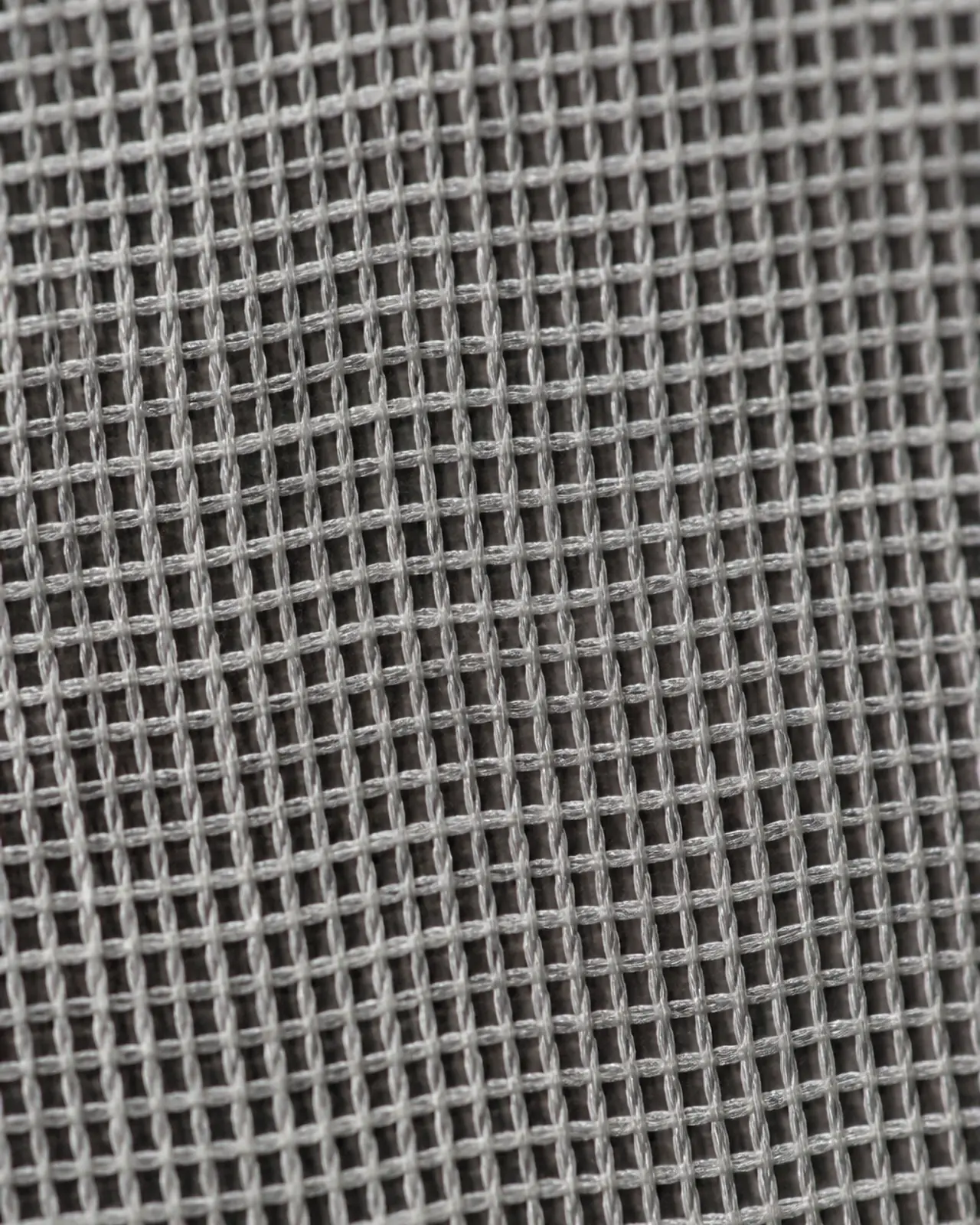
- Transparency that has to be solved by layering or by fabric choice
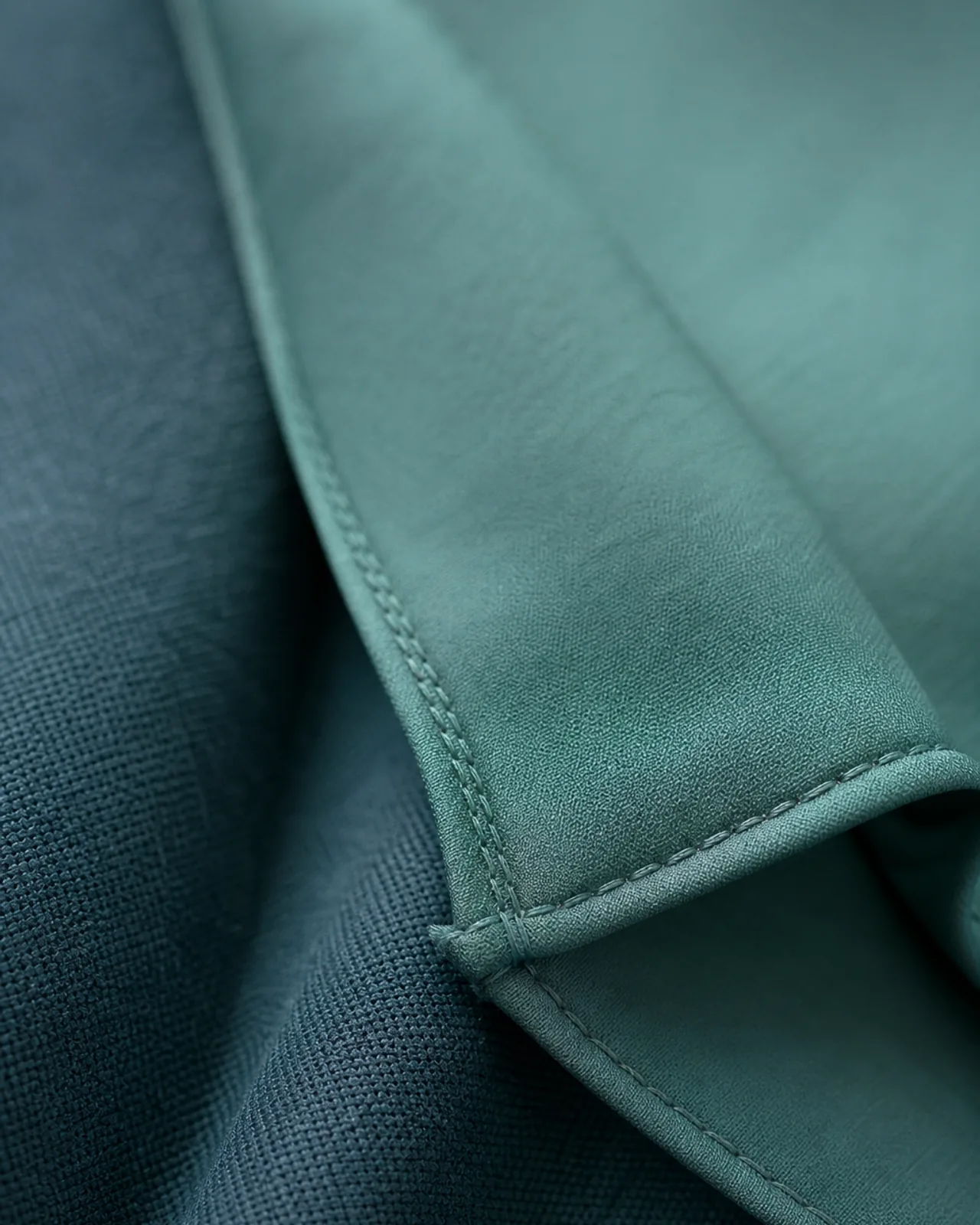
- An edge that has to be finished properly or it will fray in the wash, which the chiffon fabric guide explains fabric by fabric
Layering: the underscarf decision
Chiffon is normally worn over an underscarf, and that is a retail decision as much as a styling one. Selling the underscarf with the hijab converts a low-value item into a small set and removes the main customer complaint before it happens.
- Underscarf supplied in a coordinating shade to sit under the hijab
- A band or fitted cap style, depending on what your market uses, with sizing conventions covered in the size guide
- Sold as a two piece set or as a separate line item, whichever suits your pricing
- Compare the alternative in the modal hijab range, where opacity is not an issue
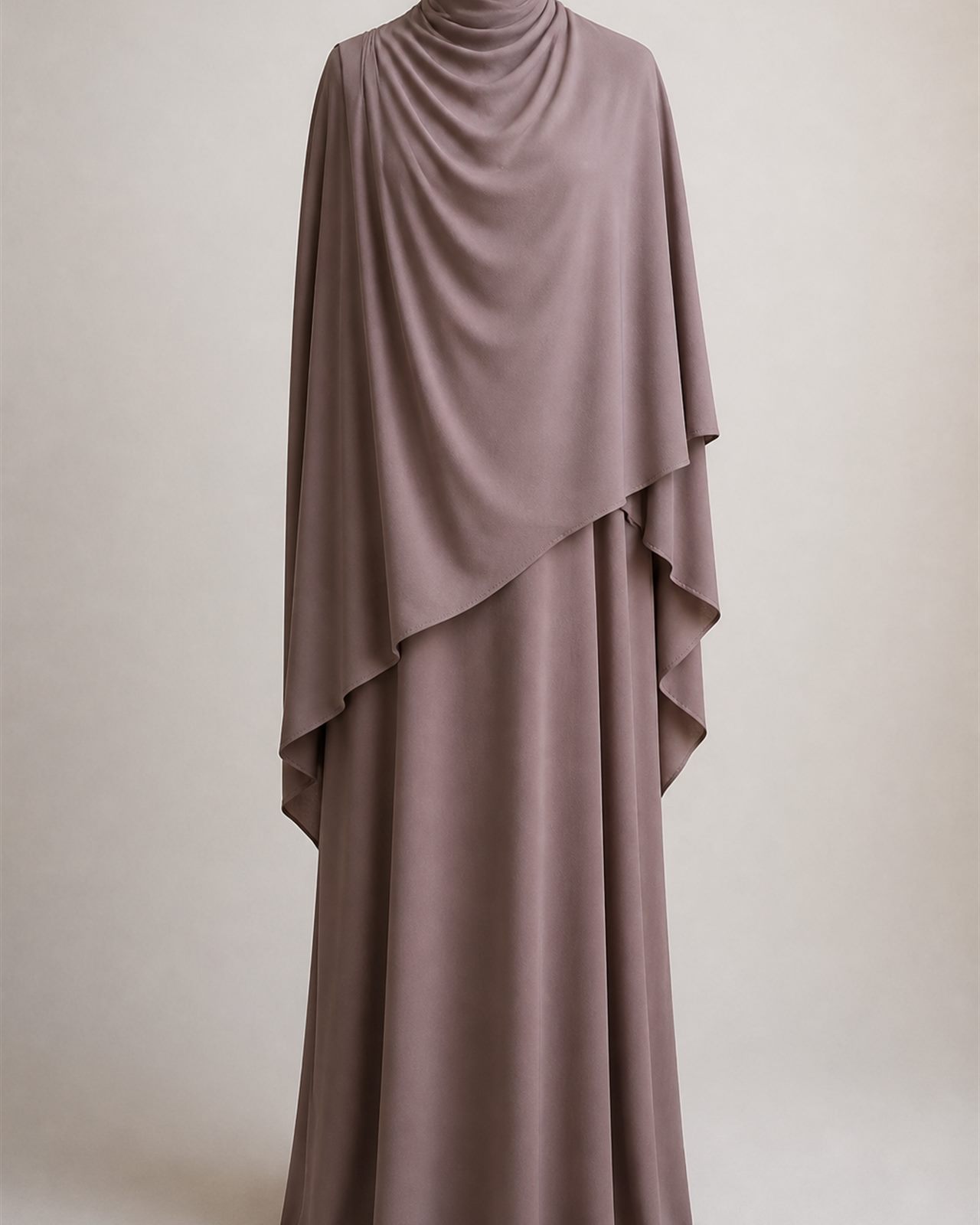
Edge finishing: the quality signal on chiffon
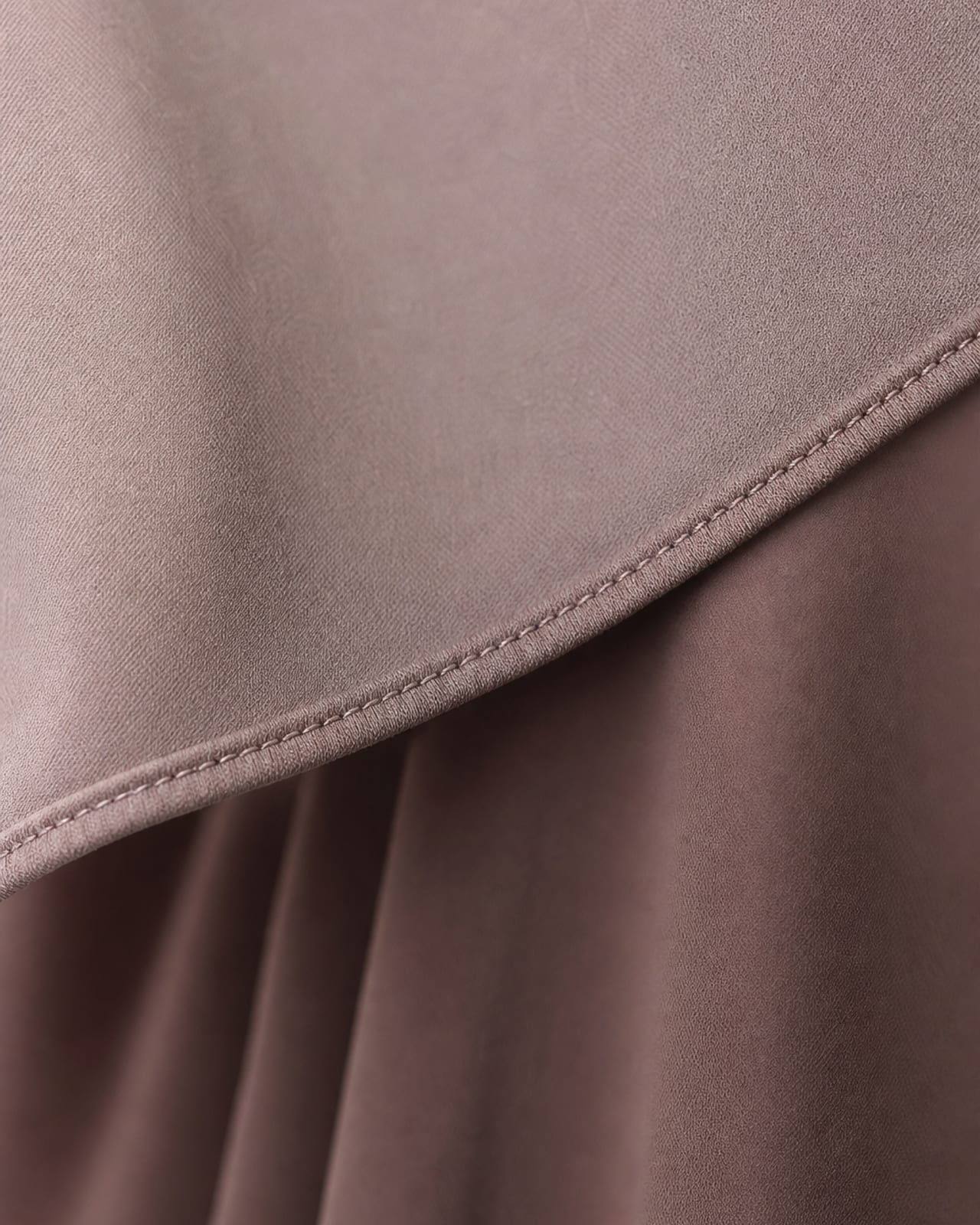
Because the fabric is thin, the edge is the first thing a customer runs between her fingers. A rolled or narrow finished edge that stays flat and even signals a well-made product; a wavy or fraying edge signals the opposite, whatever the fabric quality.
- Finished edge agreed on the sample, including how it behaves after washing
- Corner treatment confirmed, since corners are where chiffon edges most often fail
- Edge tension checked during production to stop the hem from rippling
- Trims and thread ends checked before packing, on the flat
Plain versus printed chiffon ranges
Most buyers run plain chiffon as the dependable line and printed chiffon as the seasonal story. Plain colours reorder with little risk; prints generate the repeat visits, but they only work if the artwork is checked on the actual fabric at sample stage.
- Plain shades as the core range, with depth built on the best sellers
- Prints developed from your artwork or from a reference you send, sampled on the fabric
- Print registration and colour checked against the approved sample, not against a screen file
- Boundaries between print and plain ranges set before ordering, so the two do not compete for the same sale
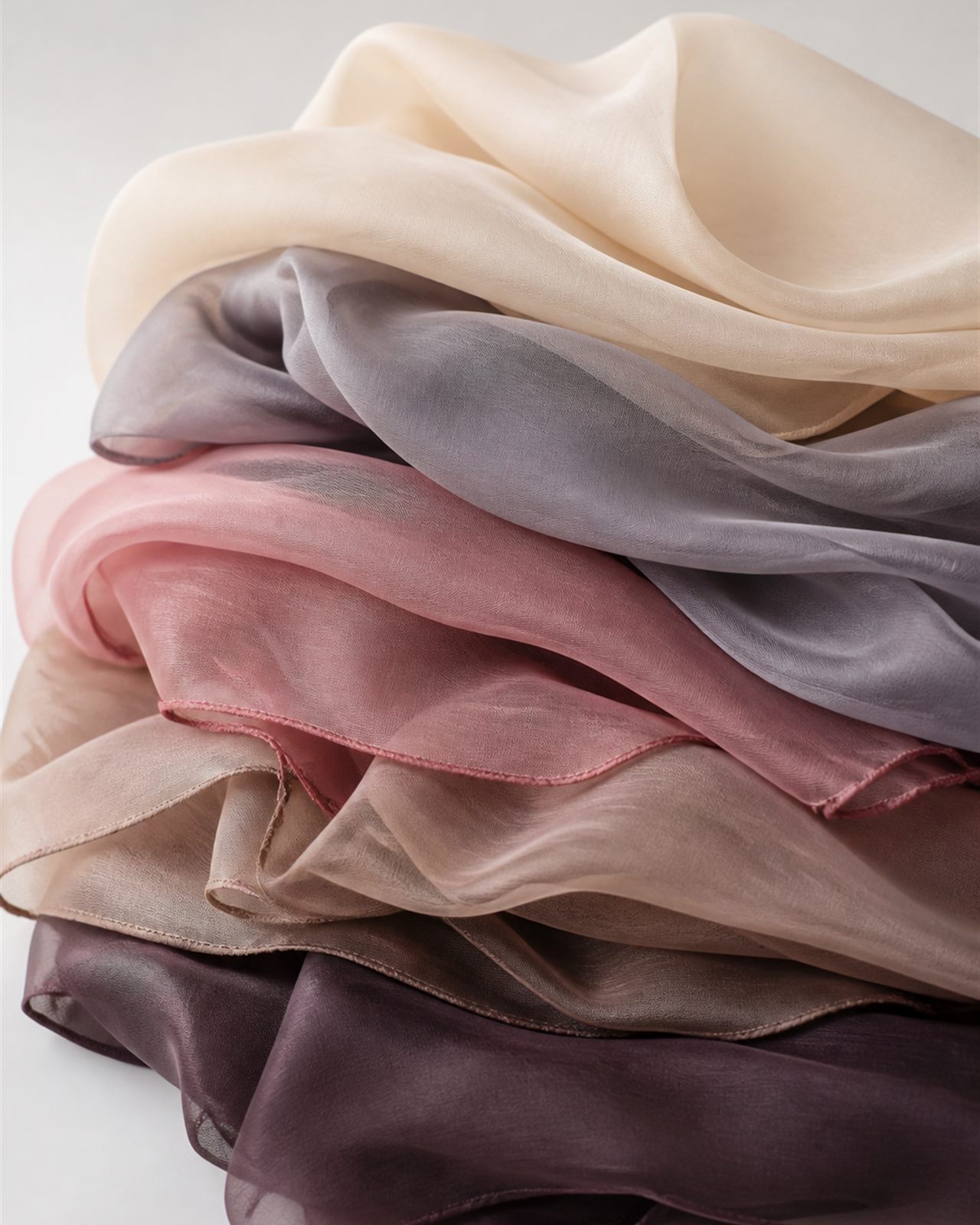
Colour planning for occasion seasons
Chiffon sells hardest into wedding, Eid and Ramadan collections, where colour is the main reason a customer chooses one hijab over another. Planning the palette early matters more than adding shades late, because a late addition arrives after the demand window has passed.
Set the occasion and the palette for the season before sampling starts
Choose the plain shades that anchor the range and the prints that lift it
Confirm cut dimensions and edge finish on a plain sample first
Approve the print sample on the chosen base fabric before the printed line is produced
Run the range in the agreed depth and reorder only the shades that sold
How chiffon is inspected
Chiffon shows snags, pulls and uneven dyeing more than any other fabric in the range, so the inspection is done on the flat under consistent light and on a sample from every batch.
- Snag and pull check across the whole panel, not only in the centre
- Edge check for even finishing, fraying and thread tails
- Transparency check on light shades, held over a dark layer
- Shade and print check piece to piece against the approved sample
- Flat measurement check against the agreed dimensions
Packing chiffon so it arrives flat
Chiffon creases where it is folded and holds the fold, so packing is planned to keep the surface clean and the folds soft. A mixed wholesale order can carry chiffon hijabs, underscarves and accessories together, which keeps the shipping cost per unit down on a light product.
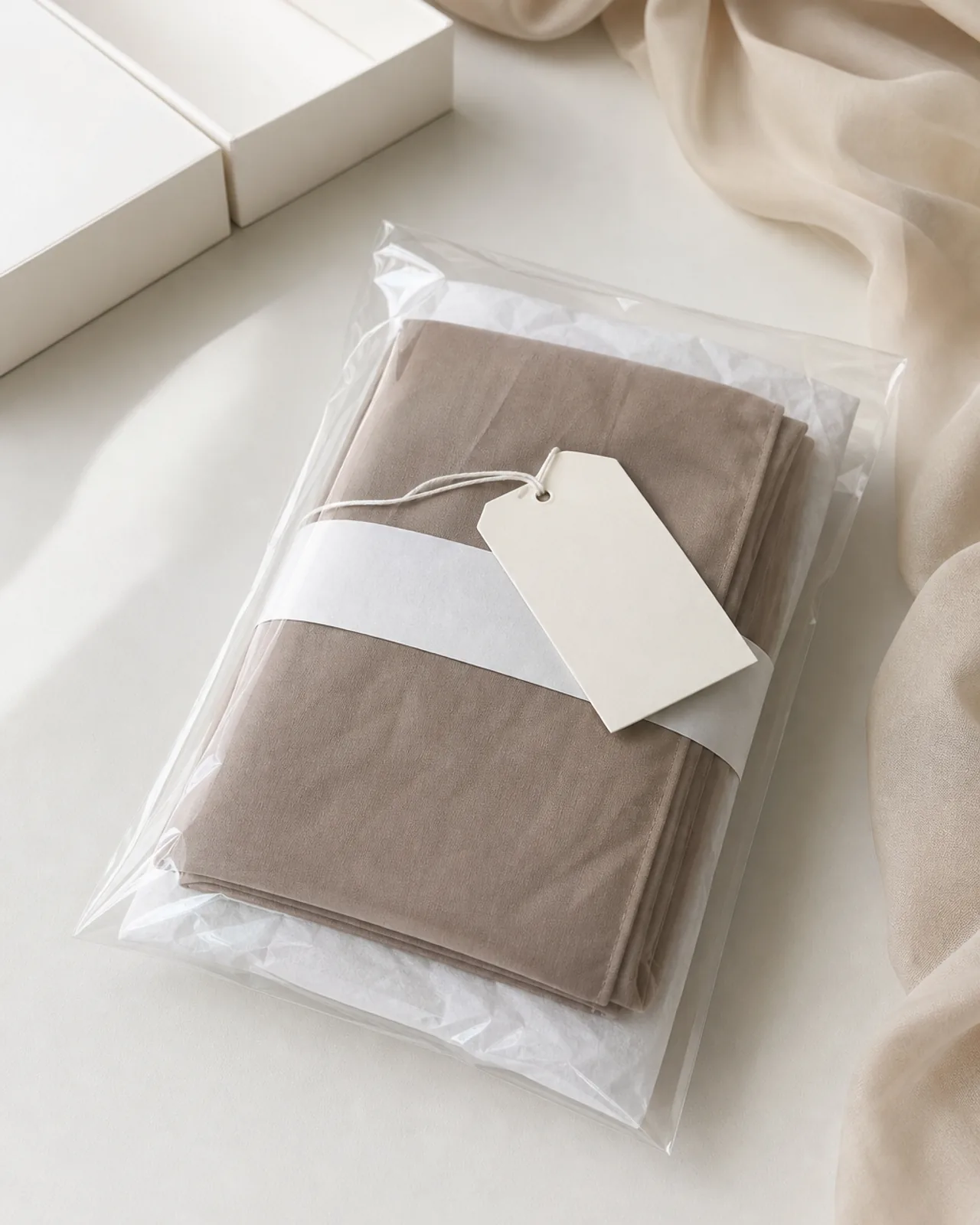
- Folded flat with tissue or a soft interleaf to reduce hard crease lines
- Poly bag as standard, header card or printed bag on request
- Colour and size information applied during packing
- Packing list by style, colour and cut size; shipping documents confirmed for the destination
Specifications
| Fabric | Chiffon |
|---|---|
| Composition | To be confirmed with your enquiry |
| Weight | To be confirmed with your enquiry |
| Color | Plain shades matched to your reference; prints developed from your artwork or a reference |
| Size | Cut dimensions agreed per order rather than expressed as letter sizes |
| Length | Confirmed per order as a measurement on the flat hijab |
| Sleeve | To be confirmed with your enquiry |
| Style | Flat cut chiffon hijab, plain or printed, usually styled in layers |
| Decoration | Printing, or an embroidered corner mark on request |
| Closure | To be confirmed with your enquiry |
| Lining | Not applicable; coverage is achieved by layering, and an underscarf can be supplied with the hijab |
| Packaging | Poly bag as standard; printed poly bag, header card or retail packing on request |
Wholesale Information
| MOQ | Contact us for current MOQ |
|---|---|
| Sample | Lead time depends on design and order quantity |
| Price Tier | Quoted per order; print versus plain, colour count and quantity move it |
| Customization | Colour, print, cut size, edge finish, underscarf, label and packaging |
| Production | Lead time depends on design and order quantity |
| Packaging | Poly bag as standard; printed or retail-ready packing on request |
| Shipping | Consolidated shipment with packing list; terms and documents confirmed per destination |
OEM / ODM Options
- Custom Color
- Custom Size
- Custom Label
- Custom Hang Tag
- Custom Packaging
- Embroidery
- Beading
- Rhinestone
Quality Details
| Size tolerance | Measured flat against the agreed cut dimensions, checked on a sample from the batch rather than on a single piece |
|---|---|
| Stitching | Edge stitching checked for skipped stitches, gathering and pulls; chiffon frays if the edge is not finished cleanly |
| Fabric | Checked against the sealed reference for even weave, snags, marks and shade before cutting |
| Color inspection | Compared with the approved swatch under controlled lighting; print registration checked against the approved artwork |
Frequently asked questions
Chiffon is smoother than modal or jersey, so it is normally worn over an underscarf or with pins. That is why many buyers sell the underscarf with the hijab, and why the styling method is shown clearly in product images.
Yes. Send your artwork or a reference, and the print is developed and shown to you on the actual fabric, because colour and detail read differently on chiffon than they do on a screen or on another base cloth.
A properly finished edge will not. The edge finish is agreed at sample stage and the sample is washed before approval, so you know how the hem behaves in normal use before you commit to a bulk run.
Plain colours are the safer first order because they reorder predictably and suit any season. Prints are usually added once you know which colours sell in your market, so the print story is built on real demand.
Yes, and it is the most common way this product is sold. The underscarf is made in a coordinating shade and the two are packed together as one set, with your label on both pieces if you want it.
Planning your next modest fashion collection?
Tell us these seven things and we can come back with a workable sourcing plan instead of a price list.