Modal hijab — wholesale and private label
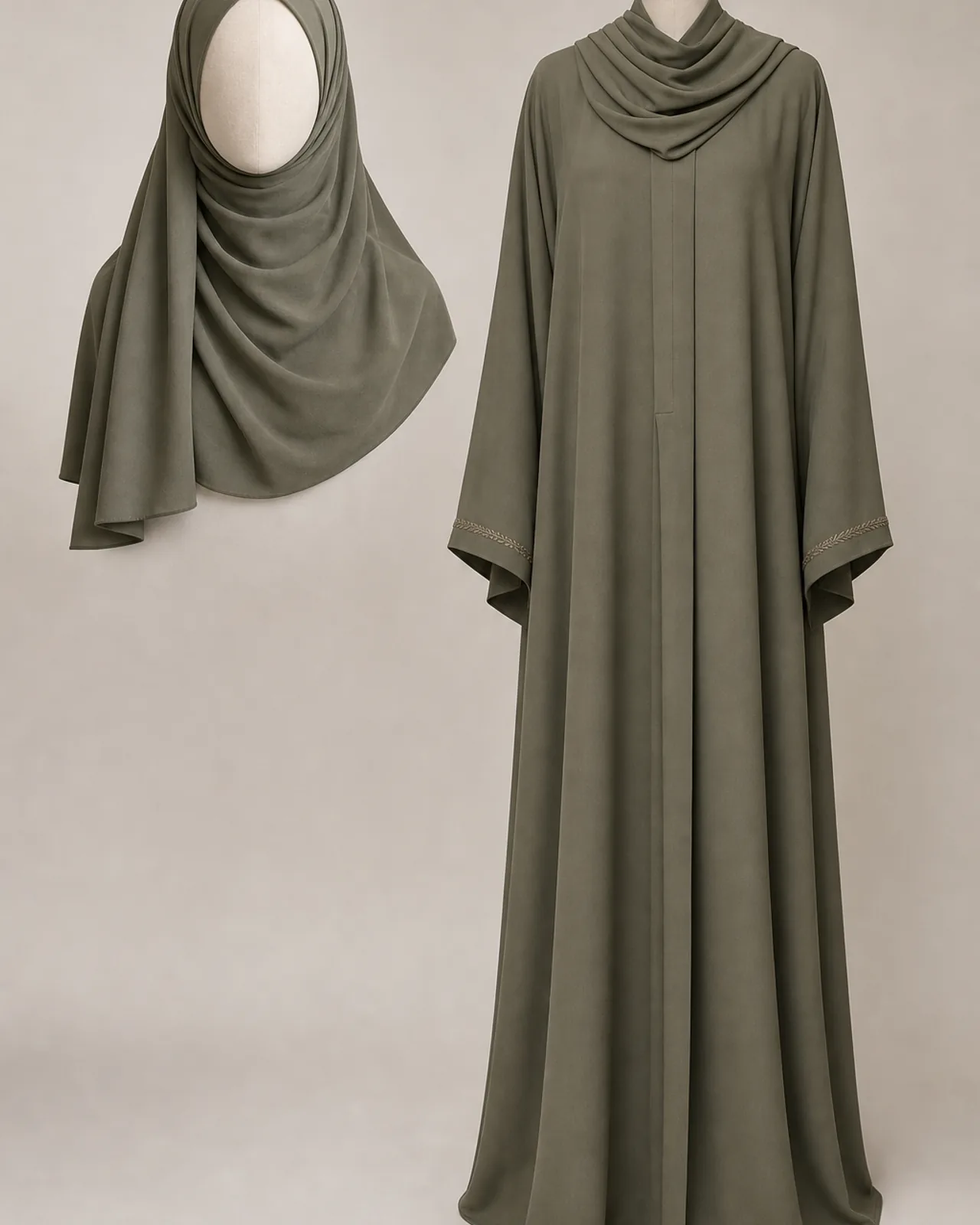
A soft hijab fabric that keeps its shape on the head without constant re-pinning. Ordered in your own size and colour range, plain or branded.
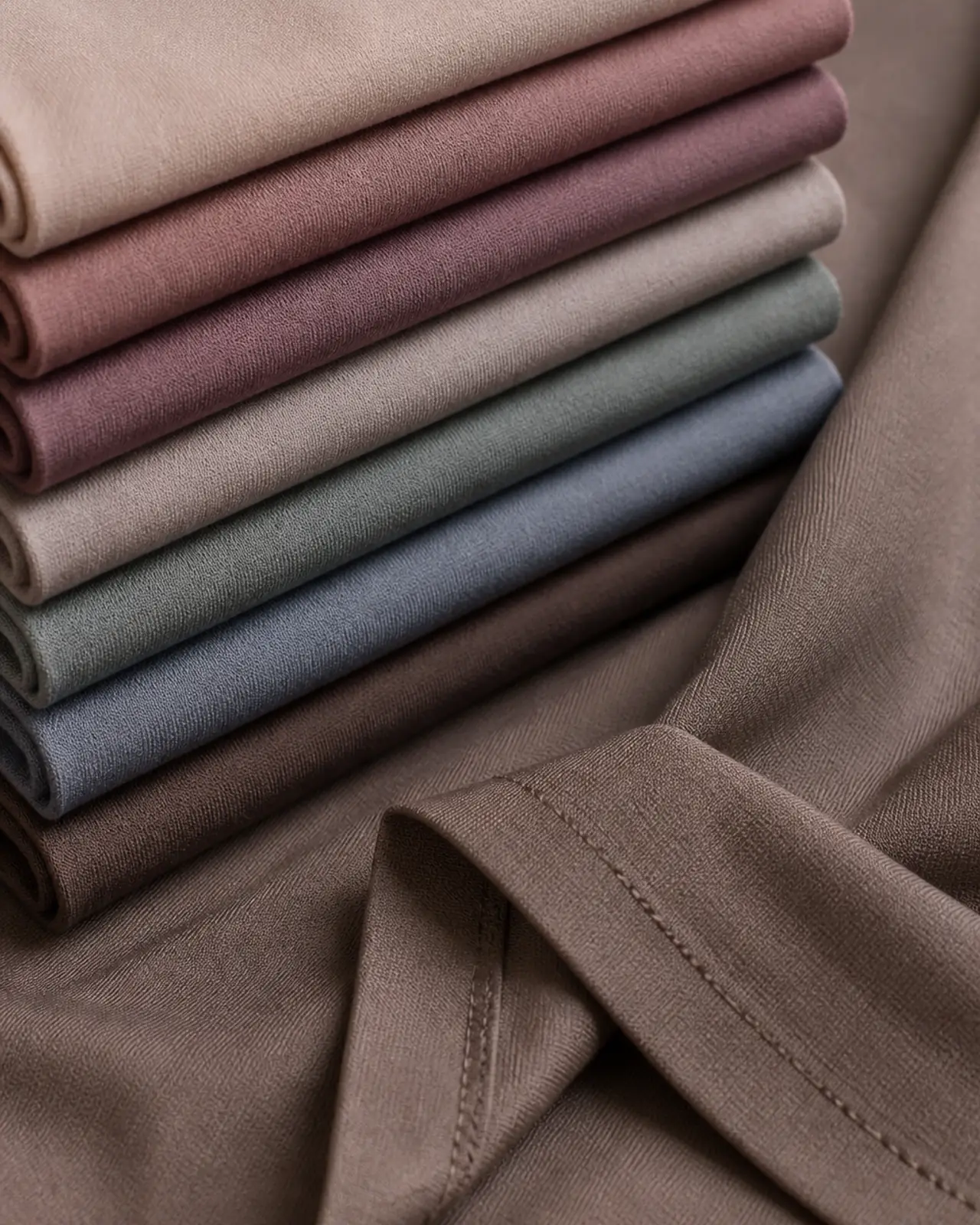
Why modal suits hijabs
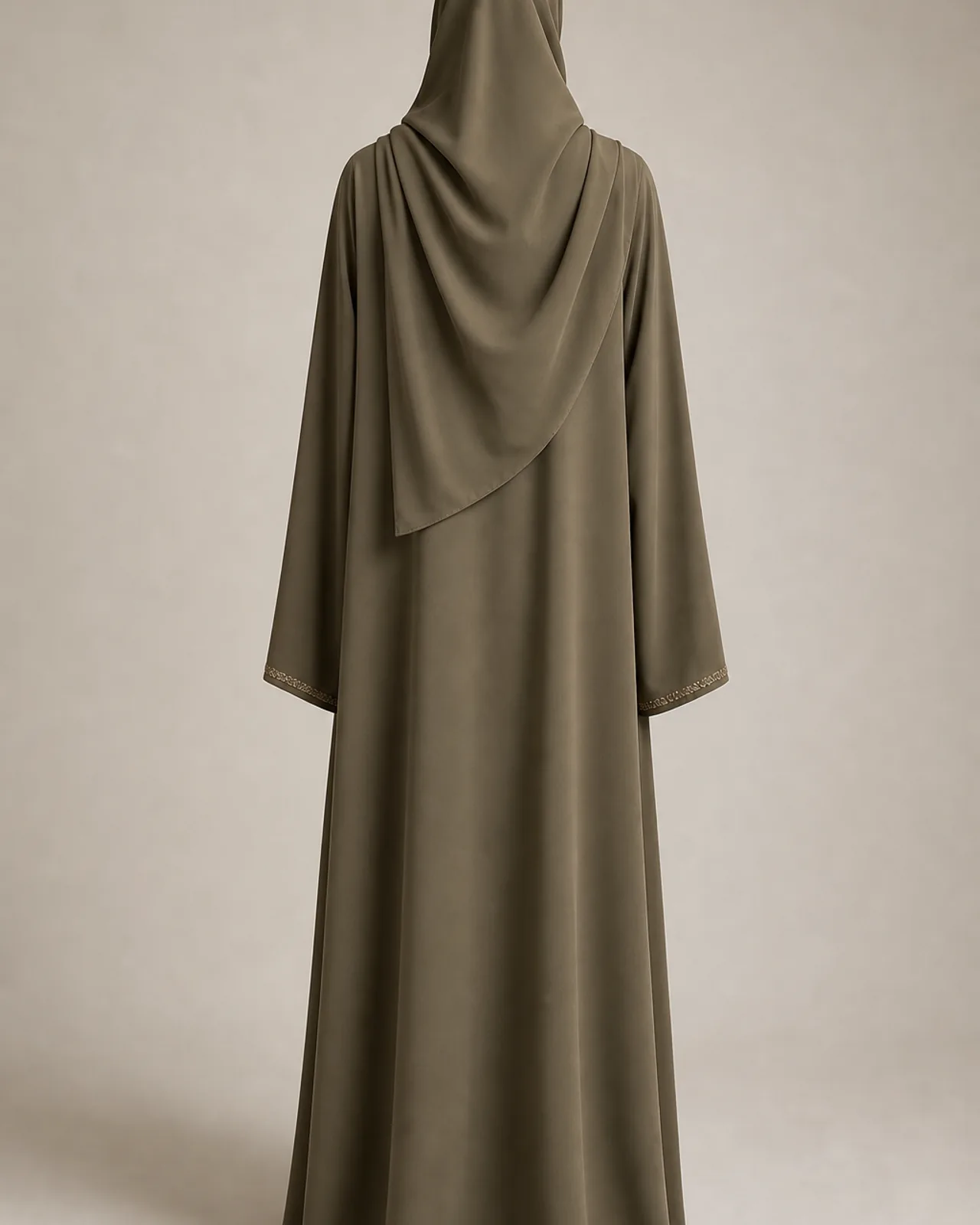
A hijab is judged by behaviour rather than by appearance alone. It has to stay where it is put, cover without being heavy, and still look presentable after a normal wash. Modal manages all three, which is why it has become a default for buyers who want one hijab fabric that works for most customers.
- Holds its shape on the head, so the customer is not re-pinning through the day
- Opaque in the shades most buyers order, without needing a heavier layering piece
- Soft enough to drape, with the body to stay in place
- Takes colour evenly, which matters when a range runs across many shades
Cut and size: where most hijab orders go wrong
Hijab sizing is a cut measurement, not a letter. The same word describes different rectangles in different markets, and a hijab that is the wrong length or width will not style the way your photographs show. Dimensions are agreed on the flat and confirmed on the sample.
- Rectangle and square cuts have different styling uses and different sell-through patterns
- Length and width written as cut measurements so the bulk order matches the approved sample
- Oversized cuts sold as a premium option, or two sizes offered per colour
- Market conventions are set out in the size guide if you are adapting a range for a new country
Edge finishing: what decides the drape
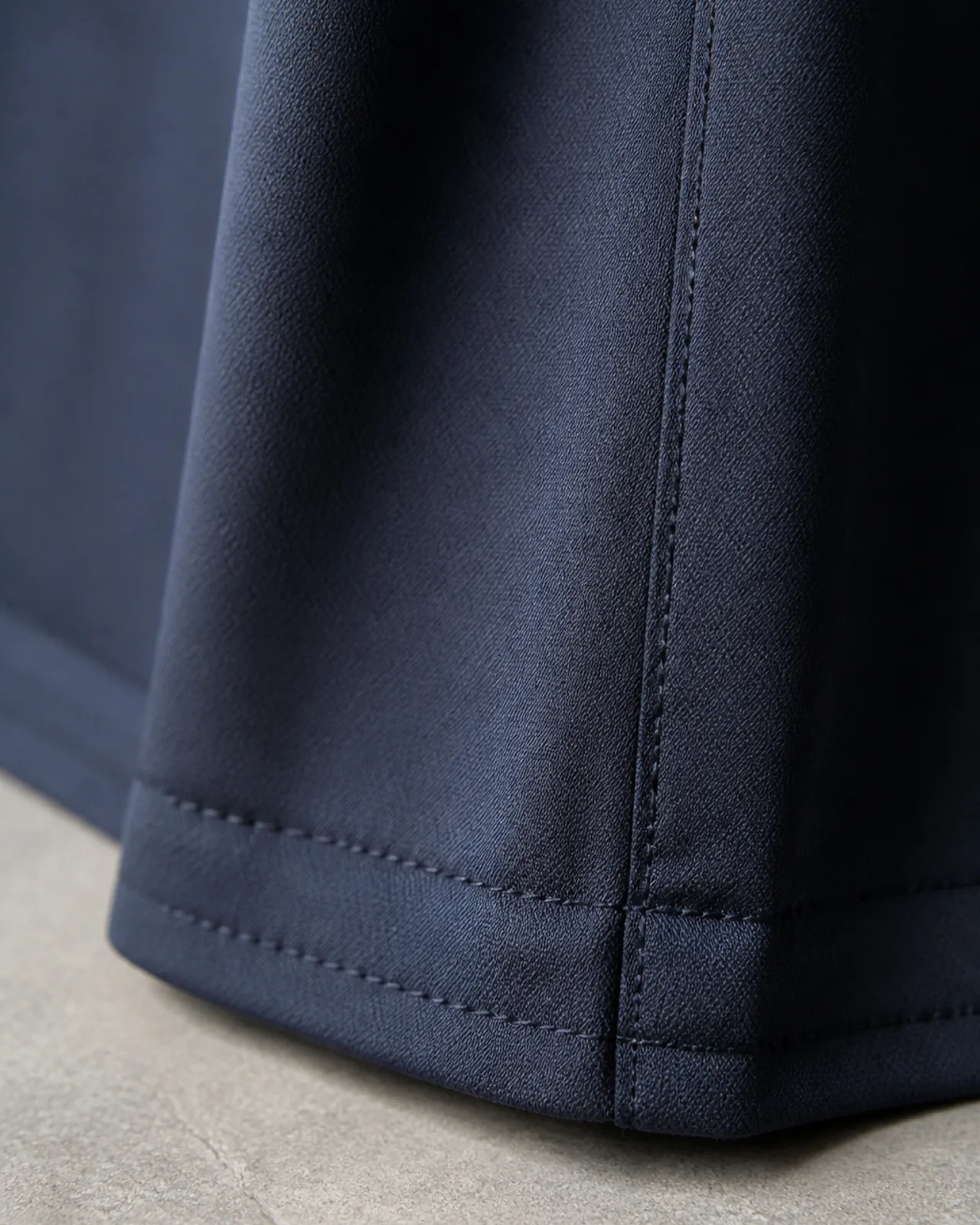
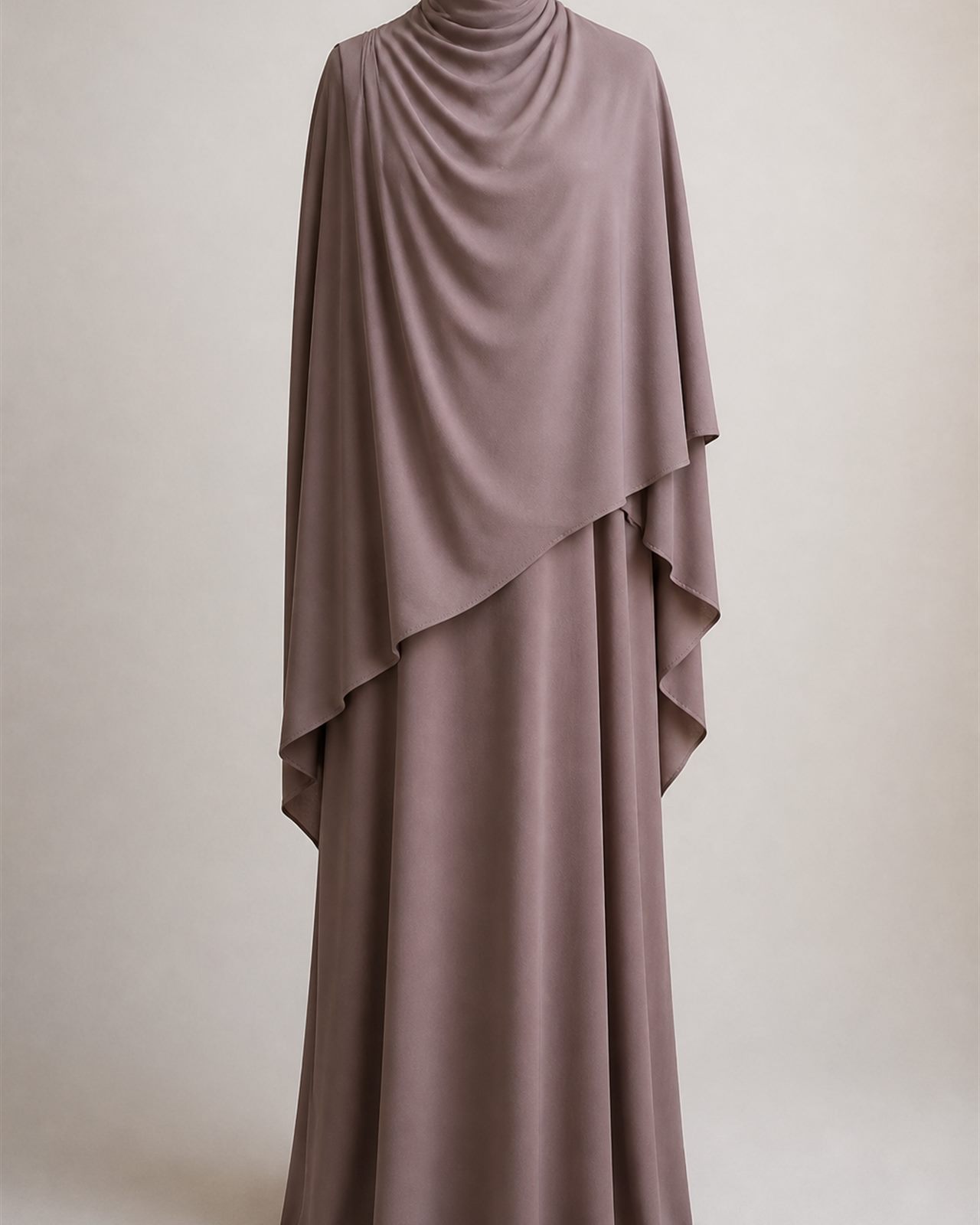
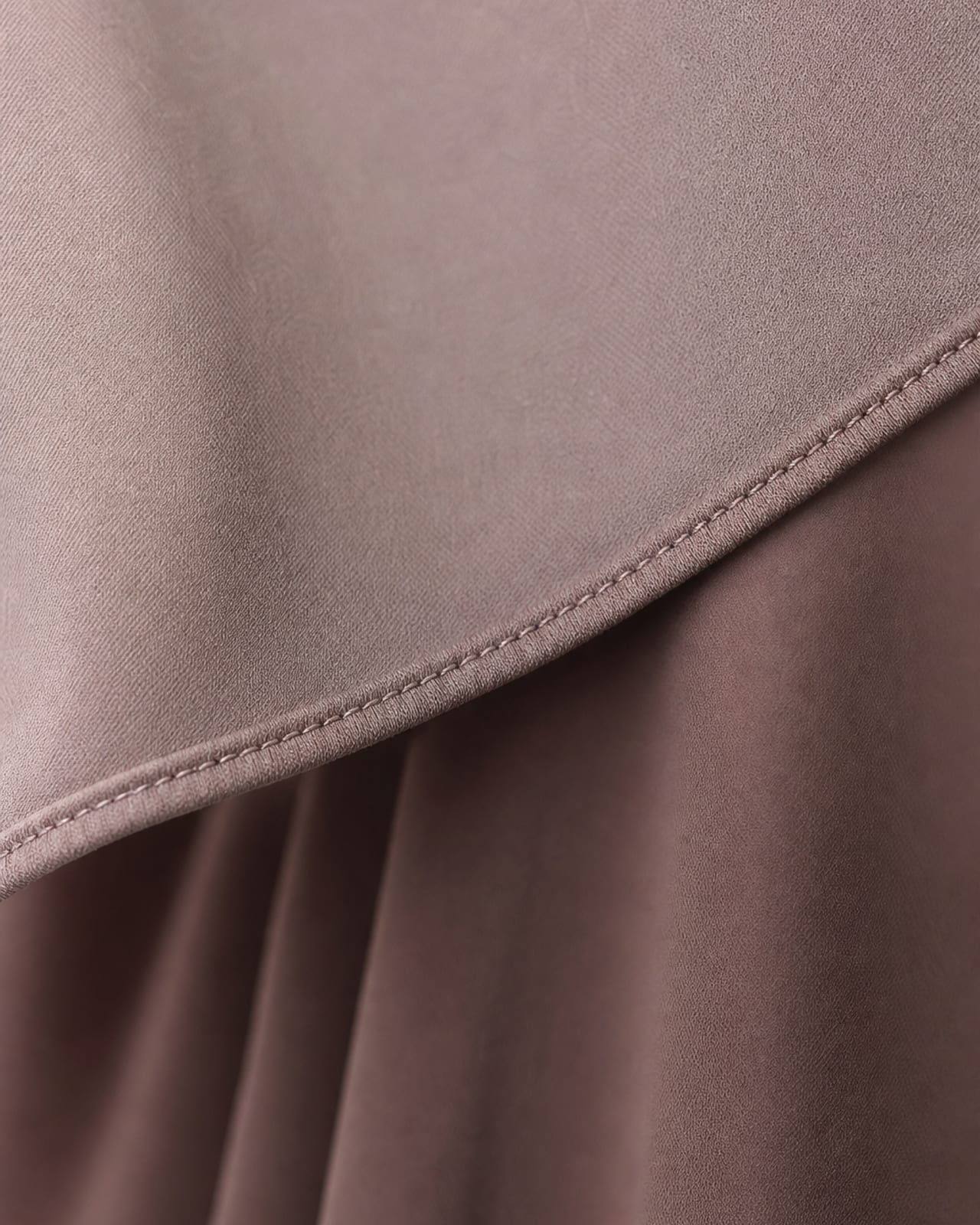
A hijab edge is the difference between a garment that hangs cleanly and one that flares or curls. The finish is chosen for the fabric and the look you want, then confirmed on the sample so every piece in the batch behaves the same way.
- Stitched edge — durable and predictable, with stitch density checked
- Narrow hem — a finer look where the fabric allows it
- Corner treatment agreed, since corners are where a hijab is most often criticised
- Edge behaviour re-checked after washing on the sample, not assumed from the swatch
Building a colour range that reorders
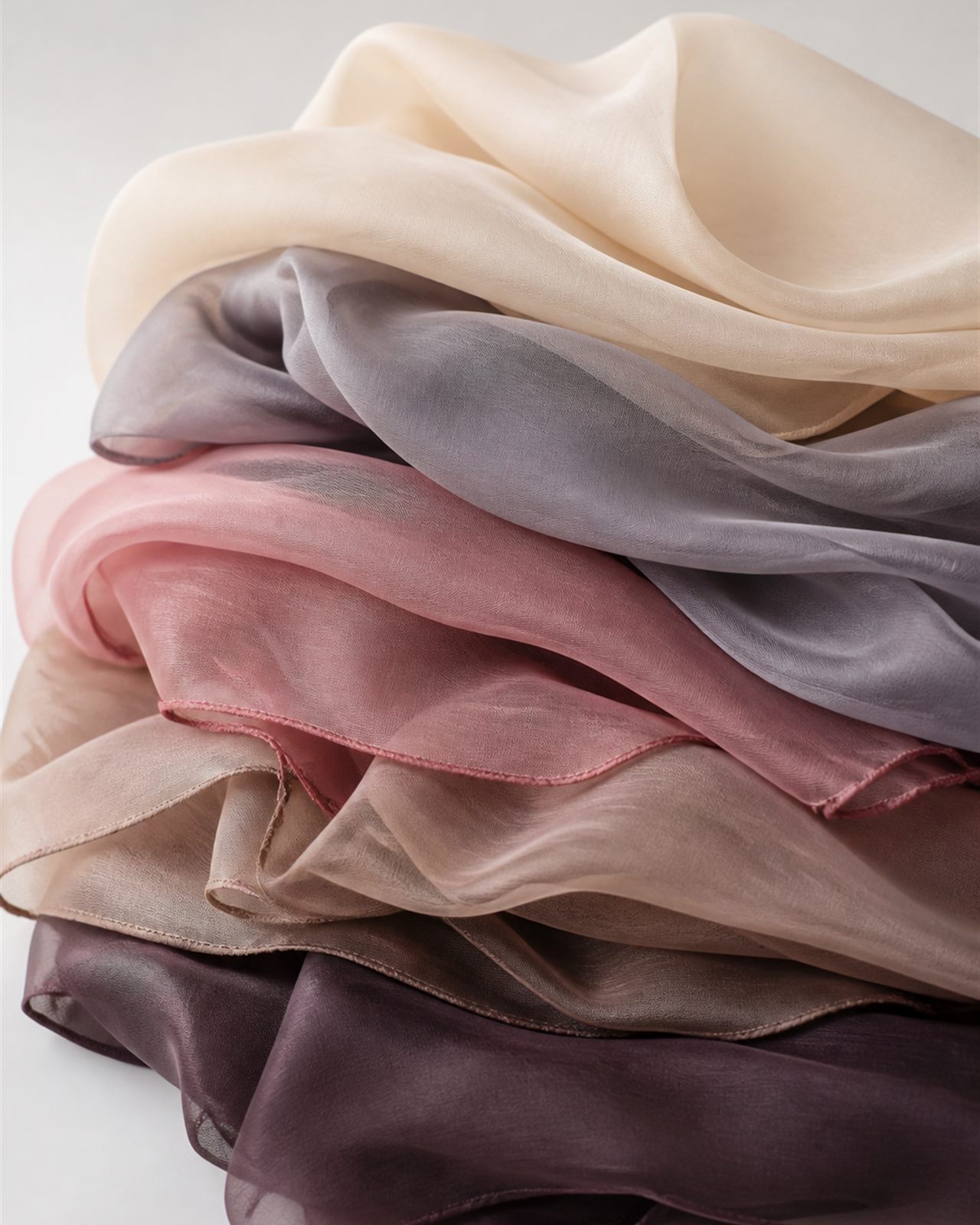
Hijabs are bought in colour depth rather than in single pieces, so the mix is the product. A range that starts with core neutral shades and then adds two or three seasonal colours usually outperforms an even spread across many shades.
- Core shades first, because they are the ones that get reordered
- Seasonal shades added in smaller depth to test interest
- Shade consistency across the range, so a customer can buy two colours and wear them together
- Contrast between neighbouring shades in the range, so the retailer can show variety on a small display
Private label on a hijab line
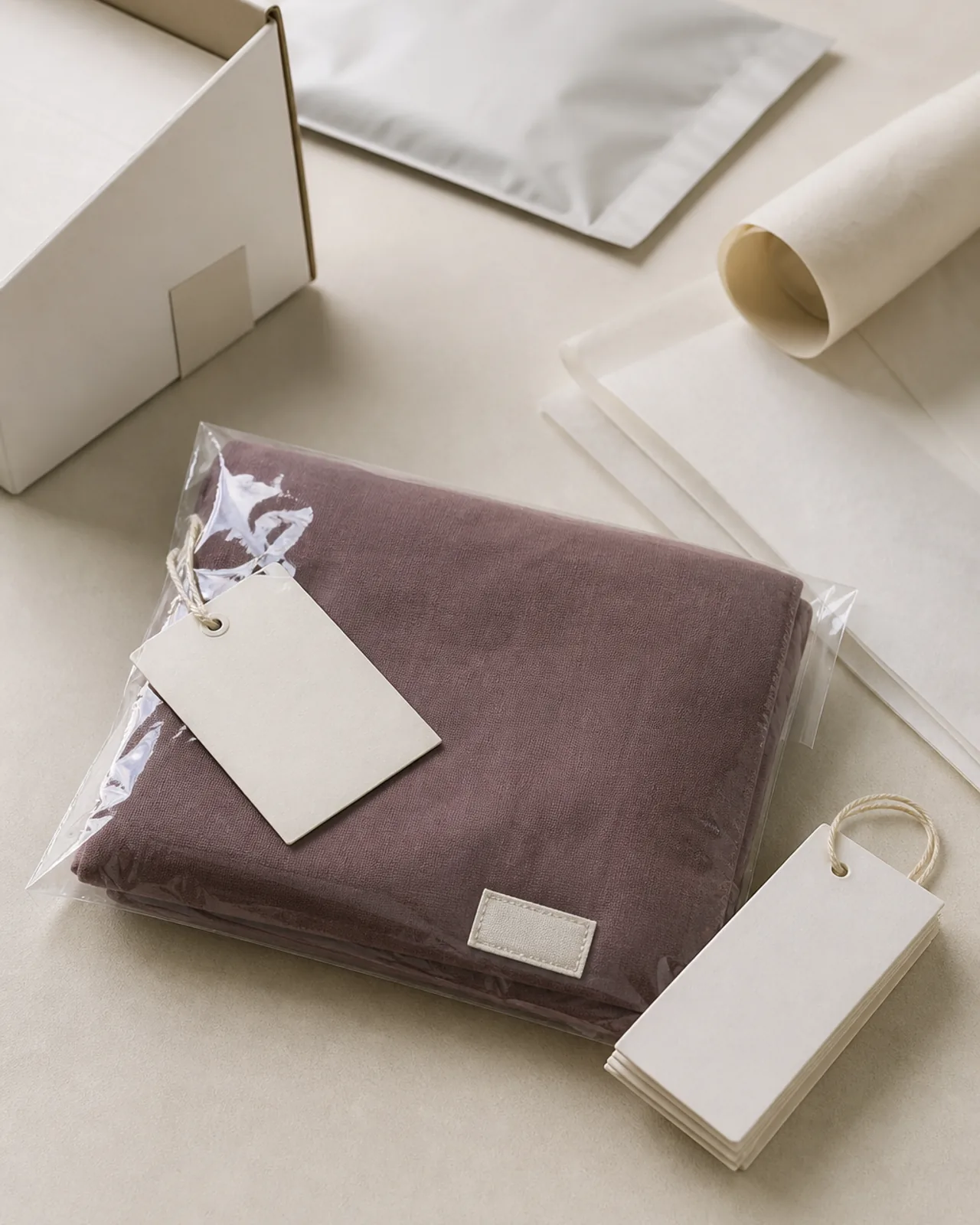
Hijabs are the simplest product in the range to brand, because there is no fit to compromise. A woven label, a printed care label and a header card are usually enough, and the packaging can carry your size and colour information so the retailer does not have to.
- Woven label, printed label and care label produced to your specification
- Header card or printed poly bag carrying your brand and colour name
- Custom cut size for a signature shape that is recognisably yours
- Full branding scope on private label
Inspecting a lightweight product properly
Small, light items are often inspected loosely, which is exactly where quality problems hide. Each check below is done on the flat, because a hijab that is wrong by a small amount is very visible when it is worn.
- Flat measurement across the batch, against the agreed cut dimensions
- Edge and corner check for gathers, skipped stitches and untrimmed threads
- Opacity check on lighter shades, held over a dark layer
- Shade check piece to piece and batch to batch
- Hand feel check, because a batch with the wrong finish is immediately noticeable to the customer
Packing and shipping a hijab order
Hijabs take up little space, which makes them an efficient product to add to a mixed order — they fill carton space and raise the order value without adding much weight. Packing is still done to your instruction, with labels and colour information applied during packing rather than after arrival.
- Poly bag as standard, printed bag or header card on request
- Folded and packed to a consistent size for easy retail handling
- Packing list by style, colour and cut size
- Combined with abayas and accessories on one wholesale shipment to reduce the shipping cost per unit
Specifications
| Fabric | Modal |
|---|---|
| Composition | To be confirmed with your enquiry |
| Weight | To be confirmed with your enquiry |
| Color | Built as a colour range to your reference, with swatches approved before bulk |
| Size | Cut dimensions agreed per order, since hijab sizing is sold differently in each market |
| Length | Confirmed per order as a cut measurement on the flat hijab, not as a letter size |
| Sleeve | To be confirmed with your enquiry |
| Style | Flat cut hijab, rectangular or square according to your market |
| Decoration | None as standard; printing or an embroidered corner mark on request |
| Closure | To be confirmed with your enquiry |
| Lining | To be confirmed with your enquiry |
| Packaging | Poly bag as standard; printed poly bag, header card or retail packing on request |
Wholesale Information
| MOQ | Contact us for current MOQ |
|---|---|
| Sample | Lead time depends on design and order quantity |
| Price Tier | Quoted per order; fabric quality, size, colour count and quantity move it |
| Customization | Colour, cut size, edge finish, label, hang tag and retail packaging |
| Production | Lead time depends on design and order quantity |
| Packaging | Poly bag as standard; printed or retail-ready packing on request |
| Shipping | Consolidated shipment with packing list; terms and documents confirmed per destination |
OEM / ODM Options
- Custom Color
- Custom Size
- Custom Label
- Custom Hang Tag
- Custom Packaging
- Embroidery
- Beading
- Rhinestone
Quality Details
| Size tolerance | Each hijab measured on the flat against the agreed cut dimensions, checked across the batch rather than on one piece |
|---|---|
| Stitching | Edge and corner stitching checked for skipped stitches, gathered edges and loose threads after finishing |
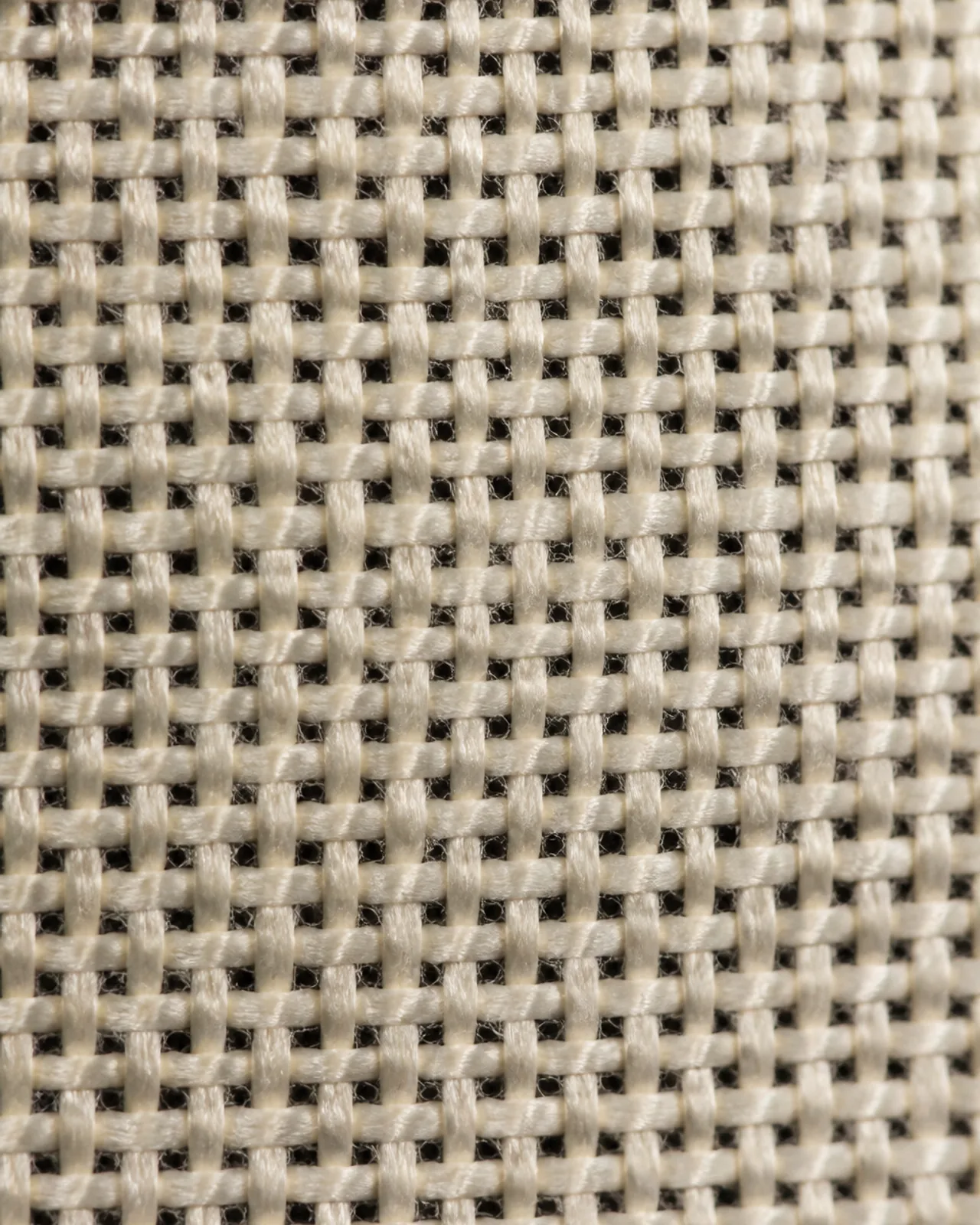
| Fabric | Checked against the sealed reference for hand feel, opacity and surface faults before cutting |
| Color inspection | Every shade in the range compared with its approved swatch under controlled lighting before packing |
Frequently asked questions
Modal is softer and more opaque with a matte finish; [jersey](/fabrics-jersey/) has stretch and behaves more like a fitted piece. Buyers often stock both, since the two serve different customers. The comparison pages explain the difference in wear.
Yes. Sizes are agreed as cut measurements on the flat rather than as letters, so the hijab your customer receives matches the styling in your photographs. Send the dimensions you want and we confirm them on a sample.
Printing is possible on modal where the design suits the surface. Printed ranges are usually developed as a separate line from plain colours, and the print is checked against your artwork at sample stage.
Modal needs less pressing than lighter fabrics, but the answer depends on the edge finish you choose. The sample is washed before approval so you can see how the edge behaves in normal use rather than on a fresh piece.
A mixed colour range is normal for hijabs, since the product is sold by colour. The practical limit is set by the order size rather than by production, so tell us your market and we will suggest a range that is deep enough to sell.
Planning your next modest fashion collection?
Tell us these seven things and we can come back with a workable sourcing plan instead of a price list.