Modal fabric for wholesale hijab and modest ranges
Modal is the hijab fabric buyers reach for when they want a soft, fluid hand and a price point above plain jersey. Here is what it feels like, how it behaves in a hijab, and what to confirm before ordering.
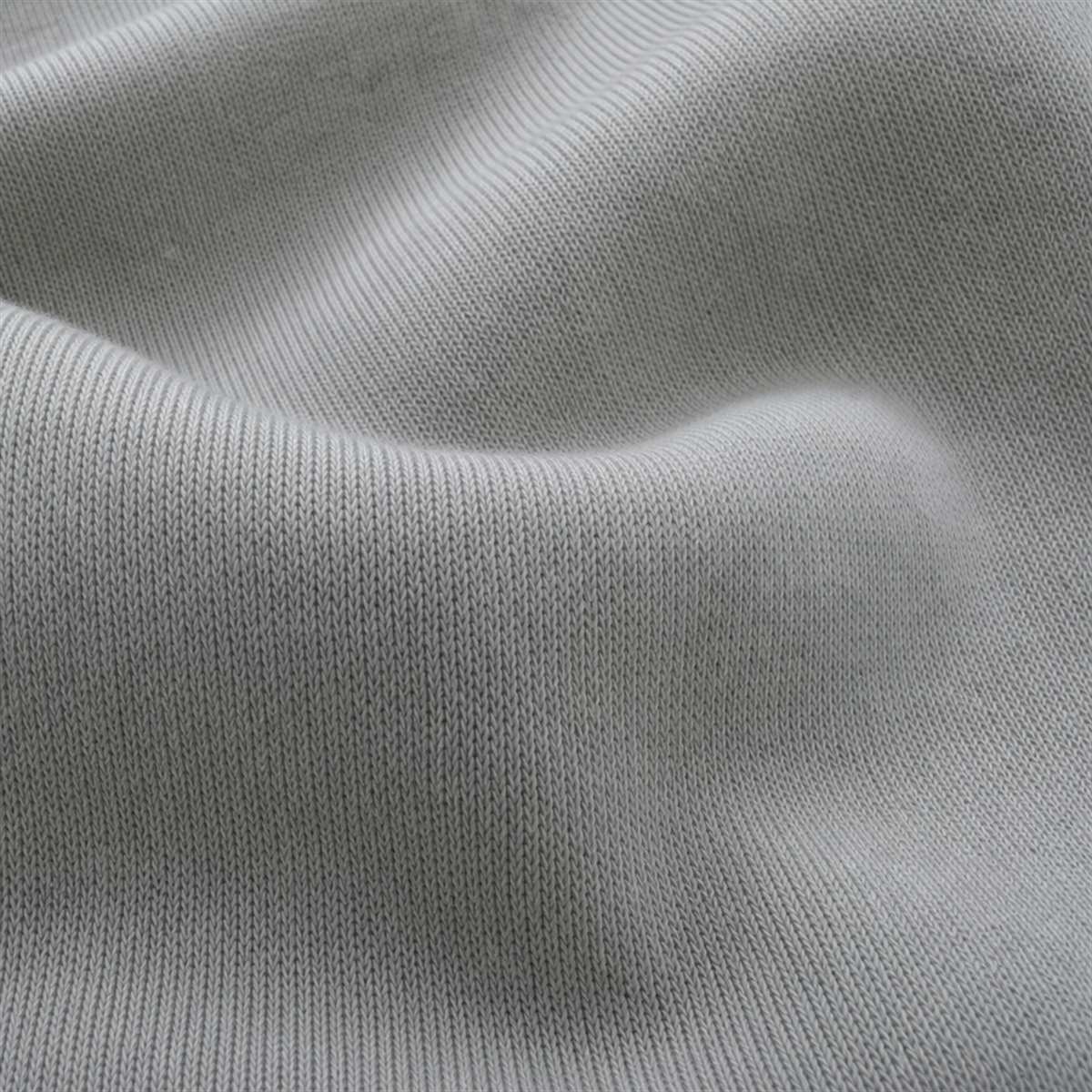
What modal feels like
Modal is a regenerated cellulose fibre, and it feels like the fine end of knitwear: soft, smooth and slightly cool against the skin, with a fluid fall and no surface shine. In a hijab it sits close to the head and stays where it is placed.
The fibre blend varies between mills, and so does the hand. Two modal hijabs at the same price can feel noticeably different, which is why the sample matters more here than the fabric name.
- Soft, fluid hand with a slight cool touch
- Holds a fold without stiffness — it drapes rather than stands
- Does not slip off the head the way a slick woven can
- Fiber blend and weight vary by mill: confirmed per order
The twelve questions buyers ask about modal
| Buyer question | Answer for modal |
|---|---|
| What does it feel like? | Soft and smooth, slightly cool, with a fluid fall. It reads as a comfortable fabric rather than a dressy one. |
| Is it breathable? | Yes, and noticeably better than a plain synthetic of the same weight. Moisture moves through it, which is why it sells well in humid markets. |
| Is it opaque? | At hijab weight, yes. A very light modal in a pale colour can be semi-sheer, so if coverage matters, confirm the weight band for your order. |
| Does it wrinkle? | Very little. It recovers from folding and needs minimal ironing — an advantage for boutiques who sell online and ship individual pieces. |
| What season? | Year round. It is one of the better choices for hot, humid summer wear and it layers into cooler markets. |
| Best for which product? | Hijab above all, then inner caps, underscarves and light modest sets. |
| Approximate weight range? | Supplied in a light to medium band. Gram weight and fibre blend are confirmed per order. |
| How does it drape? | Softly, with no stiffness. It follows the head and the shoulders instead of creating volume, which makes it easy to style in several ways. |
| Suitable for embroidery? | Less suited than a woven abaya fabric. The knit structure does not hold dense machine embroidery as firmly, so decoration is usually limited to light placement or a small motif. |
| Suitable for printing? | Yes. Printed modal is a normal range extension and prints take cleanly on the smooth surface. |
| Suitable for hot climate? | Yes. It is one of the more comfortable hijab fabrics in humid heat, especially in a light weight. |
| Suitable for premium collection? | Yes. Modal normally sits above basic jersey in a range and can be positioned higher again with a heavier weight, a better finish and gift packaging. |
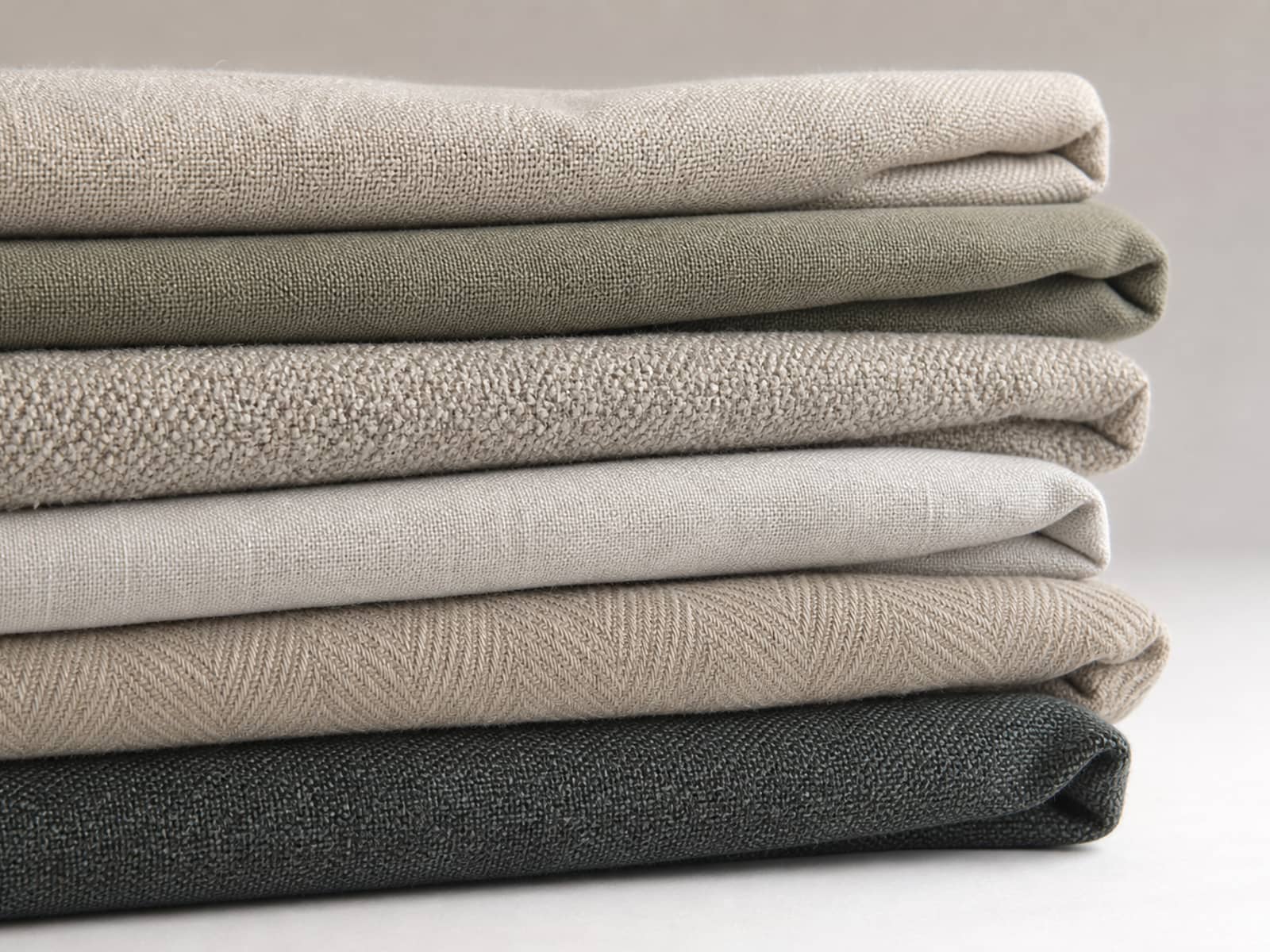
Modal, jersey or chiffon? How buyers choose
These three fabrics cover most hijab demand, and the choice is usually about the styling the customer wants rather than about quality.
| Fabric | What the customer gets | Watch out for |
|---|---|---|
| Modal | A soft, fluid hijab that holds its place with minimal styling and needs little ironing | Hand-feel varies between mills, so approve the exact roll you will produce from |
| Jersey | Stretch, everyday comfort and the lowest care requirement of the three | Stretch means the finished measurement depends on how the piece is relaxed before measuring |
| Chiffon | A light, layered look with movement and volume | It is sheer, so plan an underscarf or a lined edge before bulk |
Weight, blend and what we confirm per order
Send the hand-feel you are aiming for and the market you are selling into, and we confirm weight band, blend and width for your order before sampling.
Modal is a fibre family, not one fabric. Weight, blend and finish differ between mills, and a range that was built on one mill's modal will feel different if the specification is not held. We confirm the specification for your order in writing rather than publishing a figure that may not apply.
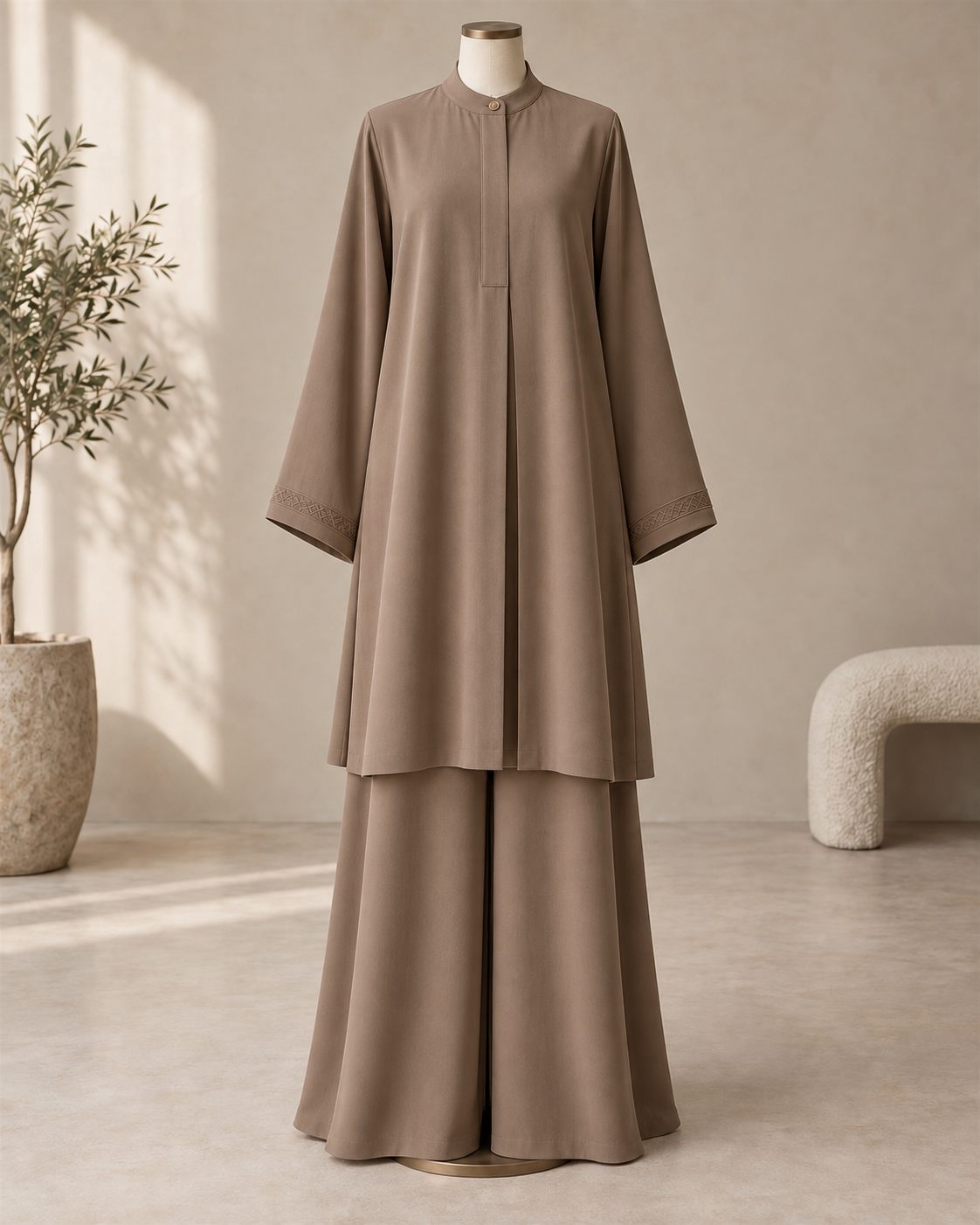
Which products buyers make in modal
- Hijab ranges, plain and printed; see modal hijab wholesale
- Inner caps and underscarves sold with the hijab as a set
- Instant and pre-shaped hijab styles where the fabric holds a fold
- Light modest sets and tops where a soft drape is wanted
- Private label hijab collections with your own label and packaging
Printing, finishing and decoration on modal
Printing suits modal well; embroidery suits it less than it suits a woven abaya fabric. Edge finishing matters more than decoration here, because the customer sees the hem and the seam of a hijab every time it is worn.
- Printed modal: a standard range extension, refreshed by season
- Edge finish: rolled or overlocked, agreed at sample stage
- Light embroidery or a small motif: workable, test on a panel first
- Beading: not recommended on a stretch hijab
- Labels: a soft woven label is usually more comfortable than a printed one at the hem
Season, climate and market fit
Modal is an all-season fabric, but it earns its place in humid heat where a plain synthetic feels clammy. In cooler markets the same hijab sells as a comfortable everyday piece, and the range is extended with darker colours and heavier weights rather than a different fabric.
- Southeast Asia: a core everyday fabric in humid conditions
- Gulf and Middle East: everyday and gifting ranges
- Western markets: lifestyle hijab in neutral and seasonal colours
- Cooler markets: darker colours, medium weight, layered styling
Premium positioning and price level
Modal usually sits above basic jersey and below a satin occasion piece. What moves it upward is not the fibre name but the finish: a clean rolled edge, a soft label, matched colour between label and fabric, and packaging that matches the price you are asking. Buyers building a premium hijab group usually get more from those details than from changing the fabric.
Sampling and ordering modal
MOQ: contact us for current MOQ on the style you are considering. Lead time depends on design and order quantity, and fabric specification is confirmed per order.
Tell us the market, the styling and the price level you are selling into.
Confirm the modal: weight band, blend, colour and finish.
Confirm the size and shape, with measurements taken on the relaxed garment.
Approve the sample on the actual roll, including the edge finish and label.
Bulk production, inspection and packing to the approved sample.
Frequently asked questions
Yes. It is soft, fluid and stays in place without stiffness, and it needs very little ironing — which matters for boutiques shipping single pieces. The main variable is hand-feel between mills, so approve the exact specification you will produce from.
At hijab weight it is opaque. A very light modal in a pale colour can be semi-sheer, so if your market wears pale shades in a single layer, confirm the weight band for your order before sampling.
They solve different problems. Jersey gives stretch and everyday comfort with almost no ironing; modal gives a softer, more fluid hand and a slightly more considered look. Many buyers carry both and let the customer choose.
No. It recovers from folding well and normally needs only a light steam after unpacking. Heavier weights hold a fold slightly longer, but care requirements stay low compared with a flat woven fabric.
Yes. Printing is a standard modal application. The artwork is developed against the fabric you order, and each new print goes through artwork approval and a sample before bulk.
Contact us for current MOQ. It depends on the style, the print or plain option and whether the item is ready stock or made to order. Lead time depends on design and order quantity, so timing is confirmed per order.
Planning your next modest fashion collection?
Tell us these seven things and we can come back with a workable sourcing plan instead of a price list.