Modal Hijab Wholesale: Buying the Fabric, Not Just the Colour
Modal is the fabric customers reorder by name. If you are sourcing hijabs wholesale, here is what modal does, who it suits, and what to specify before sampling.
What modal is, from a buyer's point of view
Modal is a regenerated cellulosic fibre, in the same family as viscose but engineered for a softer handle and better dimensional stability. Buyers do not need the chemistry; they need to know what it does to a hijab on a customer's head.
In practice modal behaves like the mid-point between jersey and chiffon. It has the softness and slight stretch-relief of a knit without the sporty look, and the fluid drape of a woven without the slipperiness. That combination is why it has become a default in premium everyday hijab ranges.
- Soft hand-feel that survives washing better than plain viscose
- A measured drape — fluid, but not so slippery that it slides off
- Natural resistance to creasing, which matters for retail and travel
- Breathable in a range of climates, so it is not a one-season fabric
Why it holds: grip is the number one reason customers reorder
Ask any hijab retailer why a style comes back for a second purchase and the answer is almost always the same: it stays where she puts it. Chiffon looks beautiful and needs pinning; jersey grips but reads casual; modal sits in between and holds with minimal fuss.
This is a fabric property, not a finishing trick. It comes from how the surface interacts with hair and with the layer underneath, so if you switch fabric to save cost, you are changing the single feature that generated the reorder.
- Holds position with light pinning rather than heavy pinning
- Does not feel slippery against the hair
- Works without an underscarf for many customers, though some will still wear one
- Consistent from piece to piece within the same production lot
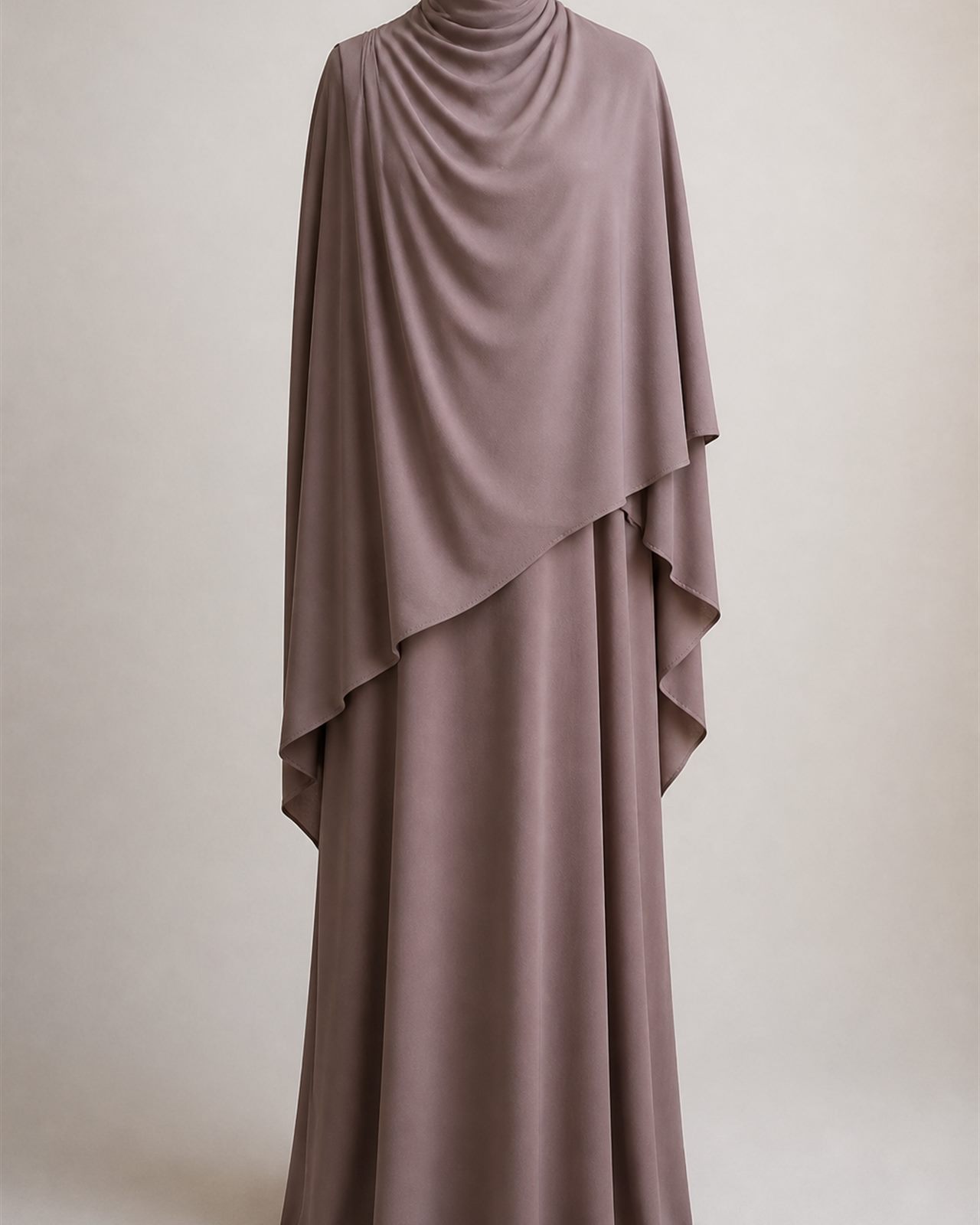
Drape, coverage and how modal sits on the head
Modal falls close to the head and shoulders rather than standing away from them. That makes it forgiving to style, and it also means coverage is governed by the fabric weight you choose rather than by how many layers the customer adds.
If you are selling into a market where customers expect full coverage from a single layer, specify a denser modal at the sampling stage. If you are selling into a market that layers, a lighter modal drapes more elegantly. This is one of the few fabric decisions a buyer can settle with a single swatch comparison.
| Fabric | Handle | Grip and wear | Best suited to |
|---|---|---|---|
| Modal | Soft, fluid, slightly weighted | Holds well with light pinning | Premium everyday ranges sold online |
| Jersey | Stretch knit, casual | Excellent grip, minimal ironing | Everyday and active use |
| Chiffon | Light, airy, with movement | Slippery, needs pinning or layering | Occasion and formal looks |
| Cotton voile | Dry, breathable, traditional | Firm hold, benefits from pressing | Hot and humid markets |
Creasing, travel and why this matters for online retail
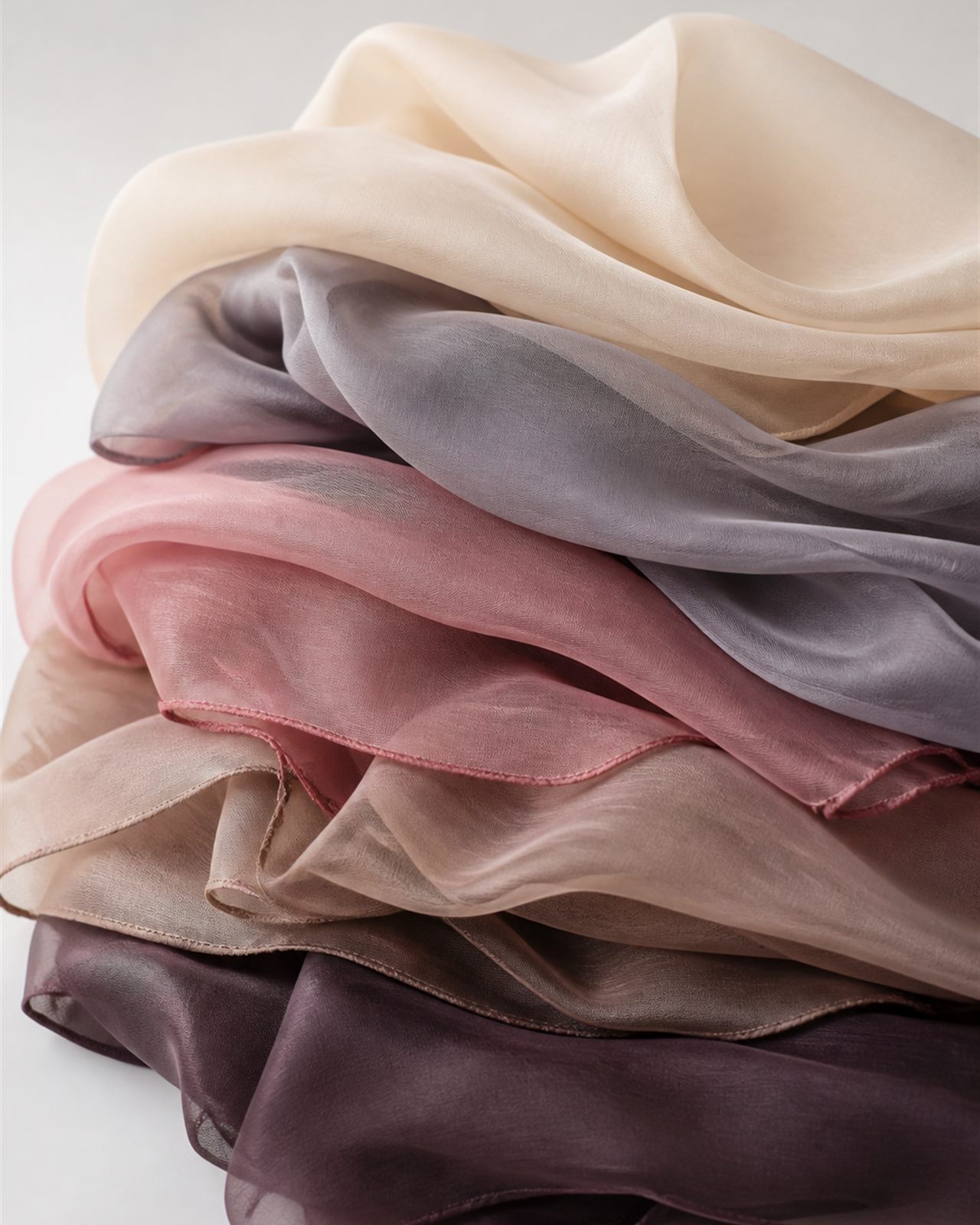
A hijab that arrives creased creates two problems: a return risk on the first order, and a photograph problem on every product image after it. Modal's resistance to creasing is one of its least advertised commercial advantages.
It also survives packing better than crisp wovens, which means the piece looks close to how it was folded when the customer opens the parcel. If most of your sales are shipped rather than sold off a rail, weight this heavily in your fabric choice.
- Folds and unfolds with minimal marking
- Suitable for flat-packed e-commerce shipping
- Photographs well without heavy steaming
- Keeps its appearance through repeated wear and washing
Which markets buy modal, and which do not
Modal sells strongest where customers buy hijabs as fashion rather than as a basic, and where the price point allows a premium over jersey. That typically means Western markets, urban Gulf retail, and online boutiques with a design-led customer.
It is a slower sell in markets built around traditional cotton voile and square formats, where the customer's habit, not the fabric quality, decides the purchase. In those markets, lead with cotton voile hijabs and treat modal as an upgrade range.
- Online boutiques with a design-led, repeat customer base
- Gift and occasion retail where hand-feel carries the price
- Cool and temperate climates, where breathability is a comfort issue rather than a necessity
- Markets where layering is uncommon and a single-layer hijab must look finished
What to specify when ordering modal hijabs wholesale
Never approve a modal colour from a photograph. Approve it on a swatch of the modal you will actually produce in.
Two suppliers can both sell you modal and give you different products. Modal is a fibre family, and what you receive also depends on the construction, the finishing and the colouring. Specify these points rather than just naming the fibre.
- Weight preference — lighter for drape, denser for single-layer coverage
- Format and dimensions — square side, shawl length, or instant construction
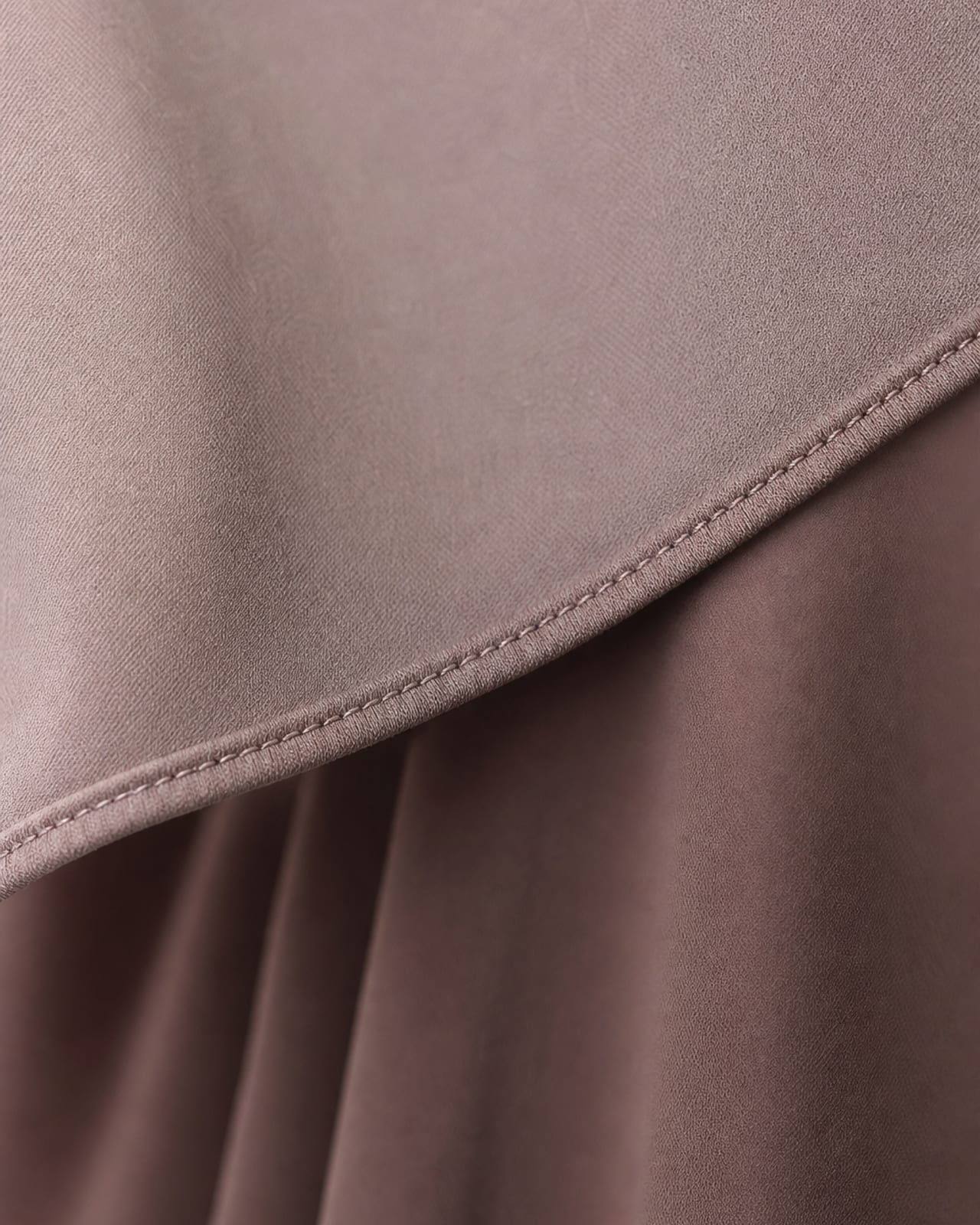
- Edge finish — the hem treatment decides how the piece sits and how long it lasts
- Colour range — core neutrals plus the seasonal shades you want
- Colour standard — a physical swatch, because screen colour is not a specification
- Packing level — bulk fold, retail fold, banded or boxed
- Fringed, plain or embellished edge, if the styling calls for it
Care communication and label wording
Modal is easy to care for, and that is part of its value — a few clear instructions protect the customer's experience and reduce the chance of a complaint about a piece that was washed badly.
The care label should reflect the actual finishing of the garment you received, not a generic template. If you are producing a private label hijab range, decide the care wording at artwork stage so the printed label matches the product.
- Washing instructions that match the finished garment
- Drying guidance, since heat affects cellulosic fabrics
- Ironing guidance, which is where modal's advantage is most visible to the customer
- Any content or origin statement your market requires on textile products
Quality points that are specific to modal
Modal's quality risks differ from chiffon's or voile's. Buyers who inspect a modal order using the checks they use for other fabrics will miss the ones that matter here.
- Surface pilling — checked after wear and wash testing, not only on arrival
- Dimensional stability — checked by washing a sample and re-measuring it
- Edge finishing — a wavy or twisted hem shows immediately on a fluid fabric
- Shade consistency — checked across the whole lot, since close tones show variation
- Snags and pulls — more visible on a smooth surface than on a textured one
- Handle consistency — the lot should feel like the approved swatch, not just match its colour
Where modal fits in your hijab range
Treat modal as the mid-to-upper tier of a hijab range rather than the entry point. Use jersey hijabs for volume and everyday pricing, chiffon for occasion looks, and modal where you want the customer to feel the difference and come back for it.
If you are assembling the whole range, start from wholesale hijab for format and colourway planning, and read the modal fabric page for the physical properties behind the material.
Frequently asked questions
It depends on the weight you specify, and weight is a choice rather than a fixed property. If your customers wear a single layer without an underscarf, ask for a denser modal and check the coverage on a sample in your own hands before committing to bulk.
Holding position is modal's main commercial advantage — it grips considerably better than chiffon, which is why customers who try it often reorder by fabric name. Customers who are used to a very firm knit hold may still prefer jersey, so testing both in one market is a reasonable first order.
Modal behaves like an upgraded viscose: softer, more stable and less prone to creasing. Against jersey it is less stretchy and more formal-looking, which makes it suitable for premium everyday ranges rather than active or casual wear.
Contact us for current MOQ. Modal orders depend on the weight and colour range you choose, whether the format is ready stock or made to order, and whether printing, labelling or branded packing is applied.
Yes, and you should, because pilling and dimensional change are the two problems a visual inspection will not reveal. Ask for a swatch or a sample you can wash at home and re-measure before you place the production order.
No. The price varies with fabric weight, format, edge finishing, colour count, packing and quantity, so it is quoted per order. Send the specification and your destination and you will receive a price for that order.
Planning your next modest fashion collection?
Tell us these seven things and we can come back with a workable sourcing plan instead of a price list.