Jersey hijab — wholesale stretch hijabs
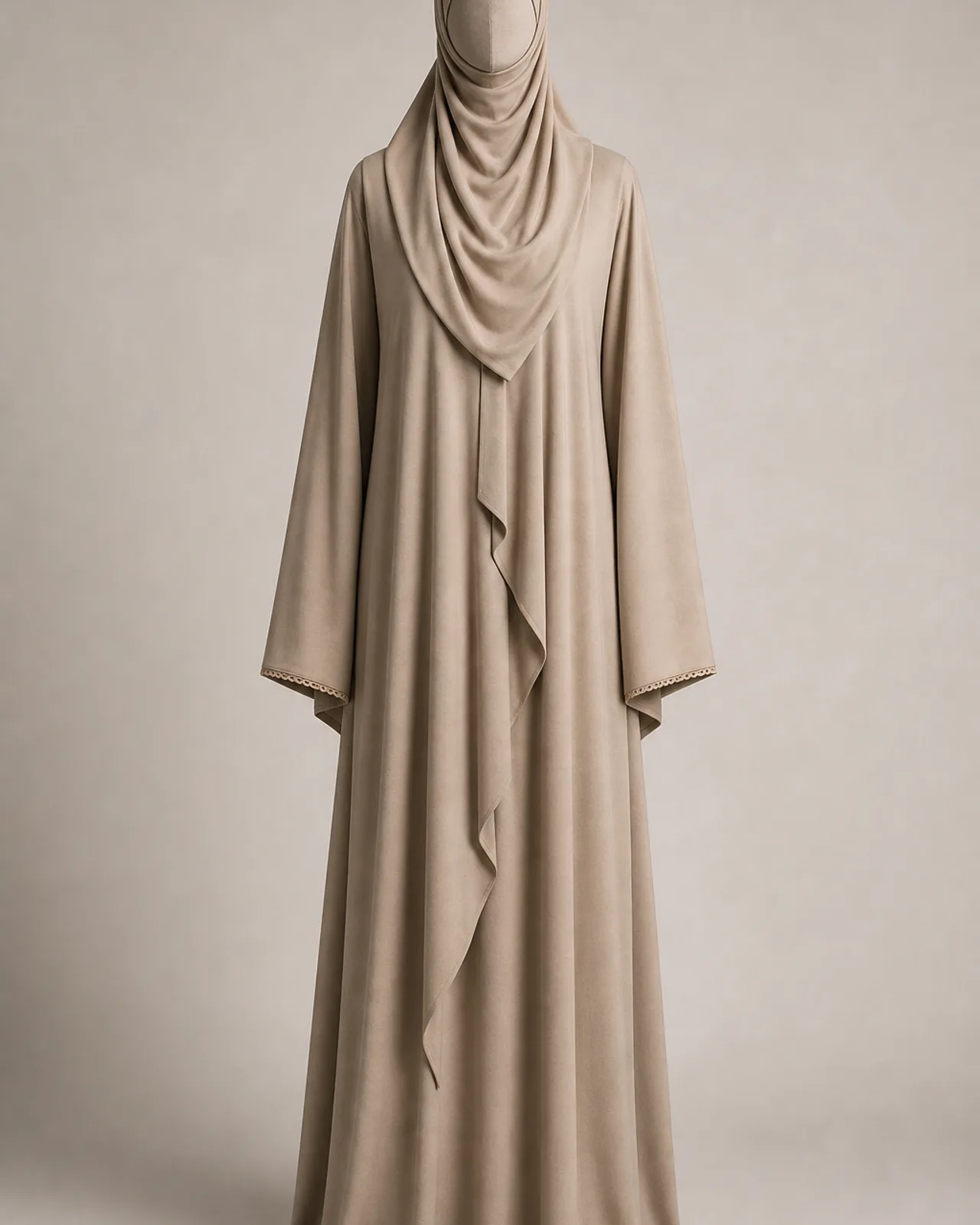
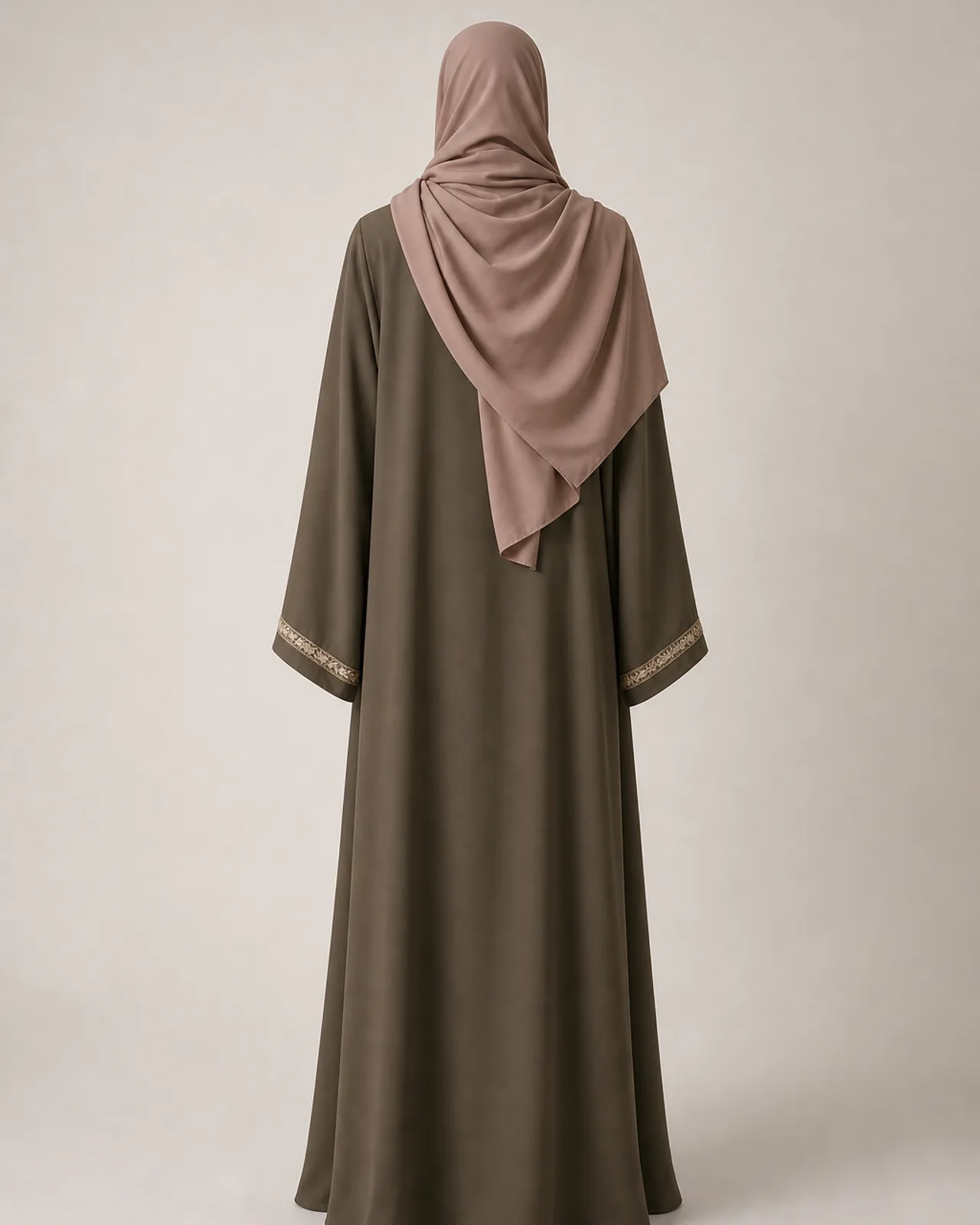
A stretch hijab that holds on the head without pins and keeps its shape through a working day. Supplied plain or printed, with your label and packaging.
What jersey gives a hijab that other fabrics do not
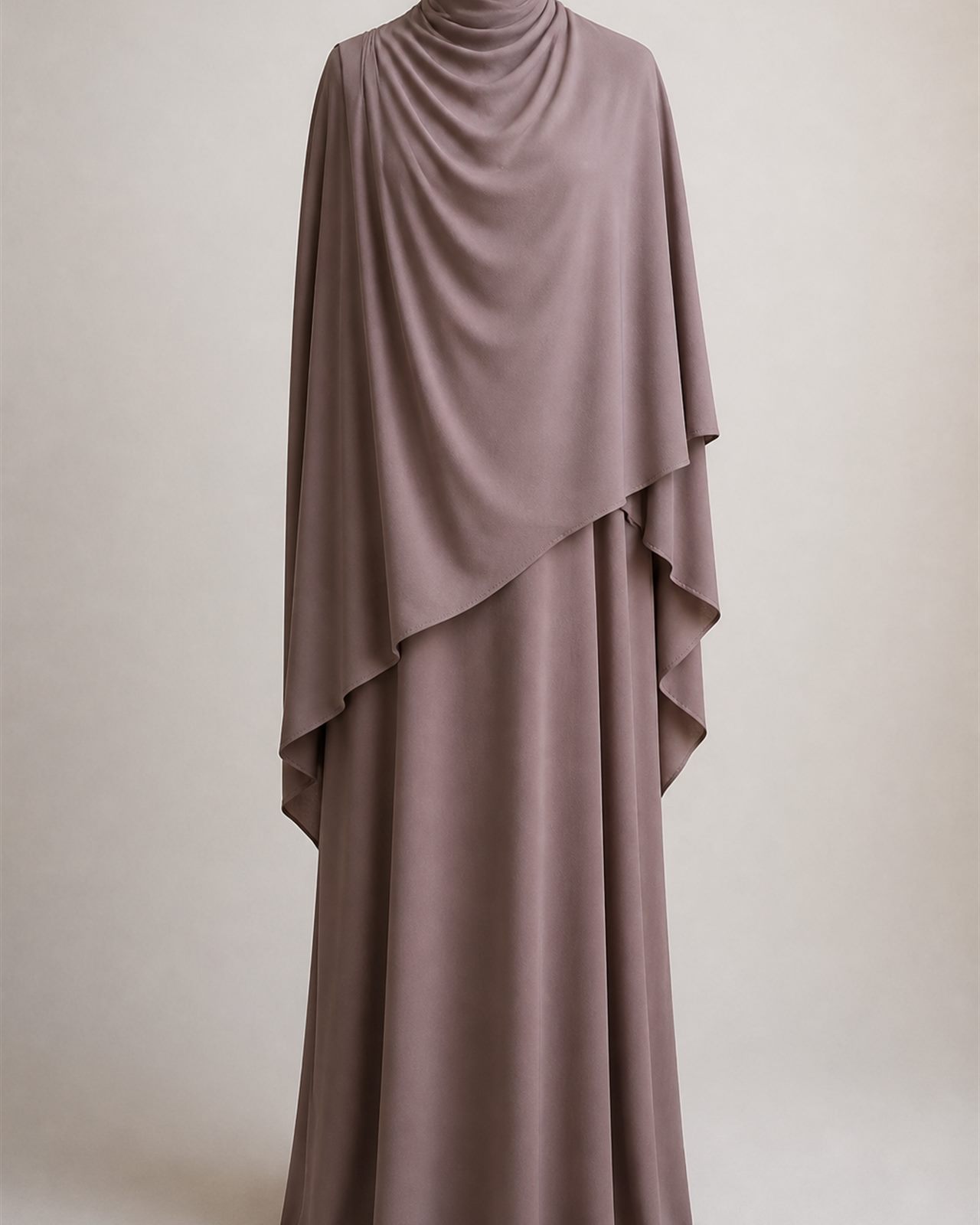
Jersey is the practical choice. It stretches over the head, grips without pins and keeps its position while the customer works, travels or manages children. Buyers who stock it usually position it as the hijab the customer reaches for on an ordinary day, next to a lighter fabric for occasions.
- Worn without pins, which removes a step from the customer's morning
- Stays in place through movement, so it suits work and travel
- Comfortable enough for long wear, including in warm climates where a knit is chosen for the way it breathes
- Compare it with the modal hijab if you are deciding between a knit and a woven fabric
Stretch recovery: the property that decides complaints
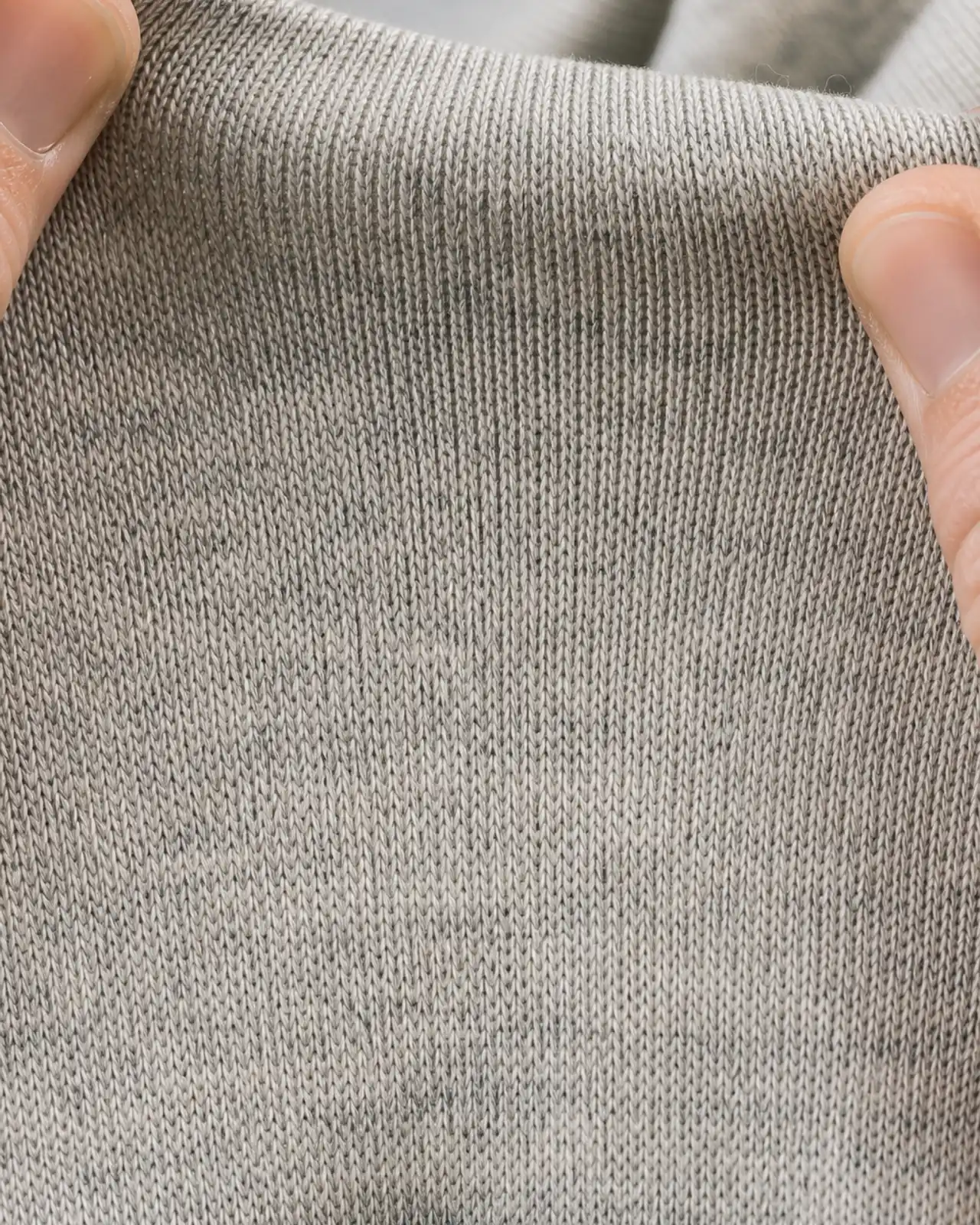
Every jersey hijab stretches; the question is whether it comes back. A knit that does not recover grows looser through the day and hangs differently after the first wash, which is the complaint buyers report most often on this product.
- Recovery checked on a stretched sample, so you see how the hijab returns to size
- Knit quality selected for the market, since a heavier knit and a lighter knit behave differently
- Cut dimension measured unstretched and relaxed, so the size you approve is the size your customer receives
- Washing and drying guidance confirmed on the sample and printed on the care label
Edge finishing and shape on a knit
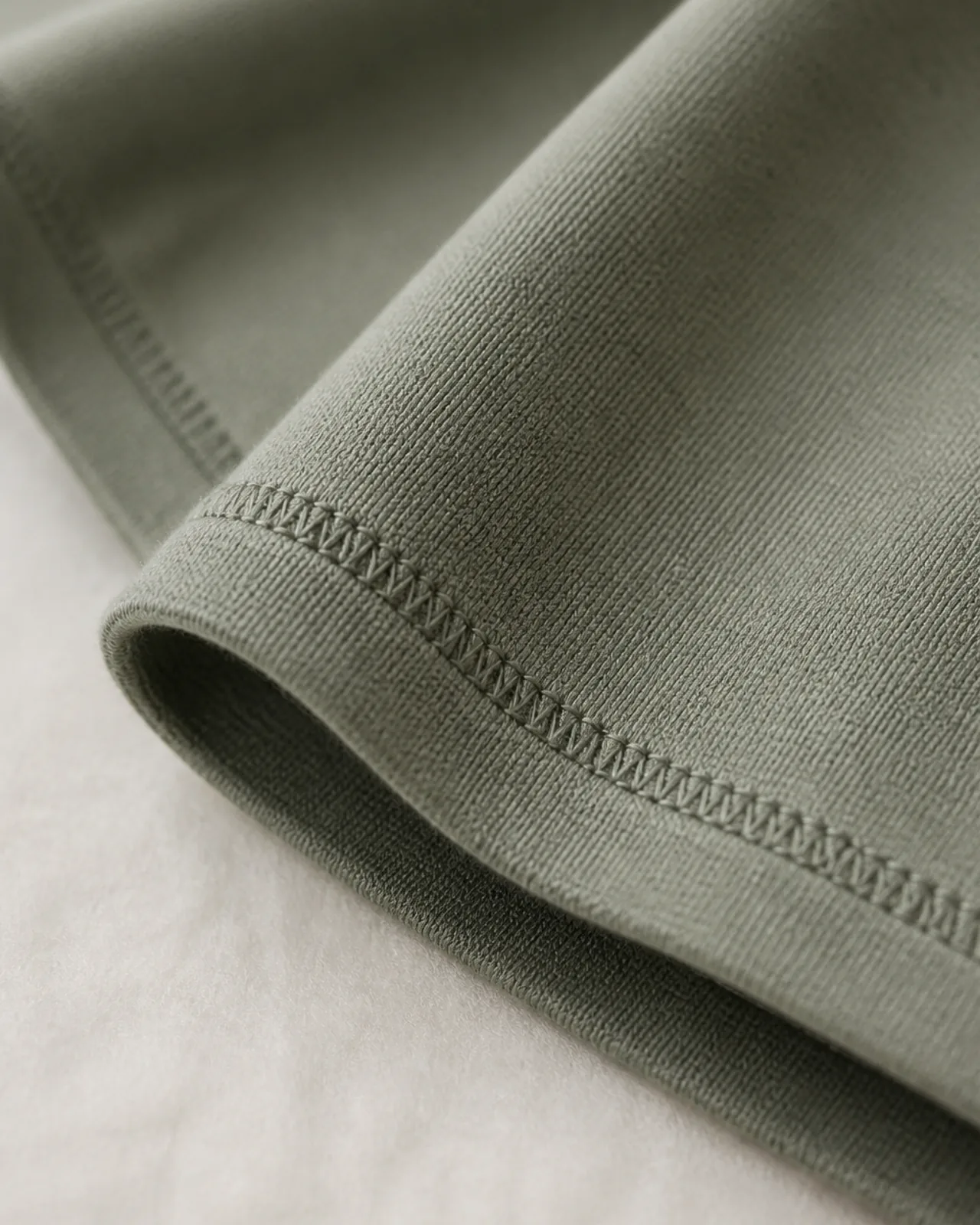
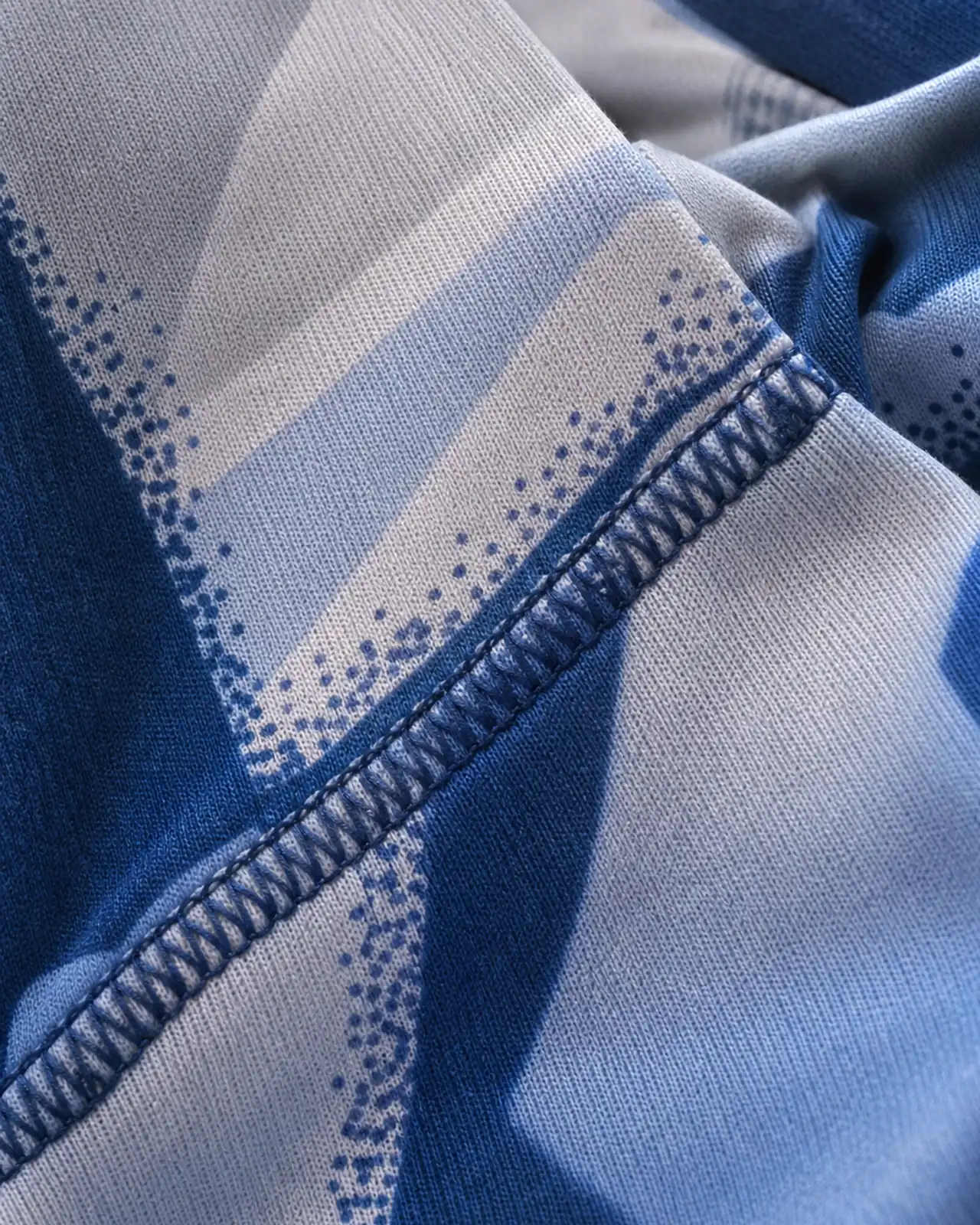
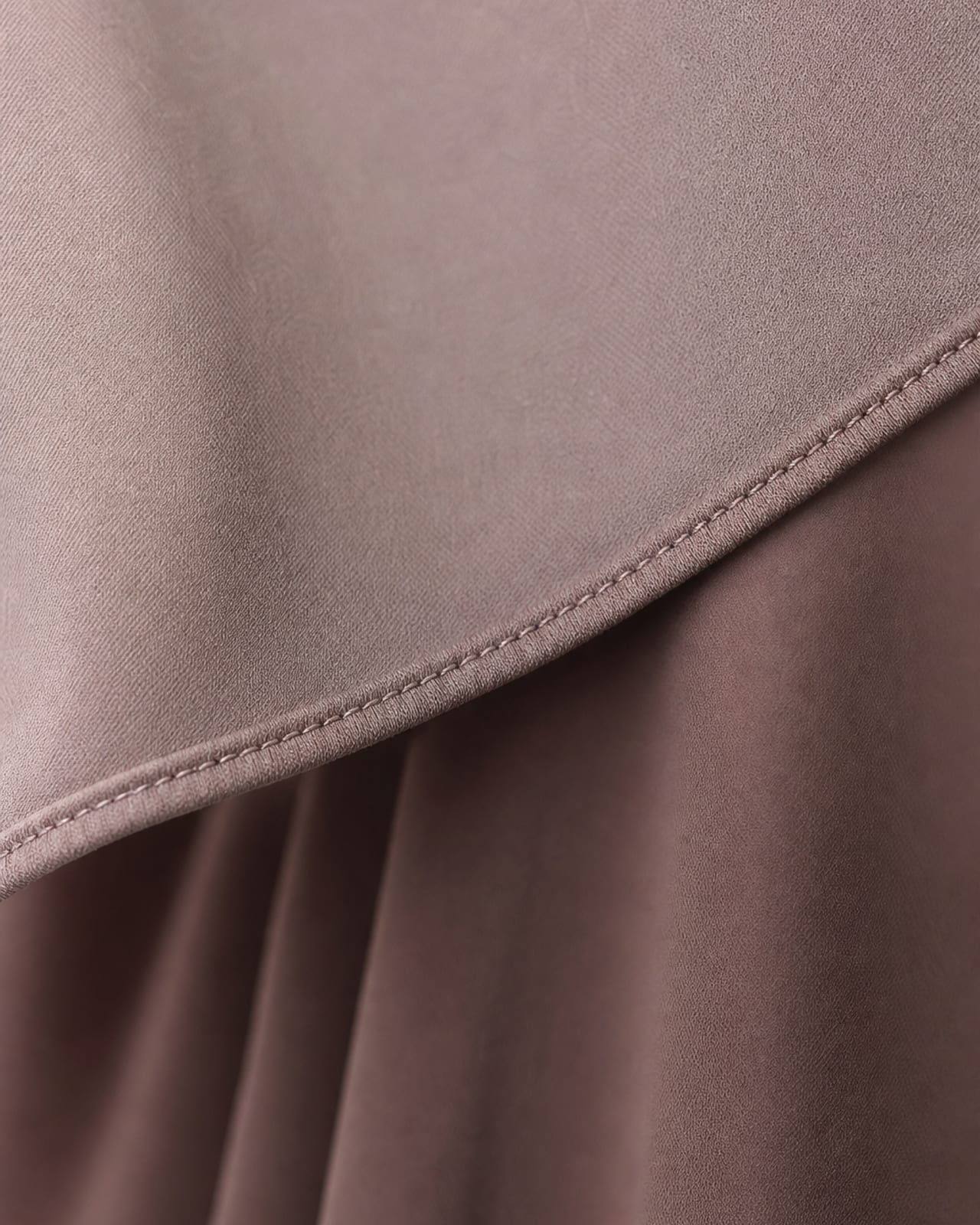
A knit edge wants to curl, so the finish has to hold it flat without stiffening the fabric and without killing the stretch. This is the detail that separates a jersey hijab that looks well made from one that looks unfinished.
- Edge finish agreed and tested before bulk, including behaviour after washing
- Stitch type chosen so the seam stretches with the fabric rather than breaking when the hijab is pulled on
- Corner shaping checked, since a heavy or soft hand changes how the hijab sits at the forehead
Planning an everyday range
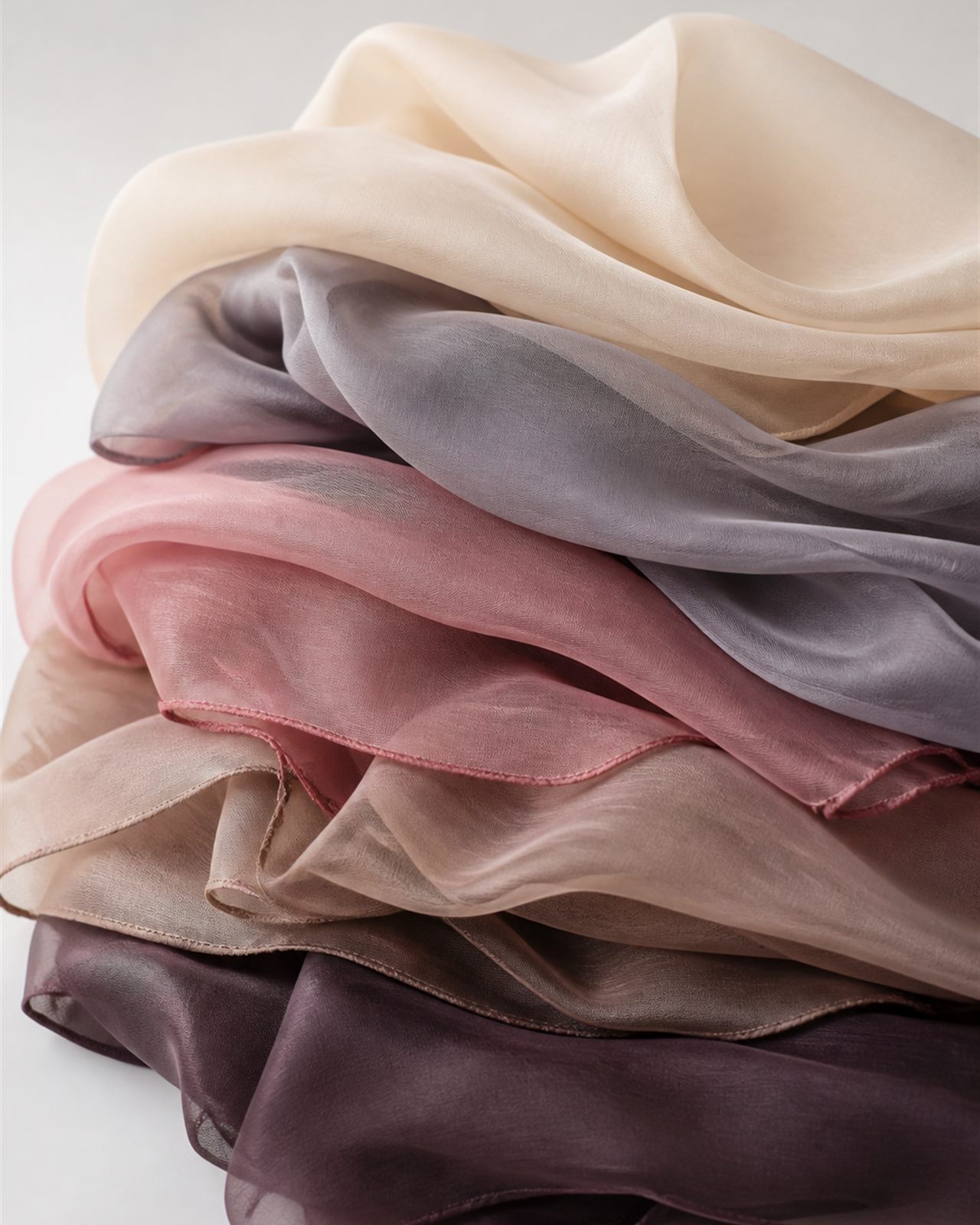
Jersey is usually the deepest colour range a buyer stocks, because it is the product a customer replaces most often. That makes depth on core shades more valuable than width across unusual colours.
- Core neutrals first, since they carry the repeat orders
- A small number of seasonal shades added to test demand
- Prints as a separate line, developed from your artwork and checked on the knit itself
- Sizing conventions covered in the size guide if you are selling into a new market
Private label on a jersey line
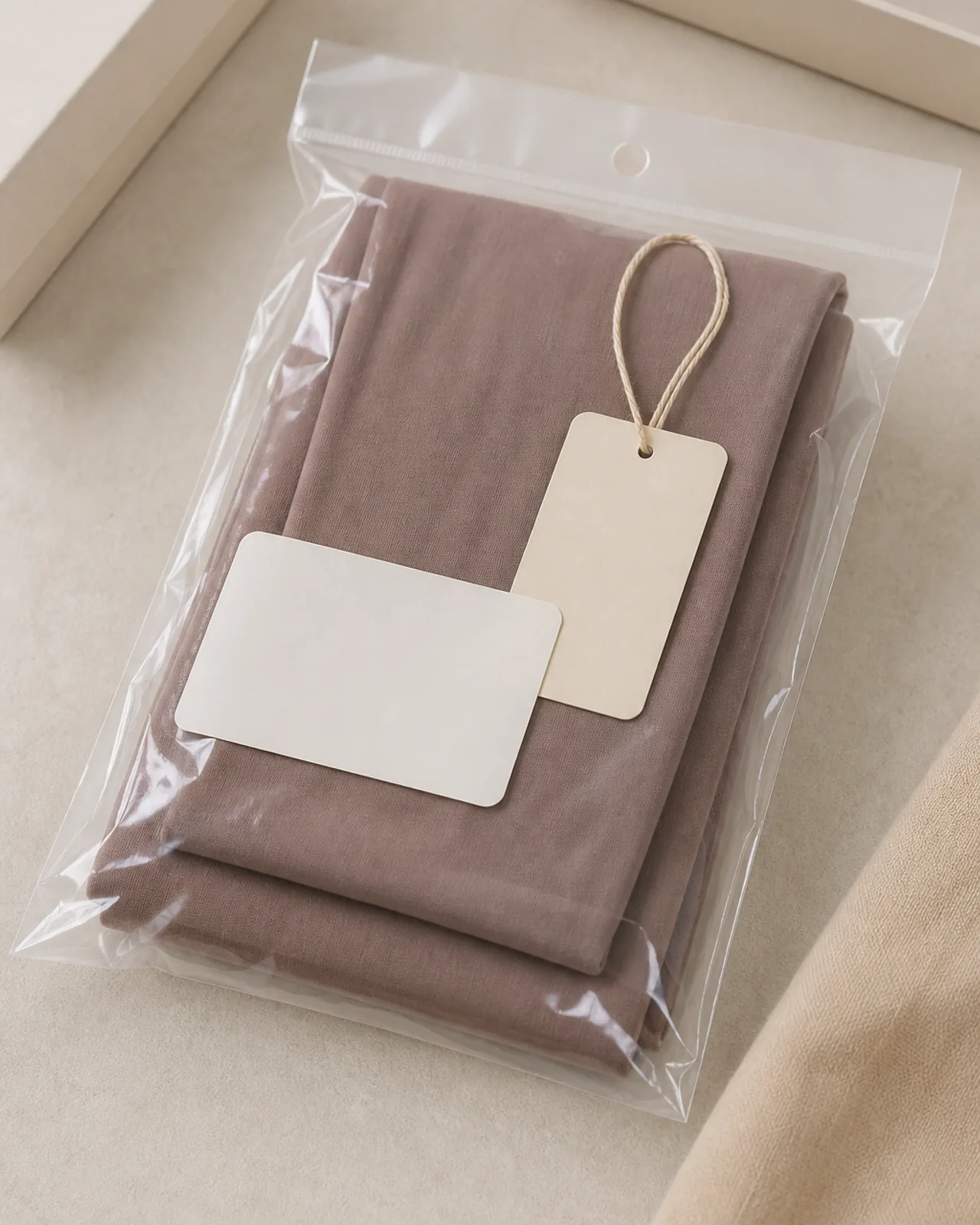
Because jersey is bought repeatedly, it is the hijab where a brand mark earns the most exposure. A woven label, a care label printed with the correct guidance for a knit, and packaging that states the colour and size are enough to make the product yours.
- Woven label and care label to your artwork
- Header card carrying your brand name with the shade printed beneath it
- Custom cut size for a signature shape
- Full scope on private label
Inspecting a knit product
Knit faults are permanent: a stretched seam or a needle hole cannot be pressed out. Inspection therefore happens on the finished piece before packing, with a stretch and recovery check rather than a visual look alone.
- Stretch and recovery check on a sample from each batch
- Edge check for curling, waviness and uneven finishing
- Needle damage, snags and holes checked across the whole panel
- Flat measurement against the agreed dimensions, taken unstretched
- Shade check piece to piece and batch to batch
Packing and shipping jersey hijabs
Jersey is heavier per piece than modal or chiffon and packs flat without much bulk, so it sits well in a mixed order. Folding and labelling are kept consistent so the retailer can sort a colour run without opening every bag.
- Folded to a consistent size, with the edge visible in the pack
- Poly bag as standard, with printed bags or header cards for retail display
- Shade and size marked on each pack during packing
- Consolidated with abayas and accessories on one wholesale shipment so the shipping cost per unit stays low
Specifications
| Fabric | Jersey |
|---|---|
| Composition | To be confirmed with your enquiry |
| Weight | To be confirmed with your enquiry |
| Color | Plain shades matched to your reference; prints developed from your artwork |
| Size | Cut dimensions agreed per order, since jersey sizing is sold differently in each market |
| Length | Confirmed per order as a measurement on the unstretched hijab |
| Sleeve | To be confirmed with your enquiry |
| Style | Stretch knit hijab, plain or printed, worn without pins |
| Decoration | Printing, or an embroidered corner mark on request |
| Closure | To be confirmed with your enquiry |
| Lining | To be confirmed with your enquiry |
| Packaging | Poly bag as standard; printed poly bag, header card or retail packing on request |
Wholesale Information
| MOQ | Contact us for current MOQ |
|---|---|
| Sample | Lead time depends on design and order quantity |
| Price Tier | Quoted per order; knit quality, print, colour count and quantity move it |
| Customization | Colour, print, cut size, edge finish, label, hang tag and packaging |
| Production | Lead time depends on design and order quantity |
| Packaging | Poly bag as standard; printed or retail-ready packing on request |
| Shipping | Consolidated shipment with packing list; terms and documents confirmed per destination |
OEM / ODM Options
- Custom Color
- Custom Size
- Custom Label
- Custom Hang Tag
- Custom Packaging
- Embroidery
- Beading
- Rhinestone
Quality Details
| Size tolerance | Measured flat and unstretched against the agreed cut dimensions, with relaxed measurements taken after stretching to check recovery |
|---|---|
| Stitching | Knit edges checked for skipped stitches, needle damage and stretching in the seam, since a stretched seam is a permanent fault |
| Fabric | Checked against the sealed reference for shade, hand feel, snags and knit density before cutting |
| Color inspection | Compared with the approved swatch under controlled lighting; print colour and registration checked against the approved artwork |
Frequently asked questions
No, it holds on its own, which is the main reason customers choose it. Styling is still up to the wearer, and product images should show how the hijab sits so expectations match what arrives.
Recovery depends on the knit quality, so the sample is stretched and relaxed before approval and the care guidance is written to suit. A hijab that is washed and dried as instructed holds its shape far better.
Yes, and prints sell well on this fabric because the knit surface gives colour depth. Artwork is printed on the actual knit at sample stage, since prints read differently on a stretch fabric than on cotton voile or chiffon.
It is widely used in hot climates because it is comfortable and stays in place, but the weight matters: a lighter knit behaves differently from a heavier one. Tell us the market and we will recommend a knit to match it.
Markets where hijab is worn daily and practically, and where customers want a garment that needs no pins. It is also a common first hijab for new customers, which makes it a useful entry product for a new boutique.
Planning your next modest fashion collection?
Tell us these seven things and we can come back with a workable sourcing plan instead of a price list.