Tall abaya sizing: length and sleeve for taller customers
Tall sizing is not one extra length added to a standard style. This page is written for the boutique owner, brand owner and wholesaler, and it explains the two numbers that decide whether an abaya reads as tall, and how to run tall alongside regular in one order.
What makes an abaya read as 'tall'
Two numbers decide it, and buyers usually only change one of them. The first is body length: how far the garment runs from the top reference to the hem, which decides where the hem falls. The second is sleeve length: how far the sleeve runs to the cuff, which decides whether the wrist is covered.
Change the body length alone and you get an abaya that reaches the floor with a sleeve ending above the wrist. Change the sleeve alone and you get a covered wrist with a hem that clears the ankle by too much. A tall style is both numbers, set against the market you are selling into.
- Body length decides the hem position
- Sleeve length decides the cuff position
- Tall customers normally need both, in different amounts
- Both are garment measurements and both go on the measurement sheet
Where the hem should fall
There is no universal answer, because hem position is a market decision. Some markets want an abaya that clears the floor and others want one that just brushes it; some customers want the ankle covered and others do not. The length number only makes sense once you have decided which of those you are selling.
The reliable method is to work from a garment that already fits your customer. Take that abaya, measure its length from a stated start point, and use that number as the starting point for your tall specification — then adjust for the hem position you want rather than for a height chart.
- Decide the hem position your market wants before choosing a length
- Use a garment that fits as the reference, not a height table
- State the start point for the length measurement on the sheet
- Measure front and back where the hem is not level
- Check the finished sample on a tall fit model before bulk
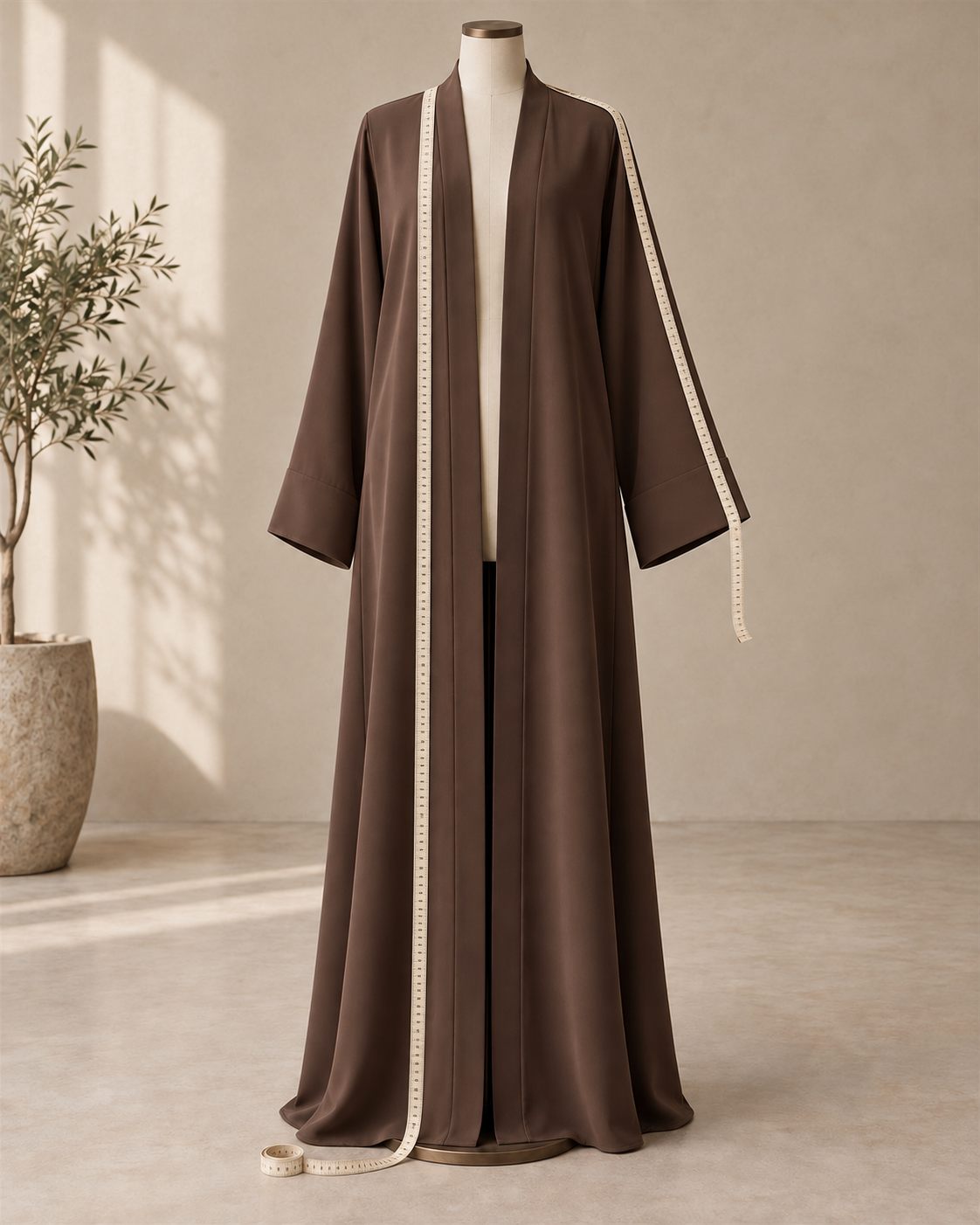
Sleeve length and cuff position
Sleeve length is the complaint that comes back most often from tall customers, and it is usually the fault of the pattern rather than the production. A sleeve developed on a standard base and lengthened at the cuff point often sits low on the arm, so the cuff opening lands in the wrong place even when the length is right.
The fix is to grade the sleeve from the shoulder and the sleeve head, and to record the cuff opening as its own measurement. Then the cuff position can be checked on the sample in the same way the length is.
- Record sleeve length and cuff opening as separate measurements
- Check the sleeve hanging from the shoulder, not measured flat on a table
- For a dropped-shoulder or kimono cut, state the reference point used for the sleeve
- Decide whether the cuff is plain, elasticated or shaped, and specify it
- Check the cuff on a tall fit model at sample approval
How to measure length and sleeve
Values are confirmed per style and per order. A tall run is developed against your reference garment and your market, so there is no universal length number to publish here.
Length and sleeve are the two points a tall range is judged on, so they should be measured and recorded the same way on every size in the run.
| Measurement point | How to measure it | Value |
|---|---|---|
| Garment length | From the stated top reference — high shoulder point or centre back neck — straight down to the hem. State which reference you used. | — |
| Abaya length | The headline length for the style, measured the same way on every size, front and back if the hem is not level. | — |
| Sleeve | From the stated start point along the outside of the sleeve to the cuff. Note whether it followed the curve or was measured straight. | — |
| Cuff opening | Across the sleeve opening, flat, relaxed and not stretched. | — |
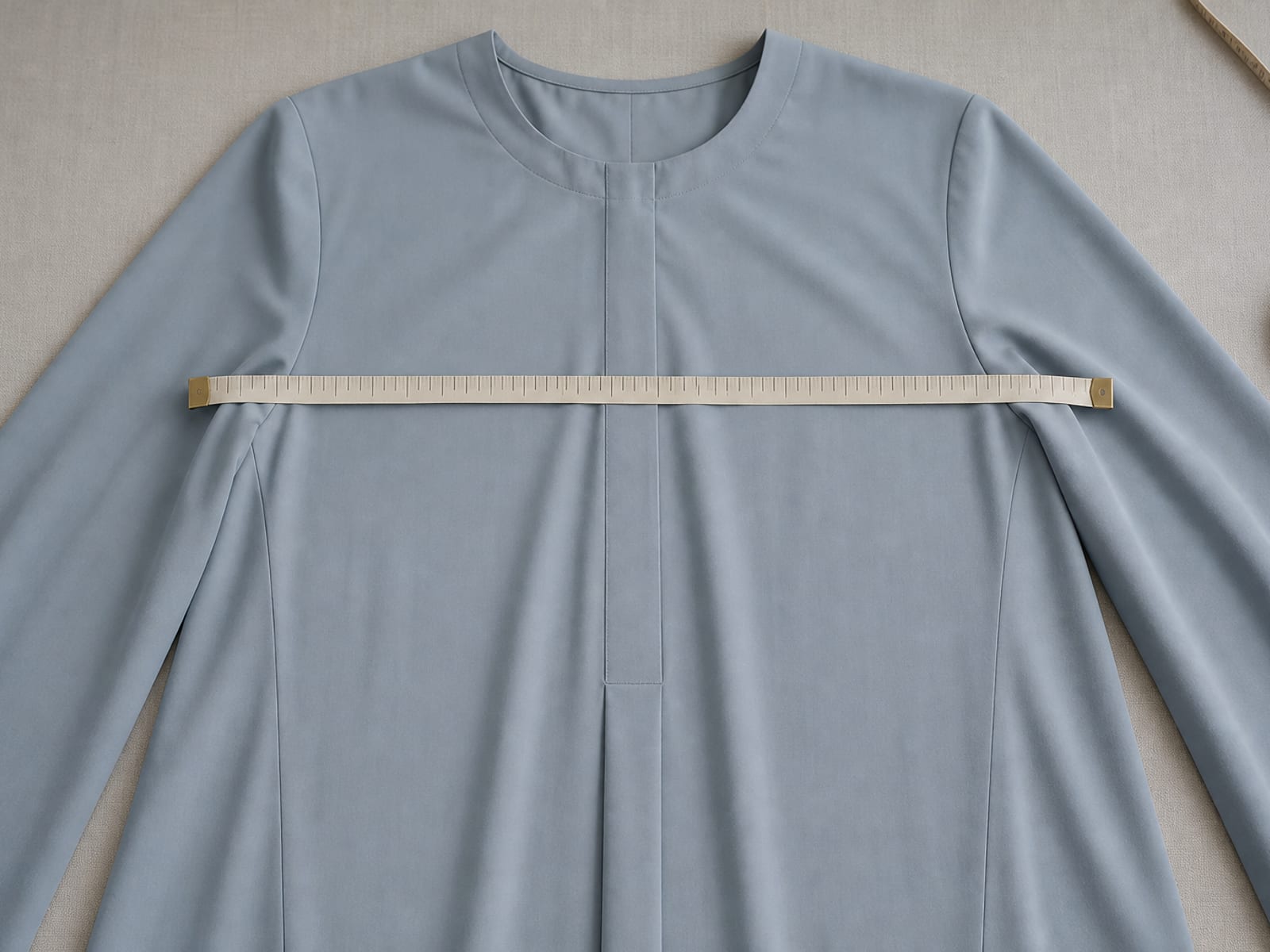
| Shoulder | Across the back, seam to seam, flat; on a dropped shoulder, state the armhole reference instead. | — |
| Bust | Flat and closed, seam to seam at the fullest point, then doubled. Record that it is doubled. | — |
| Sleeve width | Across the sleeve at the stated point below the armhole, flat. | — |
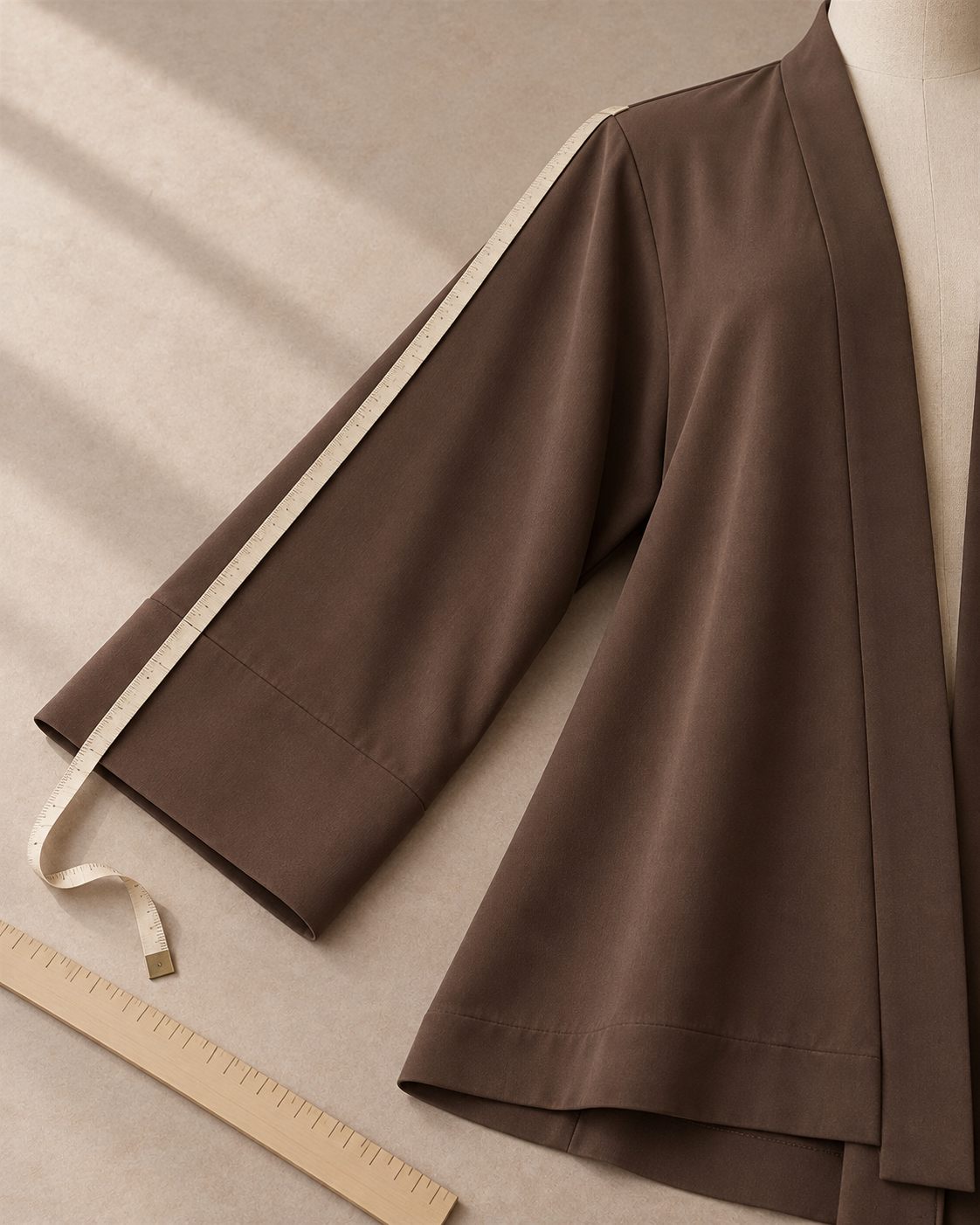
Should you order tall sizes by height?
No — order by garment measurement. Height is useful as guidance for the customer on a product page, and it is useful for a first estimate of where the hem will fall, but it cannot specify a garment. Two customers of the same height can need different bust, shoulder and sleeve measurements.
For wholesale, the working method is to set the tall run in garment measurements, publish a height band beside each length as guidance, and let the customer use the measurement that actually describes the garment.
The same applies to the letter code. S, M, L and XL are not equivalent between markets or suppliers, so no letter tells you how long a tall style is or where its cuff ends. Order by garment measurement and keep the letters as customer-facing labels.
Why tall is more than extra length
Adding length to a pattern is the easy part. The rest is proportion: where the waist falls, how deep the armhole is, how wide the sleeve is at the elbow, and where any decoration sits on the body. When only the length changes, those points drift and the garment looks like a longer version of something rather than a style cut for a taller frame.
| Point | If only the length is added | If the style is developed for tall |
|---|---|---|
| Hem position | Correct, if the length increment is right | Correct and checked against the market's hem preference |
| Cuff position | Ends above the wrist | Placed at the wrist, with the cuff opening specified |
| Waist and pocket position | Sits high on the body | Moved down with the body length |
| Decoration placement | Ends up in the wrong place on the body | Re-placed for the longer panel |
| Overall read | Looks like a longer garment | Looks like a style cut for the customer |
Running tall and regular lengths in one order
A tall run does not have to be a separate order. Because length is a specification separate from body size, a single order can carry regular and tall lengths across the same body sizes, with quantities set per length rather than per letter.
That is usually the simplest way for a boutique to test tall demand: add a small quantity of one or two tall lengths to an existing order, rather than committing to a separate tall collection before you know whether it sells.
- Set quantities by length, not only by body size
- Start with the one or two tall lengths your market asks for
- Keep the measurement sheet identical across lengths so bulk can be checked consistently
- Extend the tall options once you have sell-through data
Adapting tall sizing for different markets
Markets differ in average stature and in how much coverage the customer expects at the wrist and ankle, so a tall specification does not transfer between markets unchanged. What transfers is the method: reference garment, stated start points, agreed values, fit sample approved before bulk.
- Set the length from a reference garment in the destination market
- Confirm the wrist and ankle coverage your customers expect
- Check whether the market wants a tall run at all before investing in one
- Verify the fit sample in the destination market, not only at the factory
- Keep one measurement sheet so a single order can serve several markets
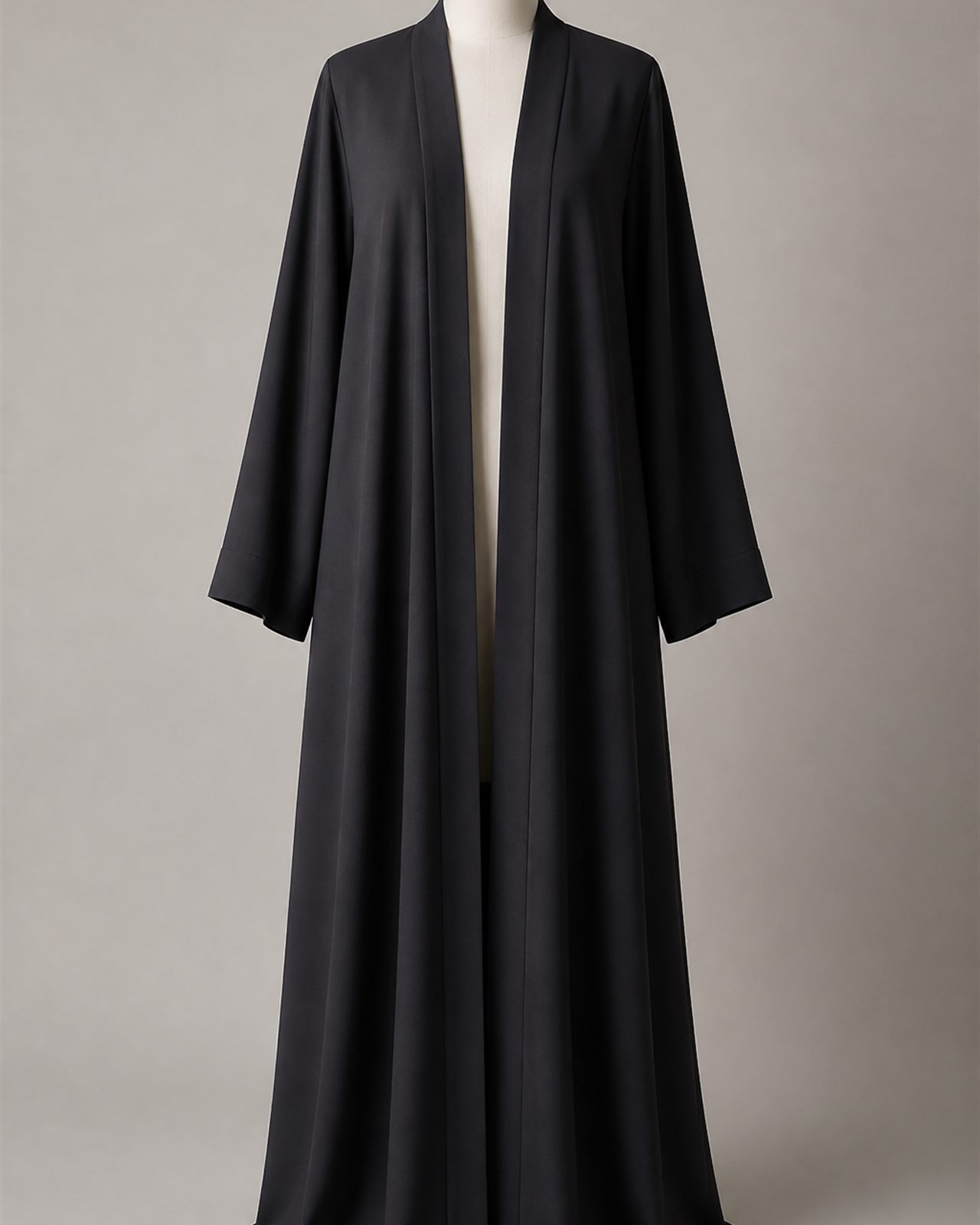
What we need from you to quote a tall run
MOQ: contact us for current MOQ. Lead time depends on design and order quantity. Tall lengths, sleeve measurements and tolerances are confirmed per style and per order.
The style or design, and the length you want it developed in.
A reference garment measurement if you have one that already fits your customers.
The destination market and the wrist and ankle coverage expected there.
The body sizes the tall lengths should cover, and quantities per length.
Whether the order is ready stock or made to order.
Frequently asked questions
There is no universal number. A tall abaya length is defined by your market and by a reference garment that already fits your customers, measured from a stated start point. What matters is that the hem lands where your customer wants it and that the sleeve reaches the wrist.
Usually the sleeve, and usually at the sleeve head as well as the cuff. Lengthening a sleeve at the cuff alone can make the cuff opening sit in the wrong place. Specify sleeve length and cuff opening as separate measurements, and check the sleeve hanging from the shoulder on a tall fit model.
Order by garment measurement. Height only tells you approximately where the hem will fall; it cannot specify bust, shoulder or sleeve. Use a height band as guidance on the product page, and give the customer the garment length as the actual specification.
Yes, and it is the usual way to test tall demand. Because length is a separate specification from body size, one order can carry regular and tall lengths across the same sizes, with quantities set per length. That avoids committing to a separate tall collection before you have sell-through data.
Tall lengths can be combined with a graded plus size pattern. Both are specification decisions, so send the body sizes you need, the tall lengths you want, and the market; the run is developed against that rather than from a standard set.
Work from a reference garment your customer already wears and measure its length from the same start point we use. Approve the sample on a tall fit model before bulk, and record the agreed length and tolerance on the measurement sheet so the delivered pieces can be checked.
Contact us for current MOQ. It depends on the style, the lengths, whether the item is ready stock or made to order, and how the order is combined across categories. Lead time depends on design and order quantity.
Planning your next modest fashion collection?
Tell us these seven things and we can come back with a workable sourcing plan instead of a price list.