Cotton voile fabric for tudung bawal and hijab ranges
Cotton voile is the traditional fabric behind the square tudung bawal, and it behaves quite differently from the knit and woven hijab fabrics sold beside it. This page explains the feel, the creasing, the printing and what to confirm per order.
What cotton voile feels like
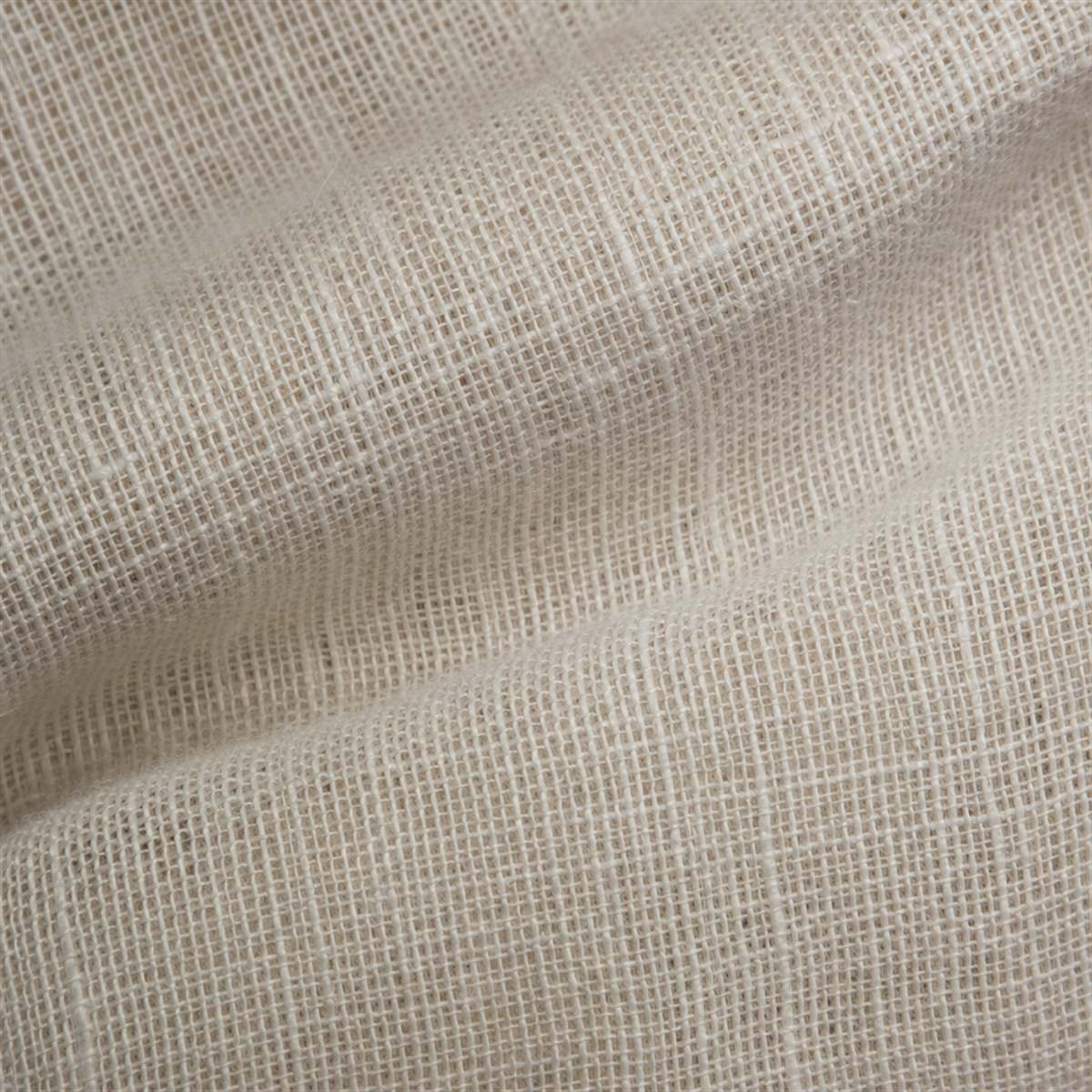
Cotton voile is a lightweight, plain-woven cotton cloth. It feels crisp and dry when it is new, with a slight body to it, and it softens noticeably after the first few washes. That stiffness is not a defect — it is what lets a square tudung hold a folded shape and stay put.
The fibre blend varies, and so does the finish and the weight. Some mill ranges are closer to a traditional bawal; others are lighter and closer to a fashion scarf. The difference matters more to your customer than the label on the roll.
- Crisp, dry hand with a slight body
- Softens with washing — the hand changes over the garment's life
- Holds a fold, which is what a square bawal depends on
- Blend, weight and finish vary by mill: confirmed per order
The twelve questions buyers ask about cotton voile
| Buyer question | Answer for cotton voile |
|---|---|
| What does it feel like? | Crisp and dry with a slight body when new, softening with washing. It feels natural and traditional rather than slick. |
| Is it breathable? | Yes, among the most breathable fabrics in the range. It is why bawal remains the everyday square hijab in humid markets. |
| Is it opaque? | At bawal weight, yes. A lighter voile can be semi-sheer, so if you are buying for coverage, confirm the weight band for your order rather than judging from a colour card. |
| Does it wrinkle? | Yes. Cotton voile creases and benefits from pressing before display. Plan for it in your packing and your retail presentation, and communicate it to the customer as normal for the fabric. |
| What season? | Hot and humid weather, year round in tropical markets. It is also worn for prayer and daily wear. |
| Best for which product? | Tudung bawal above all, then cotton hijab, prayer wear, and light modest tops where a natural hand is wanted. |
| Approximate weight range? | Supplied in a light to medium band depending on the end use. Weight and blend are confirmed per order. |
| How does it drape? | Light with a little structure. It holds a folded square and a defined edge instead of falling flat like a fluid woven. |
| Suitable for embroidery? | Yes. It is a traditional base for embroidery, and a light motif or a bordered edge reads well on the crisp surface. |
| Suitable for printing? | Yes, and printing is one of the main commercial uses: printed bawal is refreshed by season in most ranges. |
| Suitable for hot climate? | Yes. It is the traditional hot-climate choice and one of the most comfortable fabrics to wear in humid heat. |
| Suitable for premium collection? | Possible when the yarn, finishing and edge work are upgraded. Otherwise cotton voile is normally positioned as everyday and traditional rather than premium. |
Bawal cut and construction: what to agree before bulk
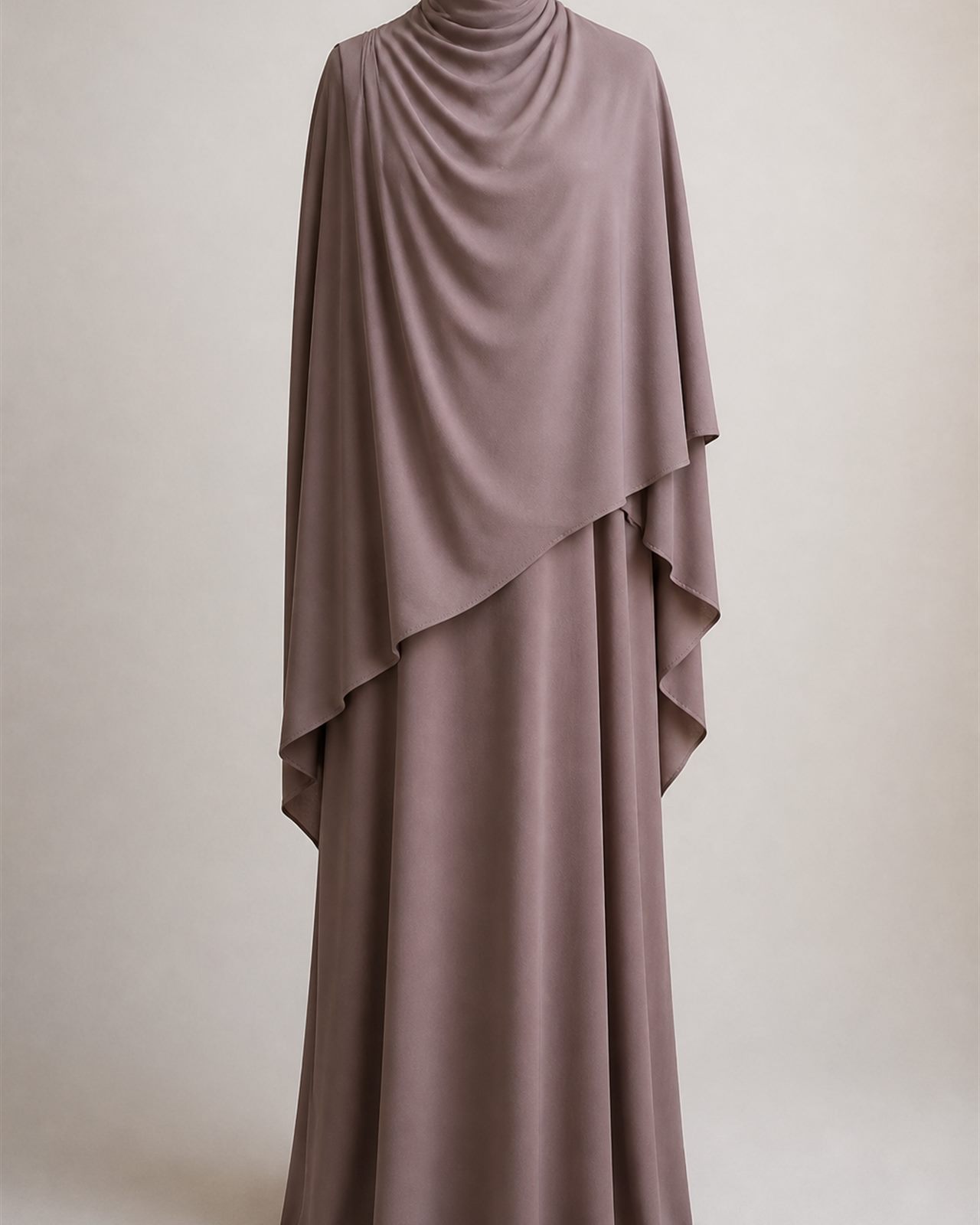
A tudung bawal is judged on details that are set before production starts: the finished square measurement, the nature of the edge, and how the corners behave after washing. These are construction decisions, and they belong in the sample approval step rather than in a complaint after delivery.
Because the fabric softens with washing, judging the finished piece straight off the machine is not enough. Agree the measurement method — flat and relaxed, before or after washing — and record it with the measurement sheet so bulk can be checked the same way.
- Finished square measurement and tolerance: agreed per order
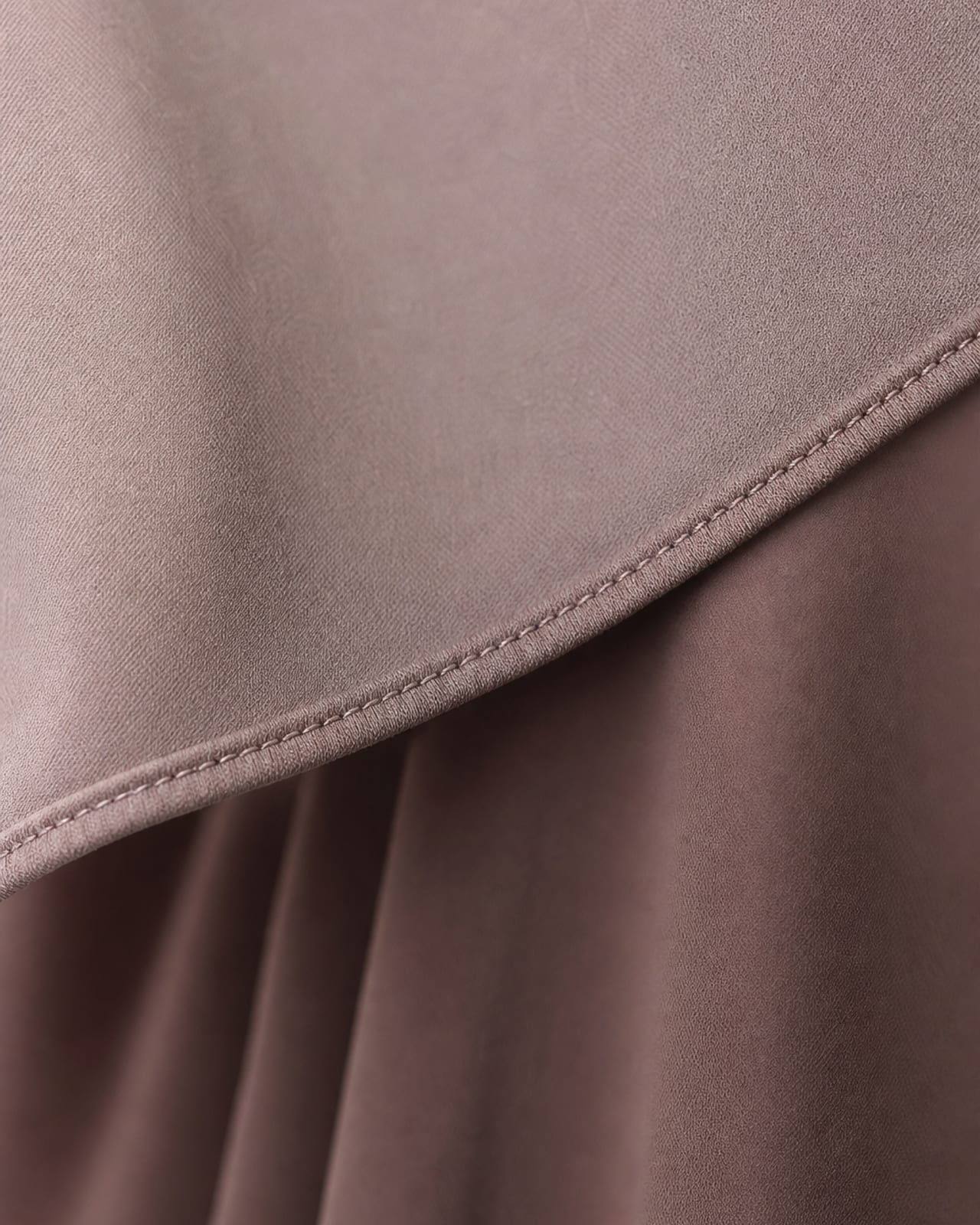
- Edge finish: stitched, rolled or hand-rolled to a defined width
- Corner behaviour: check after washing, not only before
- Measurement method: state flat-and-relaxed on the sheet
- Label placement: agree position so it does not show when worn
Weight, blend and what we confirm per order
Tell us the end use and the coverage your market expects and we confirm weight band, blend and width for your order in writing before sampling starts.
Cotton voile is defined by its weave and its lightness, and it is produced in a range of weights, blends and finishes. Printing, opacity and the finished square all depend on which one you buy, so weight and composition are confirmed per order rather than published as a single figure.
Which products buyers make in cotton voile
- Tudung bawal, plain and printed; see tudung bawal wholesale
- Cotton hijab in long rectangular and square cuts
- Prayer wear and prayer sets, including telekung-style pieces
- Matching mother and child sets in the same print
- Light modest tops and dresses where a natural hand is wanted
Printing, embroidery and decoration on cotton voile
Printing is the dominant decoration for bawal, and the crisp surface holds a clean print edge. Embroidery works too, particularly as a border or a corner motif, but heavy beading is unusual on a light square hijab and can weight the edge so that the piece no longer holds its fold.
- Printing: the leading use, refreshed by season
- Embroidery: suited to a border, a corner motif or a small monogram
- Lace and border trim: common, and must be agreed with the finished square
- Beading: keep it light or leave it out on a square hijab
- Colour: solid colour ranges sell alongside print, not instead of it
Season, climate and market fit
Cotton voile is a tropical and summer fabric, and its market is therefore concentrated in humid regions where bawal is part of daily dress. Selling it into a cooler market means treating it as a summer or travel piece rather than an everyday one, and adjusting the colour range accordingly.
- Tropical markets: the core everyday square hijab
- Ramadan and Eid: printed bawal as a seasonal and gifting piece
- Prayer wear ranges: natural hand and breathability
- Cooler markets: a summer and travel line rather than a core range
Premium positioning and price level
Cotton voile sits in the everyday, traditional tier in most ranges. The route upward is the finishing: a hand-rolled edge, a denser yarn, a better print and packaging that presents the piece as a considered purchase rather than a commodity square. What does not move it upward is a different label on the same cloth.
Sampling and ordering cotton voile
MOQ: contact us for current MOQ on the style you are considering. Lead time depends on design and order quantity, and fabric specification is confirmed per order.
Tell us the market, the print or plain direction and the price level.
Confirm the voile: weight band, blend, colour or print.
Agree the finished square measurement, edge finish and measurement method.
Approve the sample on the actual cloth, including wash behaviour.
Bulk production, inspection, pressing and packing to the approved sample.
Frequently asked questions
It is the traditional fabric for it. A bawal is a square that has to hold a fold and stay in place, and the crisp, slightly stiff hand of a voile is what makes that work. Check the weight band per order, because a lighter voile behaves more like a fashion scarf than a bawal.
It creases, and that is characteristic of the fabric rather than a fault. Plan for pressing before display and before packing, and set the expectation with your customer. Light steaming is usually enough for a square.
At bawal weight it covers. A very light voile can be semi-sheer in pale colours, so if coverage is the deciding factor in your market, ask for the weight band to be confirmed per order and approve a swatch against backlight.
Yes — printing is the usual way bawal ranges are differentiated by season. Each design goes through artwork approval and a sample before bulk, and the print is developed on the fabric you are actually ordering.
Cotton-based fabrics can move with the first wash, and the amount depends on the yarn, the finish and the washing method. Agree whether the finished square is measured before or after washing, record it on the measurement sheet, and repeat it when you check bulk.
Contact us for current MOQ. It depends on whether the piece is plain or a new print, ready stock or made to order, and how the order is combined across categories. Lead time depends on design and order quantity.
Planning your next modest fashion collection?
Tell us these seven things and we can come back with a workable sourcing plan instead of a price list.