Crepe fabric for wholesale abayas, dresses and sets
Crepe is the fabric buyers choose when the abaya has to look tailored rather than soft. This page explains what it feels like, how it holds a shape, what to confirm before sampling, and which styles it suits.
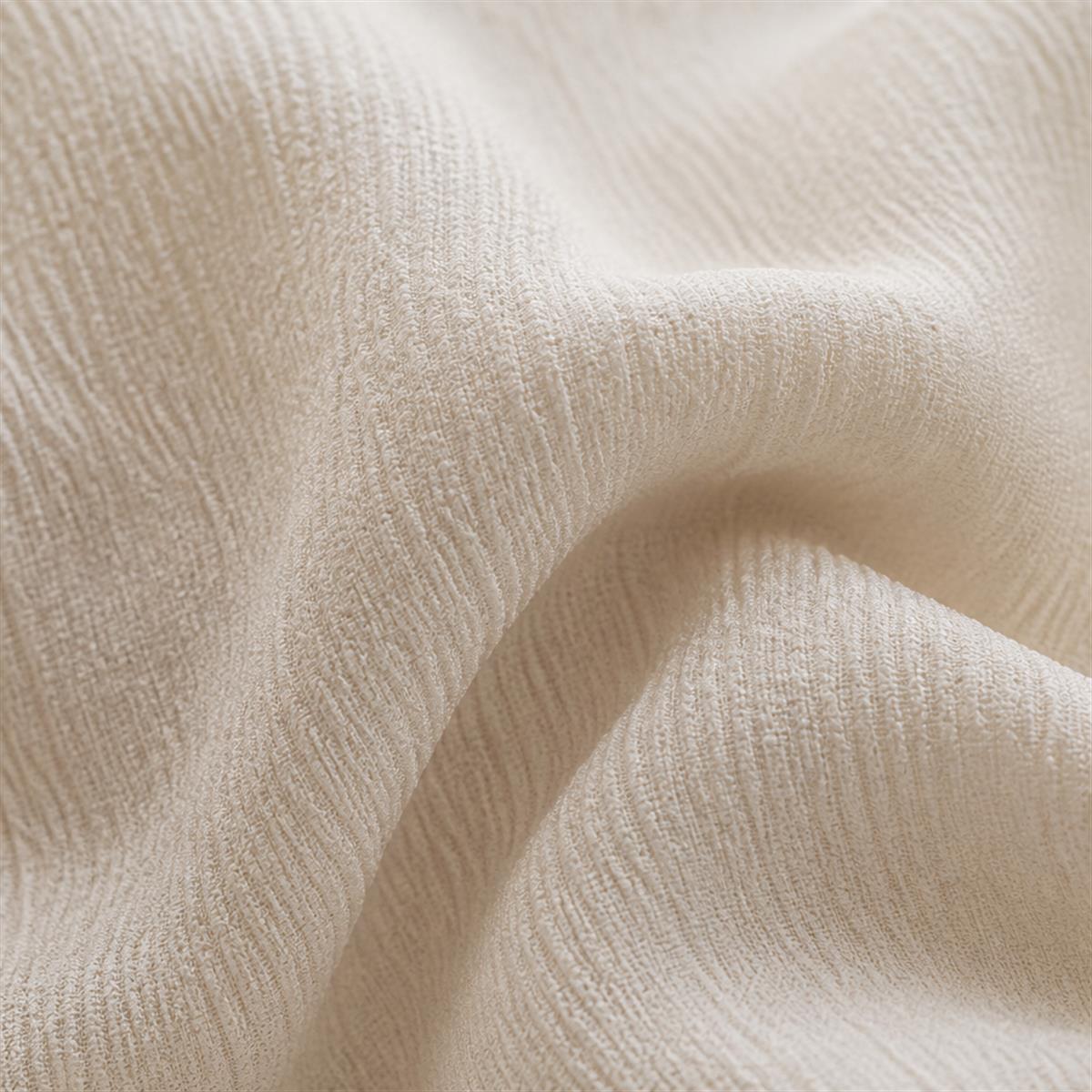
What crepe feels like
Crepe is defined by its surface, not by its fibre: the yarn or the weave is manipulated so the cloth comes out with a fine, faintly pebbled texture. In the hand it feels dry rather than slick, with a slight resilience that pushes back when you press it.
That texture is what a buyer is actually buying. It gives a garment a surface that hides small marks, reads as formal at a distance, and holds a shape without a lining.
- Dry, grained hand — it does not slide or cling
- Resilient: presses back into shape after folding
- Hides minor surface marks better than a smooth matte cloth
- Reads formal without decoration
The twelve questions buyers ask about crepe
| Buyer question | Answer for crepe |
|---|---|
| What does it feel like? | A fine, grained surface with a dry touch and a little bounce. It feels more substantial than chiffon and less smooth than satin. |
| Is it breathable? | Moderately. The texture holds a thin layer of air, so it feels less clingy in heat than a flat synthetic — but a lined crepe style is still warmer than an unlined one. |
| Is it opaque? | In garment weights, yes. Light crepes used for dresses can be semi-sheer, so confirm the weight if your style is a single layer. |
| Does it wrinkle? | Less than a flat woven in wear, more than nida. It recovers from handling well but holds a fold where it has been pressed, so pack carefully. |
| What season? | Year round. It carries formal and occasion ranges especially well, including Eid and wedding seasons. |
| Best for which product? | Formal and occasion abaya, modest dresses, two piece and three piece sets, wide-leg trousers. |
| Approximate weight range? | Supplied across a light to medium band depending on the mill and the end use. Gram weight is confirmed per order. |
| How does it drape? | With structure. It holds a line, so a shaped sleeve, a defined shoulder or a pleat stays visible — the opposite of nida. |
| Suitable for embroidery? | Yes, and it is a strong choice where the decoration should stand proud of the cloth. Placement must be marked carefully because the surface is textured. |
| Suitable for printing? | Yes, particularly on lighter weights and for printed dress and set ranges. Fine print detail is slightly softened by the grain. |
| Suitable for hot climate? | Workable in a light weight and a loose cut. For daily wear in the hottest markets, a plain matte fabric is usually the more comfortable choice. |
| Suitable for premium collection? | Yes. Crepe is normally positioned above everyday nida and below occasion satin, and it is often the fabric behind a tailored-looking premium set. |
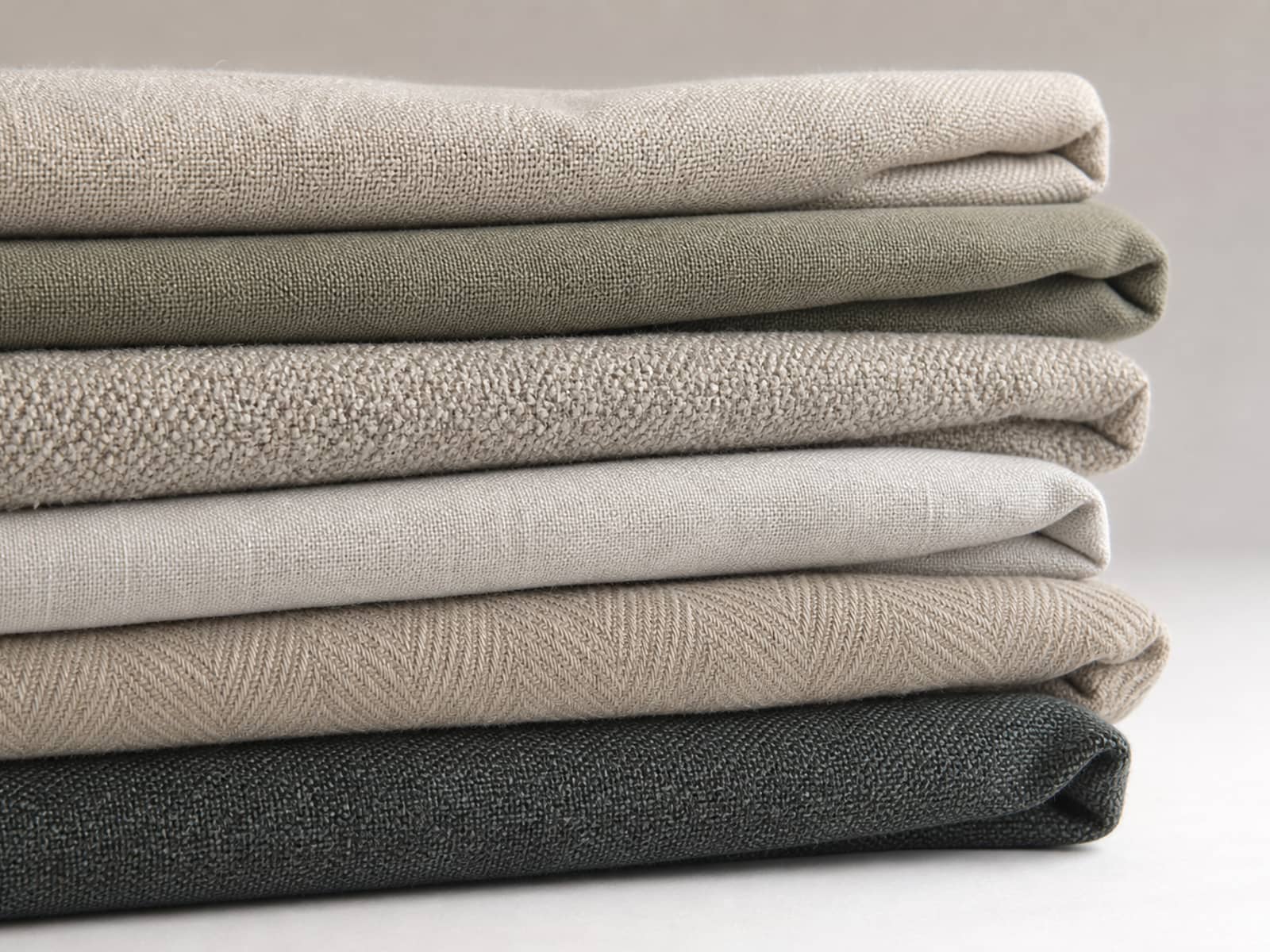
Weight, composition and what we confirm per order
Tell us the hand-feel you want — crisp or soft, matte or faintly lustrous — and we confirm the weight band and composition for your order before sampling.
Crepe is a construction, not a single material. The fibre behind it varies, the weight varies, and the amount of texture varies between mills. Publishing one number here would be misleading, so weight and composition are confirmed per order against the specification you ask for.
Structure: how crepe changes a pattern
Because crepe holds a shape, it shows pattern errors that a fluid fabric would hide. A shoulder that sits slightly wide, a sleeve head that is slightly flat, a hem that is not level — all of these are visible on a crepe abaya and invisible on nida.
The upside is that crepe rewards good pattern work. A well-cut crepe abaya looks more expensive than a nida abaya of the same construction, which is why buyers use it for the piece at the top of a range.
- Shaped sleeves and cuff detail: visible and worth doing
- Pleats, panels and seams: hold their line through wear
- Lining: add it where the style is single layer and the colour is pale
- Pressing: plan for a final press before packing, because crepe holds a fold
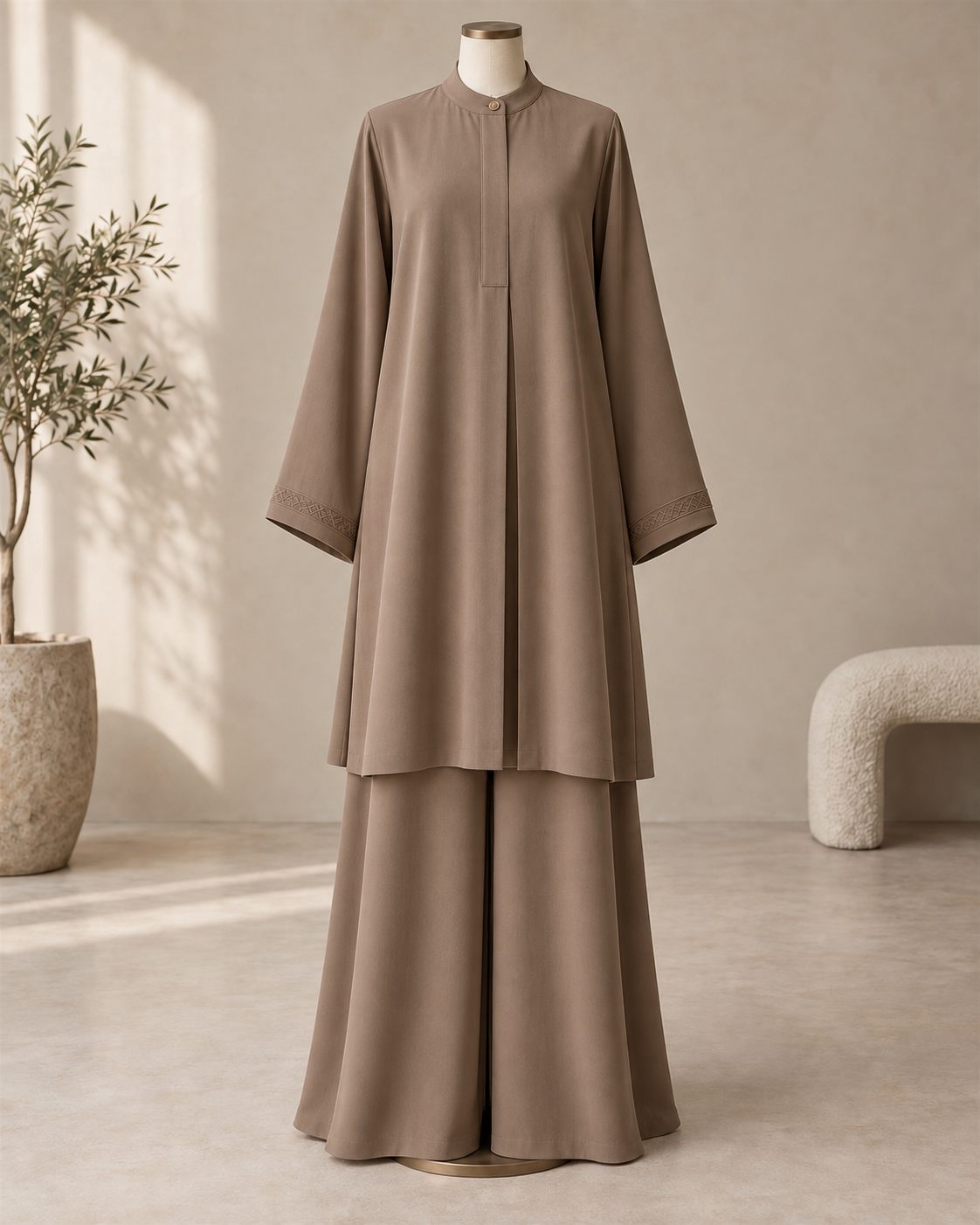
Which products buyers make in crepe
- Formal and occasion abaya — the structured drape suits a dressier brief; see wholesale abaya styles
- Everyday abaya — in a light weight, for buyers who want a less soft hand than nida
- Modest dresses — crepe holds a defined waist and skirt line
- Two piece and three piece sets — top and skirt behave consistently when cut from one roll
- Wide-leg trousers and tunic tops sold as separates
- Beaded and embroidered occasion pieces, where structure supports the decoration
Embroidery, printing and decoration on crepe
Crepe takes decoration well because it does not collapse under weight. Dense beading on a crepe panel stays flat; on a softer fabric the same panel can pull and distort. The trade-off is marking: pressing after decoration needs care, and a hot iron can flatten the texture permanently.
- Embroidery: suited to structured placement — cuffs, front panels, necklines
- Beading and rhinestone: supported by the fabric's body
- Printing: viable, most often on lighter weights
- Heat and pressing: agree the finishing method with the sample, not after bulk
Season, climate and market fit
Crepe's advantage is that it looks dressed up without a lining or heavy decoration, so it travels well into markets where formal wear drives the season — Ramadan, Eid and wedding buying. In hot, humid markets it works in a light weight; in cooler markets a medium weight carries the same style into autumn.
- Formal and occasion ranges: the strongest use
- Ramadan and Eid: crepe sets and dresses sell alongside nida abayas
- Hot climates: light weight, single layer, loose cut
- Cooler markets: medium weight, longer sleeve, layered styling
Premium positioning and price level
Crepe usually sits one step above everyday matte fabric and one step below satin in a buyer's ladder, but the gap is set by finishing rather than by the name of the cloth. A lined crepe set with a clean internal finish can carry a premium price; an unlined version of the same pattern usually cannot.
Sampling and ordering crepe
MOQ: contact us for current MOQ on the style you are considering. Lead time depends on design and order quantity, and fabric specification is confirmed per order.
Send the style, the market and the price level you are selling into.
Confirm the crepe: weight band, texture level and colour.
Confirm sizing using garment measurements, not letter codes alone.
Approve the sample on the actual crepe, including decoration and finishing.
Bulk production, inspection and packing to the approved sample.
Frequently asked questions
It depends on what the style is trying to do. Crepe holds a structured line and looks formal without decoration; nida falls fluidly and stays matte and low-care. Buyers usually run both: nida for volume and everyday styles, crepe for the dressier piece in the range.
It creases less than a flat woven in normal wear and recovers from handling well, but it holds a fold where it has been pressed or tightly packed. Plan a final press before packing and expect to steam garments on arrival.
Garment-weight crepe is opaque. Light crepes used for single-layer dresses can be semi-sheer in pale colours, so if your style is unlined, confirm the weight for your order and approve a swatch against backlight.
Yes. Its body supports dense beading and embroidery without the panel pulling out of shape. Agree the finishing and pressing method at sample stage, because a hot press on decorated crepe can flatten the texture permanently.
Contact us for current MOQ — it depends on the style, whether it is ready stock or made to order, and how the order is combined. Lead time depends on design and order quantity, so we confirm timing against your specific order.
Planning your next modest fashion collection?
Tell us these seven things and we can come back with a workable sourcing plan instead of a price list.